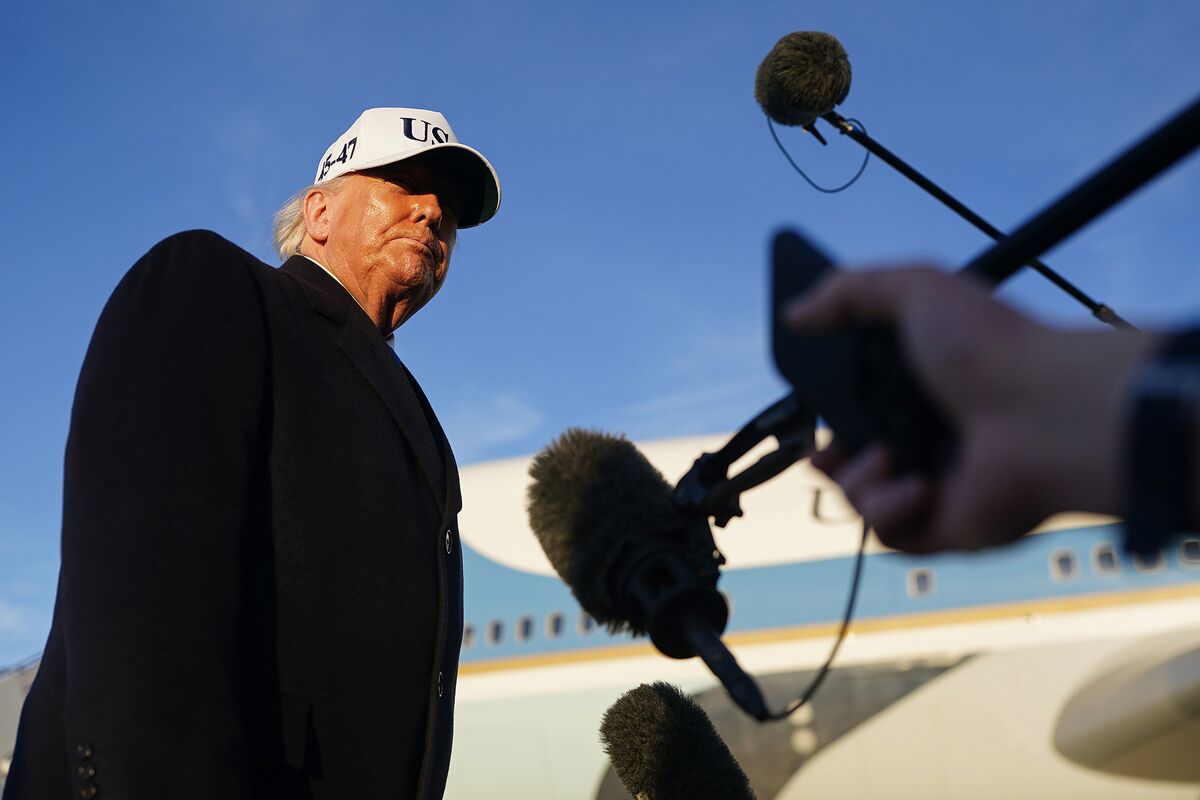
Week 3: the US‑Israeli war with Iran has entered its third week, concentrating pressure on President Donald Trump to find an exit but his shifting rationale is creating strategic ambiguity. Allies in Europe and the Gulf are reluctant to deepen involvement, Iran shows little willingness to de-escalate, and third parties such as Russia are positioned to benefit. For portfolios, expect elevated geopolitical risk premia — potential upside for defense names and safe‑haven assets, higher energy volatility, and increased downside risk for emerging‑market and regional exposures; consider hedges and shorter duration tactical positioning.
The immediate, durable winners are firms and sectors that monetize elevated geopolitical risk premia rather than the headline combatants — prime examples are large defense primes with secured backlog and vertical integration into missile/ISR systems, specialty insurers/reinsurers, and energy exporters who can re-route flows to capture basis. Second-order supply effects will show up in modular electronics and RF/microsystems suppliers (narrow-bench capacity, long lead-times) and in shipping/insurance routes that raise LNG and refined product freight differentials for 1–3 months.
Key tail risks are asymmetric: a rapid tactical escalation (proxy attacks on Gulf shipping or strikes on Iranian infrastructure) creates a 2–6 week shock to oil & shipping that boosts defense/energy more than financials, while a political de-escalation (diplomatic tranche or US political recalibration) can erase much of that premium in 4–12 weeks. A medium-term outcome (6–18 months) that matters more for corporate earnings is whether allied burden-sharing materializes — persistent US primacy in kinetic operations sustains defense earnings, whereas a transfer of costs to Gulf/EU states caps US defense upside but lifts NATO equipment suppliers.
The consensus miss is timing: markets tend to price either perpetual war or quick ceasefire; reality will be episodic headlines and supply-chain friction that benefit convex, short-dated option-like payoffs (defense order announcements, freight spikes) rather than linear buy-and-hold exposures. That argues for asymmetric, time-boxed trades sized to event windows (30–180 days) and active monitoring of diplomatic signals and shipping chokepoints as primary hedges.
AI-powered research, real-time alerts, and portfolio analytics for institutional investors.
Request DemoOverall Sentiment
moderately negative
Sentiment Score
-0.45
