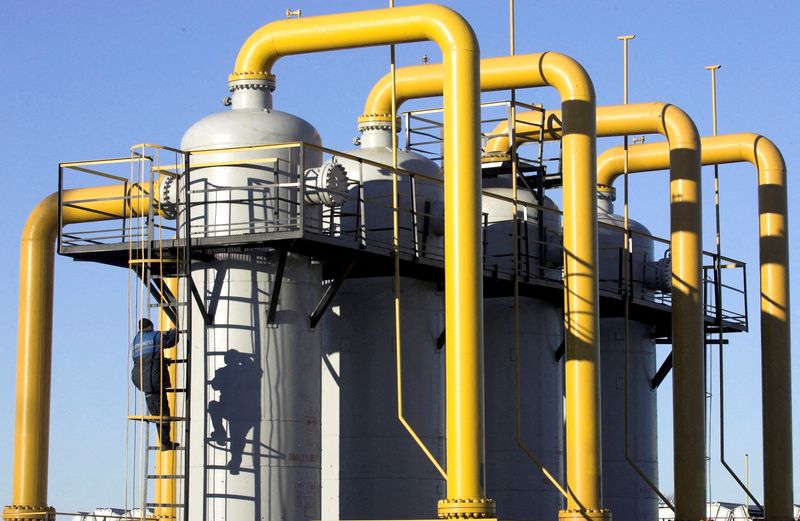
Closure of Ras Laffan pushed Dutch TTF natural gas futures up 16.6% to €62.26/MWh (intraday high €69.50) and US natural gas +5.4% to $3.36/MMBtu, continuing a 67% weekly surge in European gas. WTI crude vaulted back above $100/bbl as markets price a potential prolonged Middle East supply shock, driving global bond prices lower amid higher inflation and interest-rate risk. Low Western European gas storage ahead of winter raises the prospect of prolonged LNG supply-chain disruption and sustained energy-price volatility.
The immediate market response understates the mechanical reallocation of physical LNG flows: Asian buyers will outbid Europe for incremental cargoes, putting upward pressure on freight and charter rates and lengthening voyage cycles. That amplifies effective supply tightness beyond nominal production outages because each diverted cargo can take 2–4 weeks longer to recycle through the system, creating a persistent premium into the northern-hemisphere winter season.
Higher energy-driven inflation is already transmitting into bond markets via term-premium repricing and faster rate hike discounting in cross-asset risk models; this is non-linear—every step-up in oil/gas past break-even levels forces larger CPI revisions and raises the probability of policy pushback (SPR releases, caps) within 30–90 days. Credit differentiation will widen: low-leverage LNG exporters and integrated majors can lock-in margins via long-term contracts, while European corporates with heavy short-term gas exposure will see earnings and cashflow volatility spike.
Key catalysts and reversals are binary and time-sensitive. A successful restart of major LNG capacity or a coordinated SPR release can compress spreads within weeks, but damage to shipping (insurers refusing certain Suez/MENA lanes) or prolonged supply-chain friction would keep the premium for months. Watch seasonal storage refill receipts and the pace of US LNG commissioning—if US cargo growth exceeds ~0.5–1.0 Bcf/d per month, the market can rebalance into late Q1, but absent that the winter spread is likely to remain elevated.
Consensus is focused on headline price moves; the actionable edge is to trade the frictions around logistics and term structure, not just spot. Instruments that isolate charter-rate exposure, winter calendar spreads, and inflation-linked macro hedges give cleaner payoff profiles than outright commodities longs versus owning upstream equities with execution and regulatory risk.
AI-powered research, real-time alerts, and portfolio analytics for institutional investors.
Request DemoOverall Sentiment
strongly negative
Sentiment Score
-0.55
