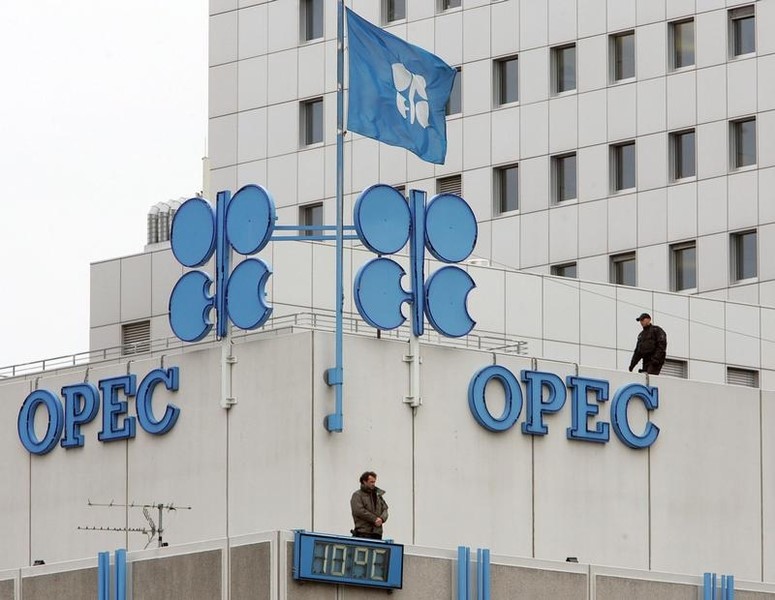
OPEC+ is set to ratify a modest June quota increase of 188,000 barrels a day despite the UAE’s exit, signaling an effort to preserve cohesion after a major internal split. Brent settled near $108 a barrel, while the ongoing Strait of Hormuz closure and Iran conflict continue to drive the largest supply disruption in history. The article points to elevated energy prices and rising demand destruction risk as inventories tighten.
The market is still treating this as a supply headline, but the bigger signal is regime fragility: once a cartel starts managing optics over adherence, the marginal impact of quota announcements drops and volatility rises. That tends to steepen the prompt curve first, then leak into deferred contracts as participants price a higher probability of unplanned outages, quota cheating, and political intervention. In other words, this is less about one modest June adjustment and more about the market re-rating the reliability of global spare capacity.
The near-term winners are the obvious energy producers, but the second-order beneficiary is the volatility complex. If physical constraints eventually ease while cohesion weakens, the price path becomes more jagged, which supports oil call structures, energy-vol ETFs, and refiners with optionality on crack spreads rather than simple outright crude longs. Conversely, airlines, trucking, chemicals, and broad industrials are vulnerable not just to higher input costs, but to margin compression from lagged pass-through right as consumer demand softens.
The contrarian setup is that headlines may be overestimating the permanence of the disruption: any credible de-escalation in the Gulf or restoration of shipping lanes would unwind a meaningful risk premium quickly, because current prices already embed a lot of stress. The other overlooked risk is policy response: if gasoline stays elevated for several weeks, reserve releases, diplomacy, or demand-side destruction can cap the upside faster than producer discipline can sustain it. The key time horizon is days to weeks for geopolitics, but 2-4 quarters for the demand destruction feedback loop to show up in earnings revisions.
AI-powered research, real-time alerts, and portfolio analytics for institutional investors.
Overall Sentiment
mildly negative
Sentiment Score
-0.15
Ticker Sentiment
