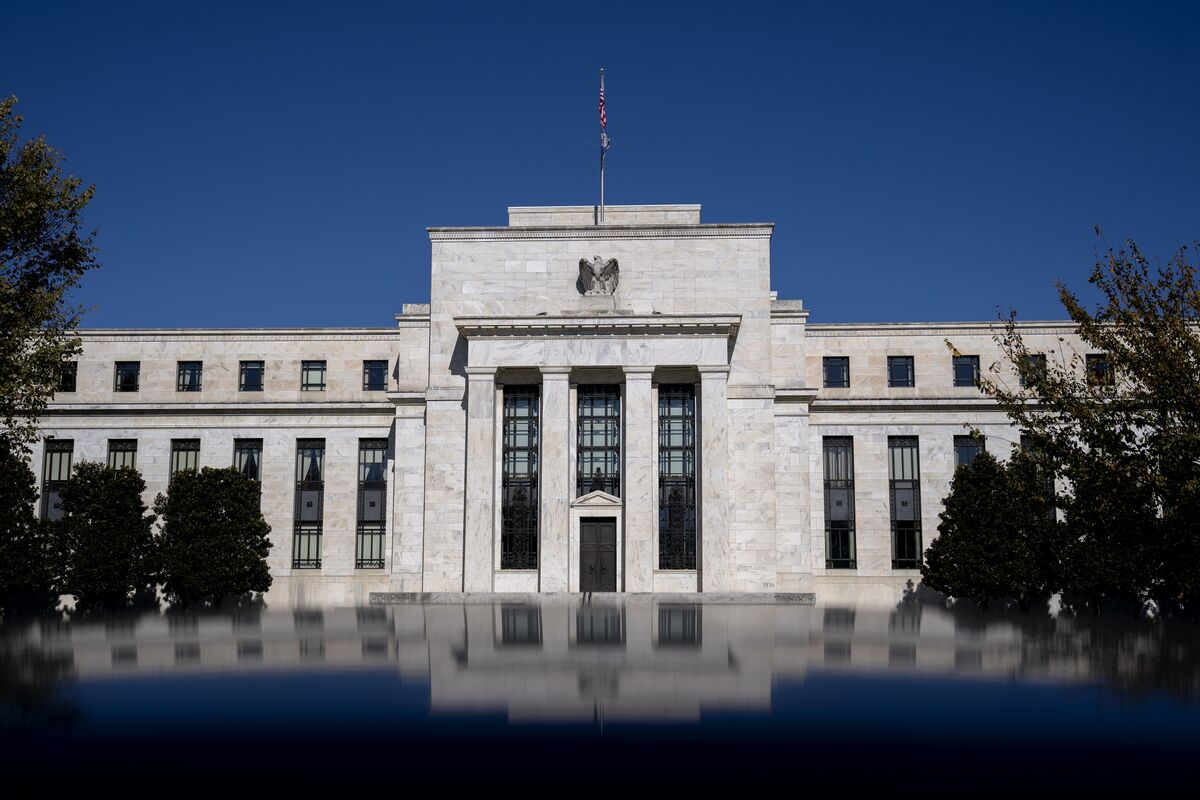
The Federal Reserve said stability risks tied to additional private credit redemption requests are "limited and manageable," even as outflows from private credit funds modestly exceeded inflows in Q1 2026. The report noted that some of the largest managers have blocked investor withdrawals in recent months, but the Fed characterized redemption requests as manageable rather than systemic.
The key read-through is not that private credit is “fine,” but that regulators are implicitly validating a slower-moving liquidity regime where redemption pressure can be absorbed only if second-order funding channels remain open. That favors the largest platforms with sticky capital, strong fund-formation engines, and access to bank or insurance balance sheets; it hurts smaller managers that rely on continuous inflows to refinance exits and meet denominator-driven allocators. The competitive edge increasingly shifts from pure underwriting to capital structure engineering and distribution reach.
The near-term risk is a lagged confidence shock rather than a mark-to-market event. If redemption gates become normalized, allocators may preemptively rotate toward public leveraged credit, investment-grade, or direct syndicated loans, creating a 3-9 month slowdown in private credit fundraising and a wider dispersion in loan pricing. That would pressure originators, specialty finance platforms, and feeder vehicles before it shows up in reported defaults.
The contrarian view is that “manageable” may be code for “contained until the next macro shock.” Private credit is less about current outflows than about the next recessionary impulse, where cash flow stress and valuation opacity interact. If rates stay higher for longer, the real fragility is in refinancing, not redemptions: assets that were underwritten to benign exit assumptions could face spread widening, extension risk, and more frequent amendment income, which looks stable until it isn’t.
AI-powered research, real-time alerts, and portfolio analytics for institutional investors.
Overall Sentiment
neutral
Sentiment Score
0.05
