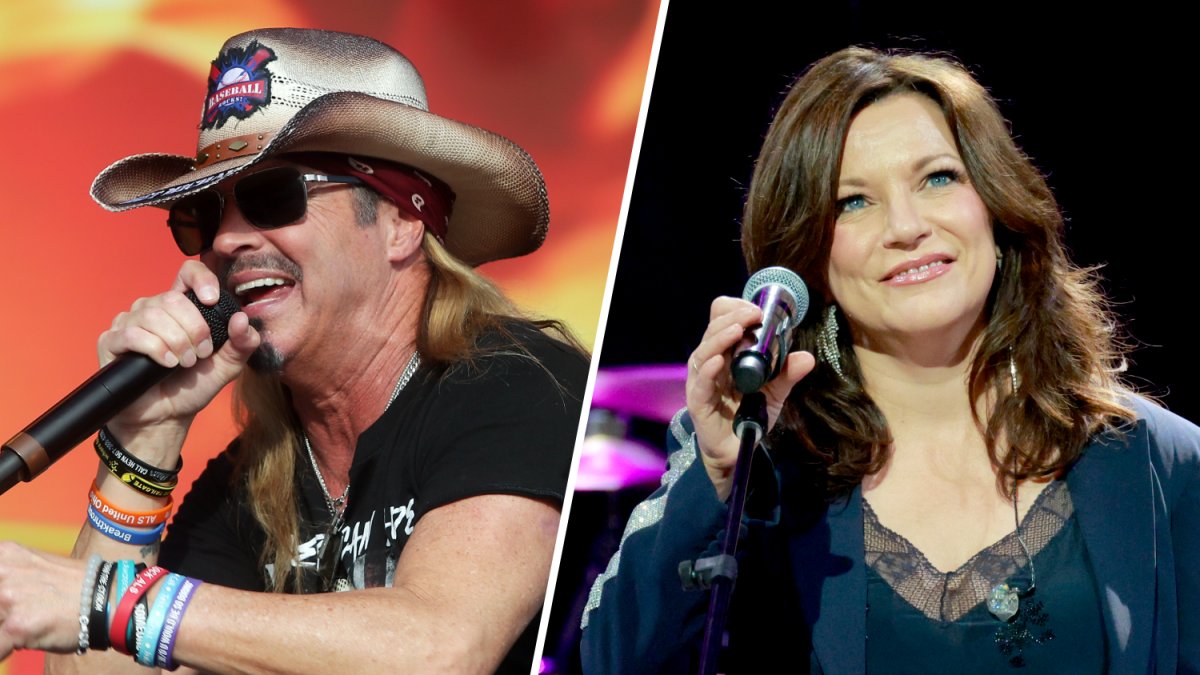
Several scheduled performers, including Young MC, Morris Day, the Commodores, Martina McBride and Bret Michaels, have canceled appearances at Freedom 250’s Great American State Fair on the National Mall. The event, tied to Trump-affiliated Freedom 250 and the 250th anniversary celebration, is facing scrutiny over whether it is truly nonpartisan. The article is mostly an entertainment/political-event update with limited direct market relevance.
The cancellation wave is a signal that the event’s economic model is deteriorating faster than its publicity value can compensate. For any sponsor or organizer tied to the lineup, the first-order loss is not ticket demand but credibility: once the booking ecosystem decides the project is politically radioactive, replacement costs rise sharply and remaining artists gain leverage to renegotiate or exit. That dynamic tends to compress the achievable audience from a broad nostalgia crowd into a narrower, more ideologically sorted base, which lowers monetization per attendee and increases security/production costs.
The second-order effect is reputational contagion across adjacent live-event businesses. Talent agencies, promoters, and venue operators will likely become more cautious about anything branded as “nonpartisan” but with obvious political ownership, which can slow deal velocity in Washington and other politically sensitive markets over the next 1-2 quarters. The real risk is that the event becomes a negative case study for sponsor diligence: brands that were willing to tolerate political ambiguity may now require stronger contractual disclosure, clawbacks, and morality clauses, which shifts bargaining power away from event organizers.
From a markets perspective, this is a governance and execution story rather than a consumer-demand story. The best trade is to fade names exposed to politically motivated live-event backlash only if they have measurable sponsorship or touring dependence; otherwise the move is mostly sentiment noise. The contrarian read is that controversy can still sell tickets and drive earned media, so unless more marquee acts exit or a sponsor pulls funding, the financial damage may remain modest and short-lived. The actionable watchpoint is whether cancellations extend beyond a few days; if they do, that indicates deeper underwriting failure and raises the probability of budget overruns and underattendance.
AI-powered research, real-time alerts, and portfolio analytics for institutional investors.
Request DemoOverall Sentiment
neutral
Sentiment Score
-0.10
