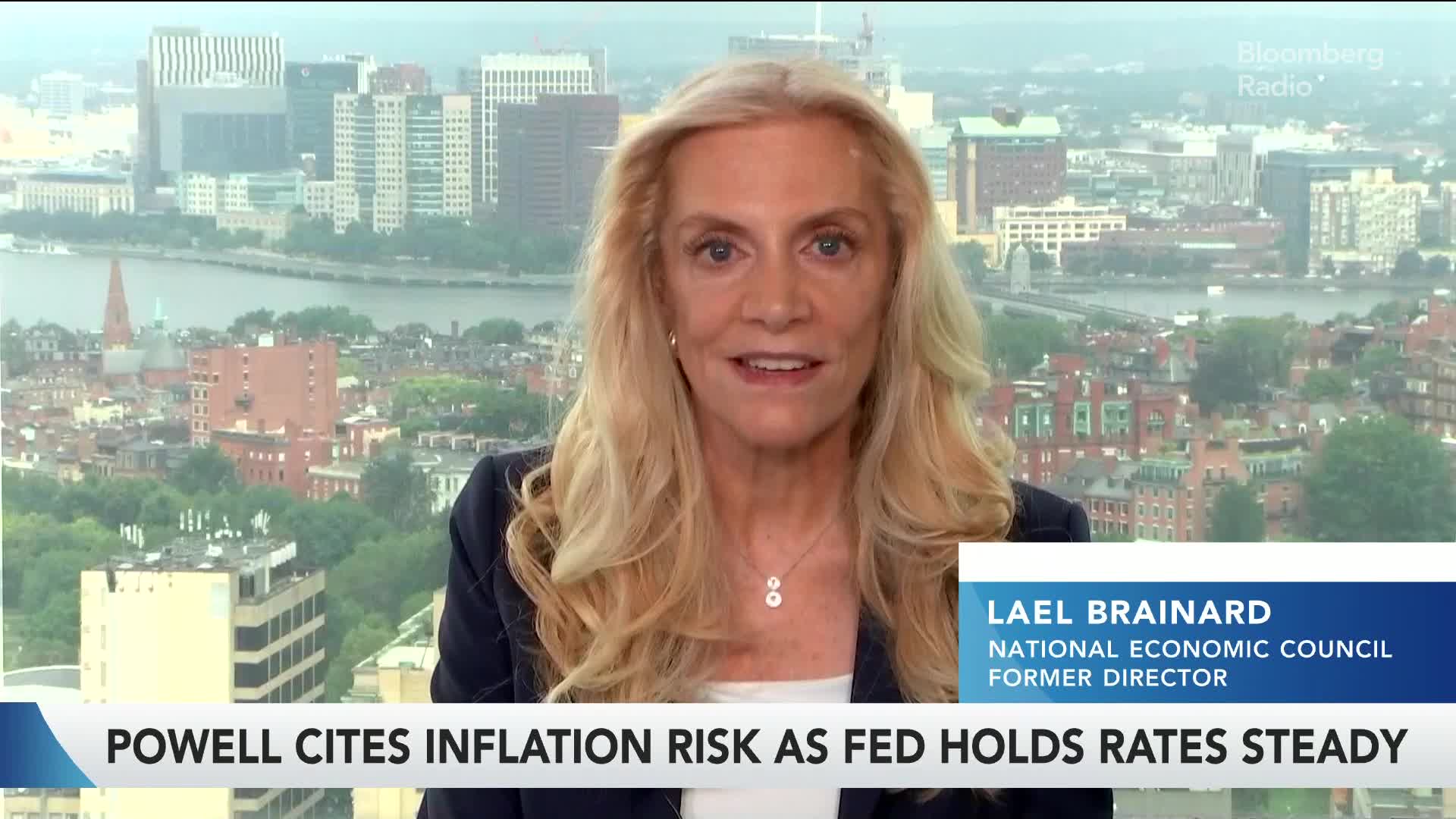
The Federal Reserve's preferred inflation gauge, the core Personal Consumption Expenditures (PCE) price index, increased 0.3% in June and 2.8% annually, signaling limited progress in taming inflation. This rise, which former NEC Director Lael Brainard characterized as "heading in the wrong direction," occurred as inflation-adjusted consumer spending only marginally increased after a May decline, underscoring the divergent economic signals complicating the path for interest rate policy.
The latest core Personal Consumption Expenditures (PCE) data presents a challenging macroeconomic picture, indicating a re-acceleration in underlying inflation. A 0.3% month-over-month increase and a 2.8% annual rate for the Fed's preferred inflation gauge signal that disinflationary progress has stalled, a view reinforced by former NEC Director Lael Brainard's assessment that the trend is 'heading in the wrong direction.' This persistent inflation is contrasted sharply with signs of consumer weakness, as inflation-adjusted spending barely registered an increase following a decline in the prior month. This divergence creates a significant policy dilemma for the Federal Reserve, caught between the need to address sticky inflation and the risk of exacerbating an economic slowdown, thereby heightening uncertainty over the future path of interest rates.
AI-powered research, real-time alerts, and portfolio analytics for institutional investors.
Request DemoOverall Sentiment
strongly negative
Sentiment Score
-0.60
