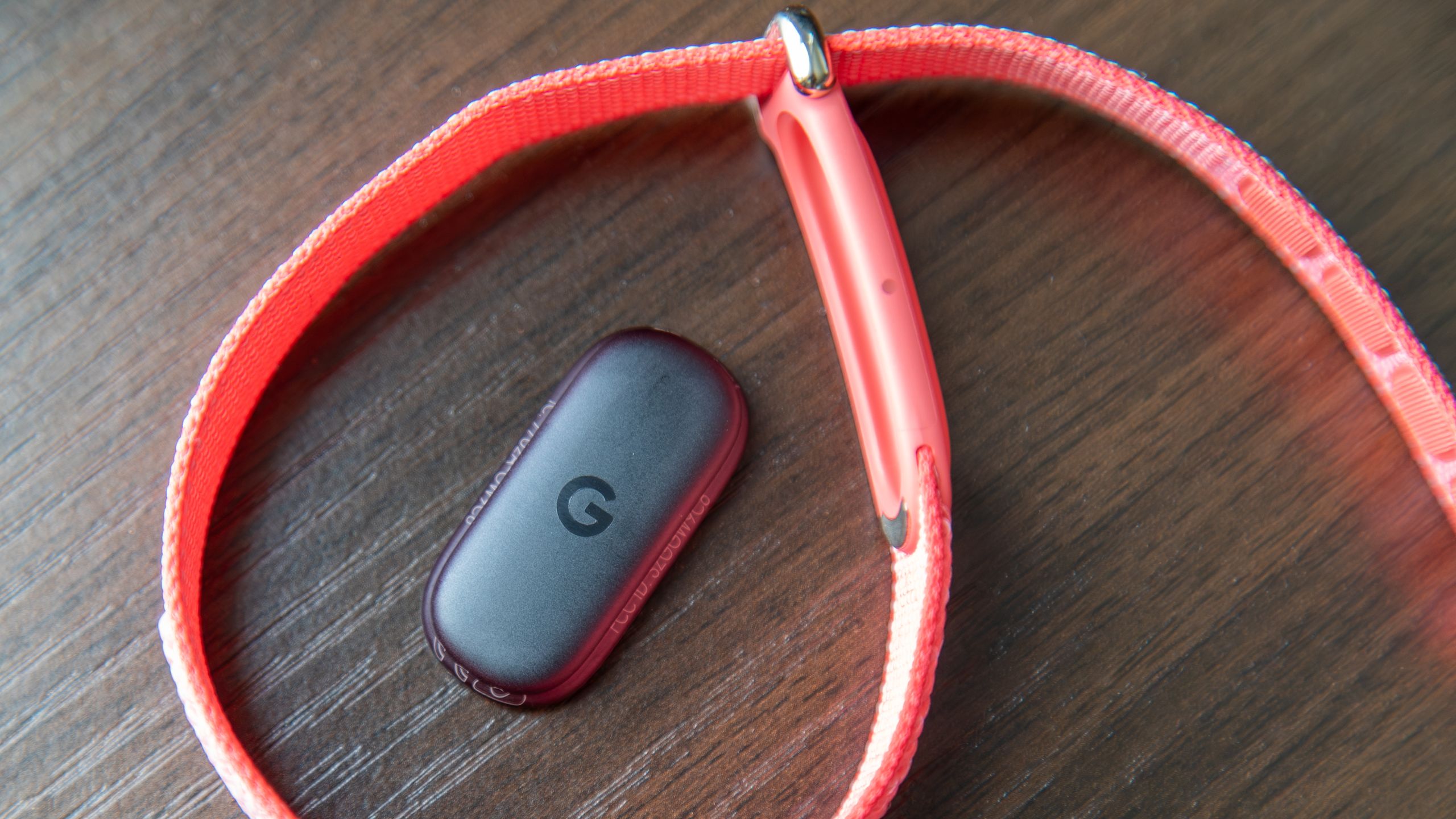
Google's Fitbit Air launch is facing early pairing and update issues for some Android users, with devices reportedly stuck in an update loop until the rebranded Google Health app rollout completes. Google said it is accelerating the Android app update, while iOS users can already download the updated Fitbit app via the App Store. The issue is a minor launch headwind rather than a material financial event.
GOOGL’s near-term issue is not product quality so much as launch execution, and that distinction matters: when a wearable depends on an app-layer migration, any mismatch between device distribution and software rollout can create a temporary demand air pocket that looks worse on social media than it is in the P&L. The economic hit is likely modest, but the reputational cost is asymmetric because first-week adoption for a $99 device is heavily driven by impulse and word-of-mouth; a bad opening can suppress conversion for several weeks even after the fix ships.
The bigger second-order effect is channel trust. If early buyers perceive that Android is the “late” platform for a Google hardware launch, it reinforces a recurring market narrative that Google’s product launches are technically strong but operationally sloppy. That can bleed into broader Pixel/Fitbit attach rates and reduce willingness to pre-order future hardware, which is more important than any one wearable SKU’s revenue. For AAPL, the only subtle positive is that iOS users are reminded that Apple’s ecosystem tends to make same-day setup friction lower, which supports premium-device stickiness at the margin.
Contrarianly, this is probably a transitory issue rather than a thesis-breaker for GOOGL. If the rollout is accelerated within days, the stock impact should fade quickly because the addressable revenue at risk is small; the real variable is whether support calls, returns, and negative reviews persist long enough to alter review scores and search/social sentiment over the next 2-6 weeks. RDDT is a neutral beneficiary at most: the thread activity may briefly lift engagement, but this is not the kind of controversy that sustains incremental traffic for long.
The risk case for GOOGL is not unit economics, but a pattern of hardware ecosystem friction compounding across launches; if that becomes a multi-product issue, the market may start discounting the consumer hardware layer more aggressively. If this resolves cleanly, the downside is probably contained to a few hundred bps of launch-week sentiment, making the dip more interesting as a trading event than an investment event.
AI-powered research, real-time alerts, and portfolio analytics for institutional investors.
Request DemoOverall Sentiment
mildly negative
Sentiment Score
-0.25
Ticker Sentiment
