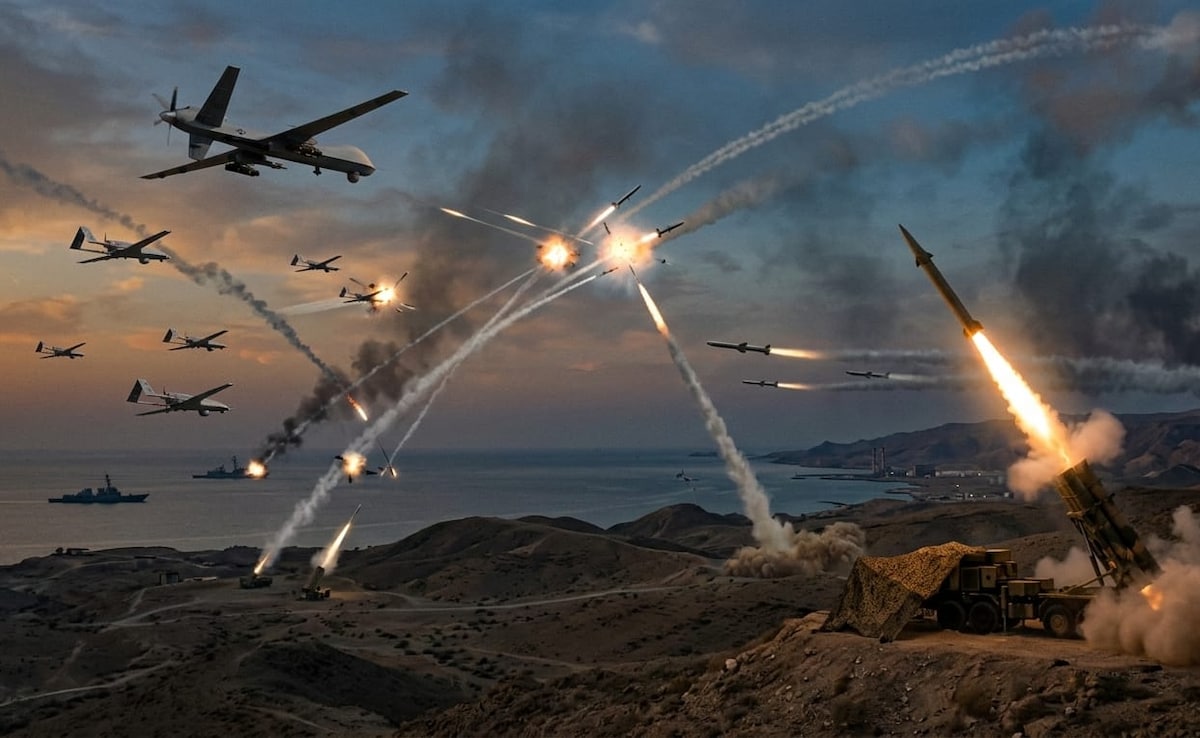
Operation Sindoor highlighted India’s shift to precision, system-of-systems warfare, including drones, loitering munitions, SEAD, and integrated air strikes on multiple Pakistani air bases such as Rafiqui, Murid, Nur Khan, and Rahim Yar Khan. The operation’s aftermath accelerated India’s defense buildout: registered drones reached 38,575, approval steps fell from 72 to 4, and the FY27 defense budget rose 15.2% to Rs 7.85 lakh crore with over Rs 1.11 lakh crore for domestic procurement. The article frames this as a structural boost for India’s defense-tech ecosystem, including indigenous systems like the ALS-50, Akashteer, Akash, BrahMos, and a rapidly expanding startup base.
The marketable takeaway is not the tactical event itself, but the proof-of-concept for a repeatable procurement cycle: live battlefield validation now appears to be compressing India’s defense adoption curve from years to months. That should disproportionately benefit firms with software-defined, modular, and field-upgradable systems because they can iterate with the services faster than legacy platform primes. The second-order winner is the domestic component ecosystem—seekers, EO/IR payloads, secure datalinks, batteries, motors, and command software—because every new drone or loitering munition platform creates recurring content demand rather than one-off platform revenue.
The more important competitive dynamic is that this shifts value away from large-ticket manned platforms toward the kill chain: ISR, targeting, EW resilience, and counter-UAS. That is a structural margin-positive mix change for niche suppliers, but it also raises execution risk for incumbents whose legacy avionics and artillery programs may face budget crowd-out if counter-drone, air defense networking, and autonomous systems keep absorbing share of the defense capex pie. The fastest beneficiaries are likely to be companies with production capacity already in place, because the primary bottleneck is no longer concept validation but scale, qualification, and supply assurance.
A key contrarian risk is that the current enthusiasm may overestimate near-term revenue conversion. Government interest can spike after live conflict, but procurement can still lag 2-4 quarters because of testing, certification, and industrialization constraints; that creates a classic “headline-to-P&L” gap. The bigger tail risk is export controls or tighter regulatory scrutiny if the state becomes concerned about proliferation of dual-use autonomous systems, which could cap the growth multiple even as domestic demand remains strong.
From a strategy perspective, this is a better expression through picks-and-shovels than through broad defense baskets. The best risk/reward is to own enablers with clear backlog translation and pair them against slower-moving legacy names that may get valuation lift without earnings inflection. If tensions stay elevated, anti-drone and EW names should outperform first; if escalation fades, the domestic procurement tailwind should still persist because the doctrinal shift is now internalized by the services.
AI-powered research, real-time alerts, and portfolio analytics for institutional investors.
Request DemoOverall Sentiment
mildly positive
Sentiment Score
0.35
