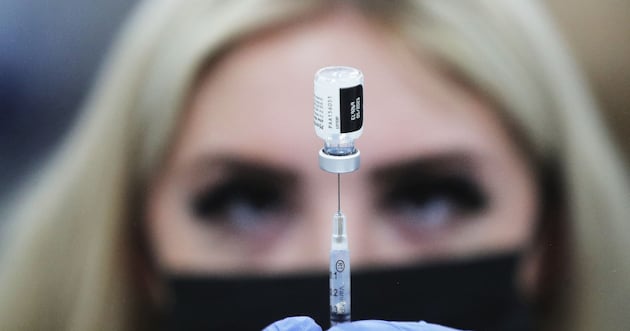
JAMA Network Open published a CDC-withheld COVID-19 vaccine study showing the 2025-26 vaccine cut emergency department/urgent care visits by 50% and hospitalizations by 55% in adults, with 48% and 53% effectiveness respectively in those age 65 and older. The article highlights controversy over the CDC’s decision to block publication, with critics suggesting political influence and HHS rejecting that claim. The news is important for public-health policy and vaccine discourse, but it is unlikely to have a large direct market impact.
The immediate market read is less about the vaccine data itself and more about institutional credibility at HHS/CDC. When a public-health agency is seen as filtering results through a political lens, the second-order effect is a higher discount rate on future guidance: hospital operators, insurers, and vaccine manufacturers will all price policy uncertainty more aggressively, even if the underlying efficacy signal remains intact. That argues for elevated volatility around any future CDC/FDA communications, especially into the next immunization cycle when procurement, reimbursement, and recommendation language matter most.
The most important commercial implication is not headline vaccine uptake today, but the path dependency for utilization. If guidance remains politicized, the market could see lower adult booster penetration, which would modestly help managed care near-term through lower vaccine reimbursement outlays but hurt hospitals if winter respiratory-season admissions rise. The bigger loser is the CDC brand itself: once clinicians and state health systems stop treating federal publication as a clean signal, private-sector evidence networks gain influence, increasing fragmentation and reducing the value of centralized recommendations.
The contrarian view is that this is likely a governance/headline overhang rather than a durable demand shock. A 50% efficacy estimate against severe outcomes is still commercially meaningful, but the market may be overestimating how much this changes consumer behavior given already-fading pandemic salience. The cleaner trade is to expect a short-lived reputational hit to HHS-related risk assets and a longer-duration benefit to decentralized healthcare data and evidence-generation platforms that can substitute for federal trust.
AI-powered research, real-time alerts, and portfolio analytics for institutional investors.
Request DemoOverall Sentiment
neutral
Sentiment Score
0.05
Ticker Sentiment
