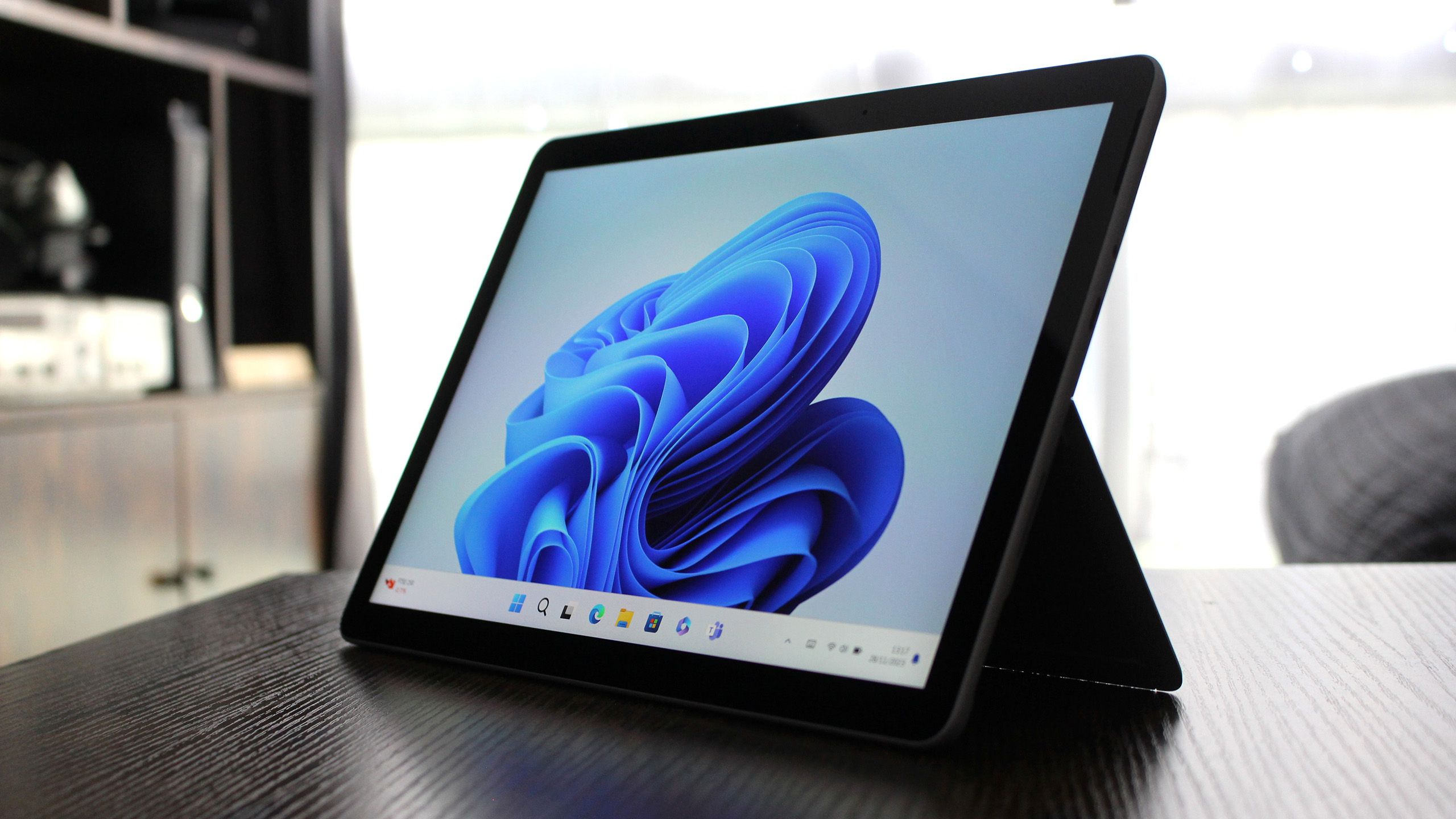
Microsoft is testing a new Windows 11 "Low Latency Profile" that boosts CPU frequency for 1 to 3 seconds during high-priority actions like app launches and opening the Start menu. Early testing suggests up to 40% faster launch times for in-box apps such as Edge and Outlook, and up to 70% faster responsiveness for flyouts and context menus. The feature is still in early testing within the Windows Insider Program and may change before release.
This is a small but important quality-of-experience improvement for MSFT: the value is less in raw benchmark gains than in reducing the “micro-latency tax” that accumulates across thousands of daily interactions. That matters because perceived sluggishness is one of the few Windows complaints that directly affects both consumer satisfaction and enterprise IT renewal confidence; even modest responsiveness gains can have outsized retention effects on OEM refreshes and subscription attach. The second-order winner is likely the broader Windows ecosystem—if the OS feels less “heavy,” it lowers the friction for users staying inside Microsoft’s default app stack rather than switching to web-first alternatives.
The market may be underestimating how this fits into Microsoft’s platform defense strategy. A faster-feeling shell is effectively a demand-side moat: it can improve session length, reduce abandonment at launch, and support Copilot/AI surface adoption by making the underlying UI feel more modern without requiring a full hardware upgrade cycle. That creates incremental support for Windows 11 penetration and should modestly help Surface and OEM partners if the perception shift is meaningful enough to influence refresh timing over the next 2-4 quarters.
The main risk is execution and expectation management. If the feature is battery-neutral only in controlled tests but regressions appear on older laptops, the net effect could be negative in enterprise fleets where thermal consistency matters more than launch speed. Another risk is that the improvement is visible in demos but not durable across real workloads, which would limit it to a PR event rather than a fundamental driver. The contrarian view is that this may be more about fixing accumulated software debt than generating incremental product advantage; in that case, the stock benefit should be limited unless Microsoft can show the change is part of a broader cadence of measurable Windows quality improvements.
AI-powered research, real-time alerts, and portfolio analytics for institutional investors.
Request DemoOverall Sentiment
mildly positive
Sentiment Score
0.35
Ticker Sentiment
