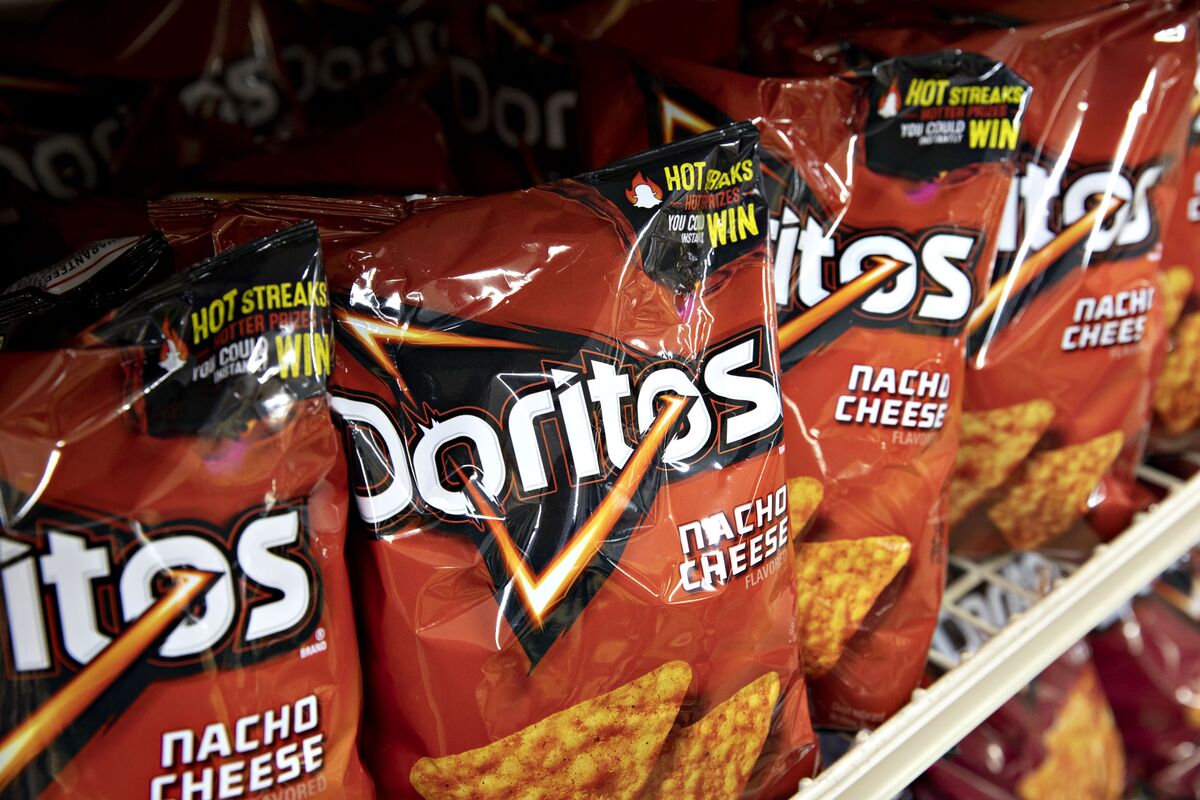
Texas Senate Bill 25, awaiting Governor Abbott's signature, would mandate warning labels on packaged foods like Doritos and M&Ms containing ingredients "not recommended for human consumption" by other countries, potentially impacting food manufacturers selling in the state. The labeling requirements, set to begin in 2027, target products with specific ingredients and could significantly alter packaging and sales strategies for food companies given Texas's large population.
Texas Senate Bill 25, awaiting the Governor's signature, poses a notable regulatory challenge for the packaged food industry by proposing mandatory warning labels on products containing ingredients restricted in other countries, effective 2027. This legislation, backed by Robert F. Kennedy Jr., directly impacts major brands like Doritos and M&Ms sold in Texas, the U.S.'s second-most populous state with 31 million residents. The potential consequences include increased operational costs for new packaging, possible product reformulations, and a potential shift in consumer purchasing behavior away from labeled items. The overall sentiment for this development is moderately negative, reflecting concerns over these prospective business disruptions and the precedent it might set for similar regulations in other states, thereby impacting companies with significant market presence in Texas or those reliant on the targeted ingredients.
AI-powered research, real-time alerts, and portfolio analytics for institutional investors.
Request DemoOverall Sentiment
moderately negative
Sentiment Score
-0.50
