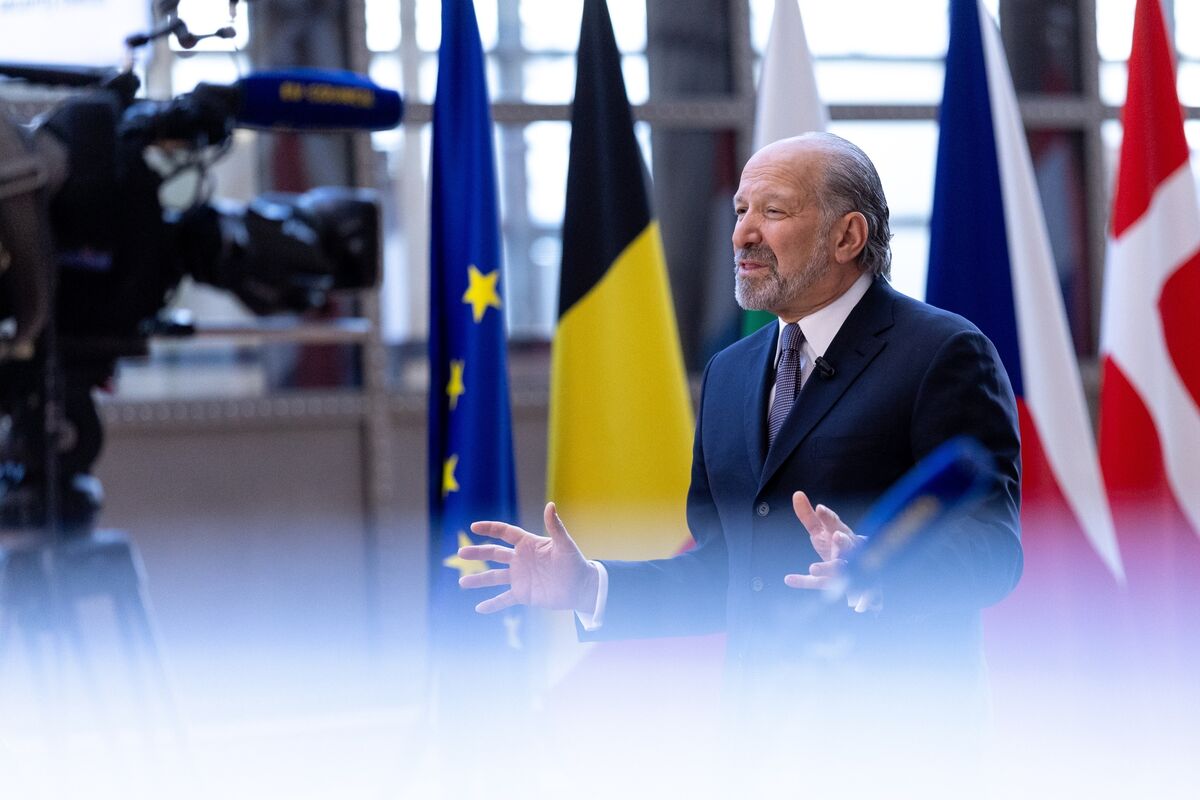
U.S. Commerce Secretary Howard Lutnick said the European Union would need to loosen its digital regulations as a precondition for reaching a deal to reduce steel and aluminum tariffs. The comment links tech-regulatory reform to potential tariff relief, a negotiation pathway that could influence metals trade flows and supply chains if it leads to an agreement, but it remains a conditional political proposal rather than an immediate policy change.
Market structure: Linking digital deregulation to tariff relief reallocates pricing power from protected U.S. metals producers toward downstream industrials and global exporters. If implemented, expect domestic steel/aluminum volumes imported to rise 10–25% over 6–12 months, compressing U.S. mill margins by a similar order while improving margins for metal-consuming sectors (autos, aerospace) by reducing input cost volatility.
Risk assessment: Tail scenarios include (A) EU refuses any meaningful regulatory easing → tariffs remain and domestic metals stay elevated (upside for NUE/X) or (B) EU concedes broad carve‑outs for U.S. cloud/ads → structural revenue reallocation to AMZN/MSFT/GOOGL and political backlash leading to fresh non‑tariff barriers. Near term (days–weeks) expect headline volatility ±3–7% in industrials/metal names; medium term (3–12 months) fundamentals shift if binding deals are signed.
Trade implications: Favor shorts in U.S. primary metals (NUE, X, AA) sized 1.5–3% of book and longs in large auto OEMs (GM, F) and industrial OEMs (HON, UTX/RTX) that consume metal, sized 2–4%, with target hold 3–12 months. Use 3–6 month put protection on NUE (strike ~5–10% OTM) and 6–12 month calls on GM or F (ATM to 10% ITM) to asymmetrically capture re‑rating around deal windows.
Contrarian angles: Markets underprice the probability that EU concessions will be narrowly scoped (cloud/data localization carveouts) which helps big-tech more than blanket tariff relief; thus long-tech exposure (AMZN/MSFT) at 1–2% with a 6–12 month horizon is a low-cost asymmetric play. Watch for unintended EUR strength (≥1–2%) and EU political pushback that could reverse flows abruptly.
AI-powered research, real-time alerts, and portfolio analytics for institutional investors.
Request DemoOverall Sentiment
neutral
Sentiment Score
0.05
