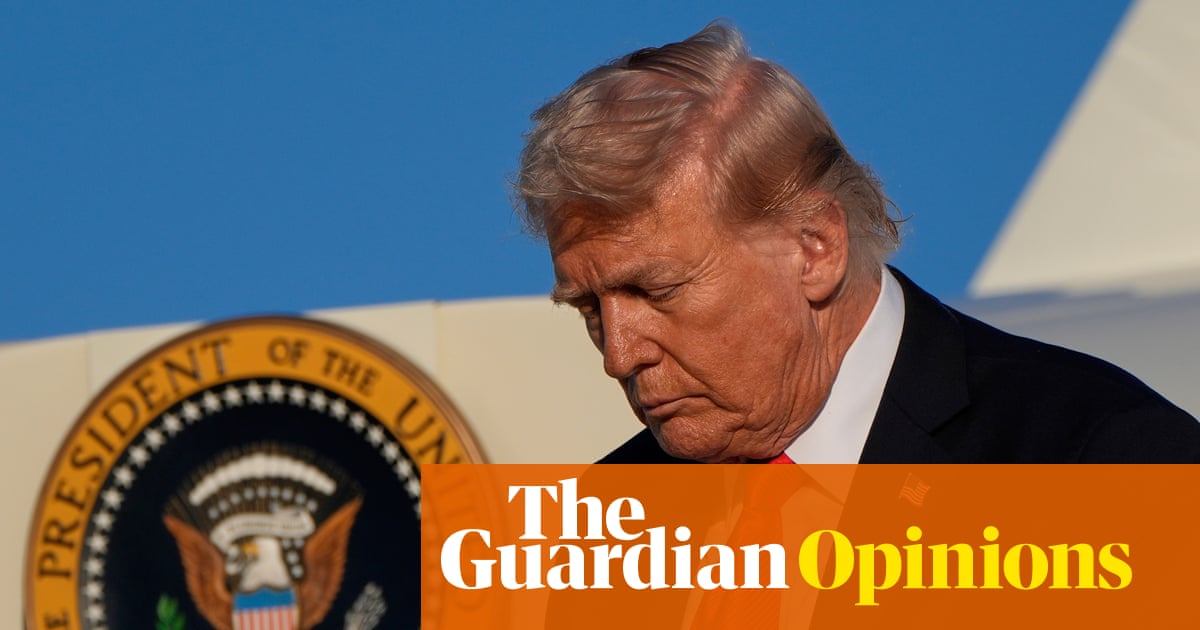
Donald Trump's leadership is criticized for failing to de-escalate the Ukraine and Gaza conflicts, instead contributing to their expansion and increased global instability. The article contends that his perceived weakness has enabled Russia's Vladimir Putin to escalate aggression, exemplified by drone incursions into NATO member Poland, and allowed Israel's Benjamin Netanyahu to undermine peace processes. This perceived vacuum in US leadership, alongside Trump's anti-alliance rhetoric, is seen as eroding Western cohesion and necessitating a more assertive, independent stance from European nations to counter evolving geopolitical risks.
The provided analysis presents a deeply pessimistic view of the current geopolitical landscape, attributing the escalating conflicts in Ukraine and the Middle East to a significant failure in U.S. foreign policy leadership. It argues that a perception of U.S. weakness has emboldened adversaries, citing specific events such as Russian drone incursions into NATO member Poland and an Israeli airstrike in Qatar that derailed peace talks. The core thesis is that the U.S. administration's approach, characterized by posturing without substantive action, has created a leadership vacuum, eroded Western cohesion, and is actively prolonging these conflicts. This situation is framed as a critical test for European allies, who are being urged to adopt a more independent and forceful security posture to counter Russian aggression directly. The high market impact score (0.8) underscores the severe systemic risk posed by these simultaneous, expanding crises, which threaten to trigger wider conflagrations and disrupt global stability, energy markets, and international alliances.
AI-powered research, real-time alerts, and portfolio analytics for institutional investors.
Overall Sentiment
extremely negative
Sentiment Score
-0.80
