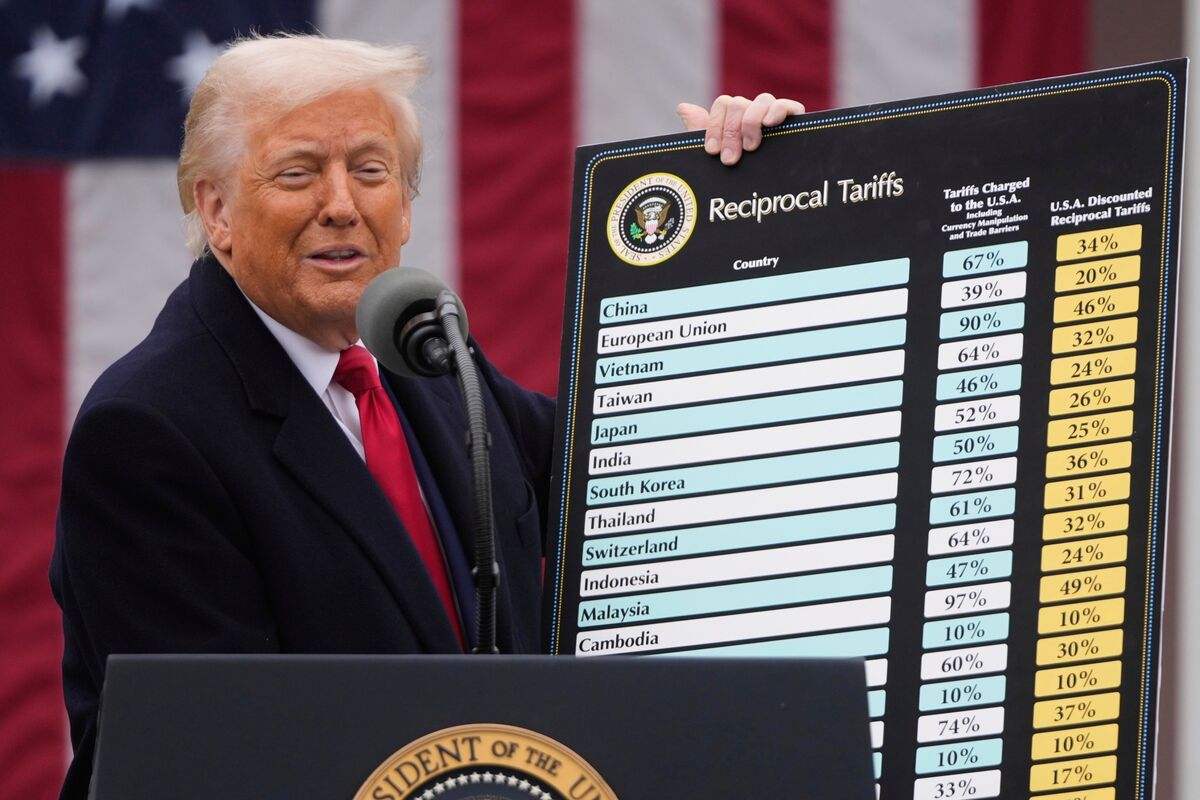
US President Donald Trump met with Swiss leaders to address trade imbalances and Switzerland's high tariff rate, which is the highest among developed nations. Subsequent discussions are planned between US Trade Representative Jamieson Greer and Swiss officials, signaling ongoing efforts to renegotiate trade terms and potentially reduce Swiss tariffs.
US President Donald Trump engaged with high-level Swiss representatives to address trade imbalances, specifically targeting Switzerland's tariff rate, which is noted as the highest among developed nations. This direct presidential involvement underscores the US administration's focus on rectifying perceived trade disparities.
Subsequent discussions are planned between US Trade Representative Jamieson Greer and Swiss leaders, indicating a structured, ongoing negotiation process. This aims to explore potential reductions in Swiss tariffs and renegotiate trade terms, suggesting a measured approach rather than an immediate resolution.
The overall sentiment is "mildly positive" (0.25) with a "low market impact" (0.2), implying that while the dialogue is constructive, significant immediate market reactions are not expected. This initiative aligns with themes of "Trade Policy & Supply Chain" and "Tax & Tariffs," highlighting a continued emphasis on bilateral trade adjustments.
AI-powered research, real-time alerts, and portfolio analytics for institutional investors.
Request DemoOverall Sentiment
mildly positive
Sentiment Score
0.25
