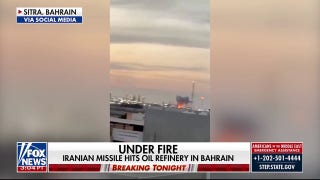
The House narrowly rejected a bipartisan resolution 212-219 that would have blocked President Trump from using U.S. forces in Operation Epic Fury, a joint U.S.-Israeli campaign targeting Iran's military assets, senior leadership and nuclear capabilities. The vote — led by Reps. Thomas Massie and Ro Khanna — follows a Senate defeat of a similar measure and comes amid accusations that the administration acted without congressional authorization after six U.S. service members were killed; supporters argue constraining the operation would harm national security. The outcome preserves executive flexibility to continue strikes but heightens geopolitical risk and domestic political friction, factors that could drive near-term market volatility for risk assets and energy-sensitive sectors.
Market structure: Immediate winners are U.S. defense primes (LMT, RTX, GD, NOC) and energy majors (XOM, CVX) from a higher risk premium and potential disruption to Middle East supply chains; direct losers include airlines (AAL, UAL, DAL), EM exporters, and tourism/leisure names. Pricing power shifts to defense contractors (higher R&D/contract awards) and integrated majors (spot exposure to Brent), while demand shocks lift safe-haven assets (GLD, TLT) and push FX into USD strength; expect WTI bid +3–8% on credible shipping threats.
Risk assessment: Tail risks include escalation to Gulf-wide shut-ins or major cyberattacks on energy infrastructure (low probability, >$50/bbl WTI shock scenario) and a Congressional funding standoff that could compress defense capex (operational risk). Timeframes: days—VIX and oil spikes, equity drawdowns; weeks–months—re-rating of defense/energy (~+5–15%); quarters—permanent budget/contract shifts if conflict endures. Hidden dependencies: Congressional votes, ally involvement, and insurance (war-risk P&I) can amplify premiums quickly. Key catalysts: casualty counts, shipping incidents, Senate/House votes, and presidential statements.
Trade implications: Tactical: establish 2–3% long positions in LMT and RTX with 3–12 month targets of +12–20%; hedge with 1% positions in SPY 1–3 month 2–3% OTM puts if VIX >25. Energy: buy 3-month call spreads on XOM or XLE (10% OTM) sized 2–3% of portfolio, trim if WTI <70. Short 1–2% positions in AAL/UAL via 3-month 15% OTM puts or equity shorts; pair trade long LMT vs short UAL for relative defense vs travel exposure.
Contrarian angles: Consensus may overpay for a prolonged conflict—Soleimani strike (Jan 2020) produced a short-lived oil/defense spike then mean-reversion; if de-escalation occurs within 30 days, volatility and defense/energy rallies are vulnerable to 10–25% pullbacks. Consider selling short-dated high IV call spreads on GLD/XLE after initial spikes (if VIX>30) and set clear stop-losses: reduce defense exposure if oil falls below $70 WTI or Congress passes curbs.
AI-powered research, real-time alerts, and portfolio analytics for institutional investors.
Request TrialOverall Sentiment
moderately negative
Sentiment Score
-0.50
