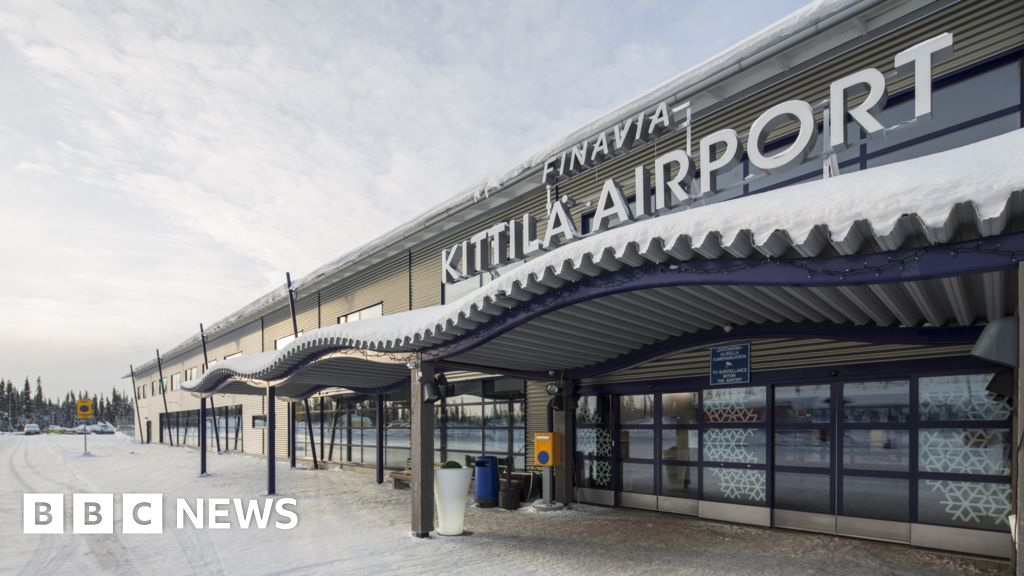
A severe cold snap in Finnish Lapland has grounded flights at Kittila airport, leaving thousands of tourists stranded as temperatures plunged to around -35C with forecasts down to -39C, causing cancellations and delays for international routes to London, Paris, Amsterdam and others. Extreme cold and moisture are hindering de-icing, refuelling and ground maintenance, while icy roads have increased accident risk; the disruption is localized but creates short-term operational and revenue pressure for regional airports, carriers serving ski/Northern Lights traffic and related transport logistics.
Market structure: Extreme cold (-35C to -39C) creates acute operational pain for regional airports, ground-handling firms and tour operators with concentrated Lapland exposure; winners include short-term travel insurers (higher premium pricing & cancellations revenue) and de-icing equipment/services providers. Airlines with diversified networks (IAG, RYAAY) can reallocate capacity; small regional carriers and package-tour operators (high Lapland mix) face higher per-flight costs and potential compensation/repurchase liabilities, pressuring margins by an estimated 1–3% per week of disruption. Risk assessment: Immediate (0–7 days) risk is operational cancellations and localized revenue losses; short-term (weeks–3 months) risk is elevated cancellations, higher opex and reputational damage; long-term (quarters+) limited unless winter pattern repeats or regulators force stricter ground-movement rules. Tail risks: multi-week shutdowns over peak season causing 5–15% quarterly rev downgrades for exposed operators; hidden dependency is concentrated third‑party ground handling and single-airport routing of package tours. Trade implications: Favor small, tactical shorts in exposed tour operators/regionals and buy hedges on airline ETFs; consider 1–2% position sizes and 30–60 day horizons given likely rebooking vs total lost revenue. Use put spreads on JETS (1-month) to cap cost and pair long European travel insurers (e.g., Allianz ETR:ALV 1–2%) against shorts in tour operators (e.g., TUI LON:TUI 1%). Contrarian angle: Markets likely underprice the benefit to de-icing equipment suppliers and winter-resilient hospitality (ski resorts, longer-stay lodges). If cancellations drive surge bookings later in season, some operators could see offsetting demand; avoid large directional bets without seeing >7 days of sustained disruption or guidance downgrades.
AI-powered research, real-time alerts, and portfolio analytics for institutional investors.
Request DemoOverall Sentiment
mildly negative
Sentiment Score
-0.30
