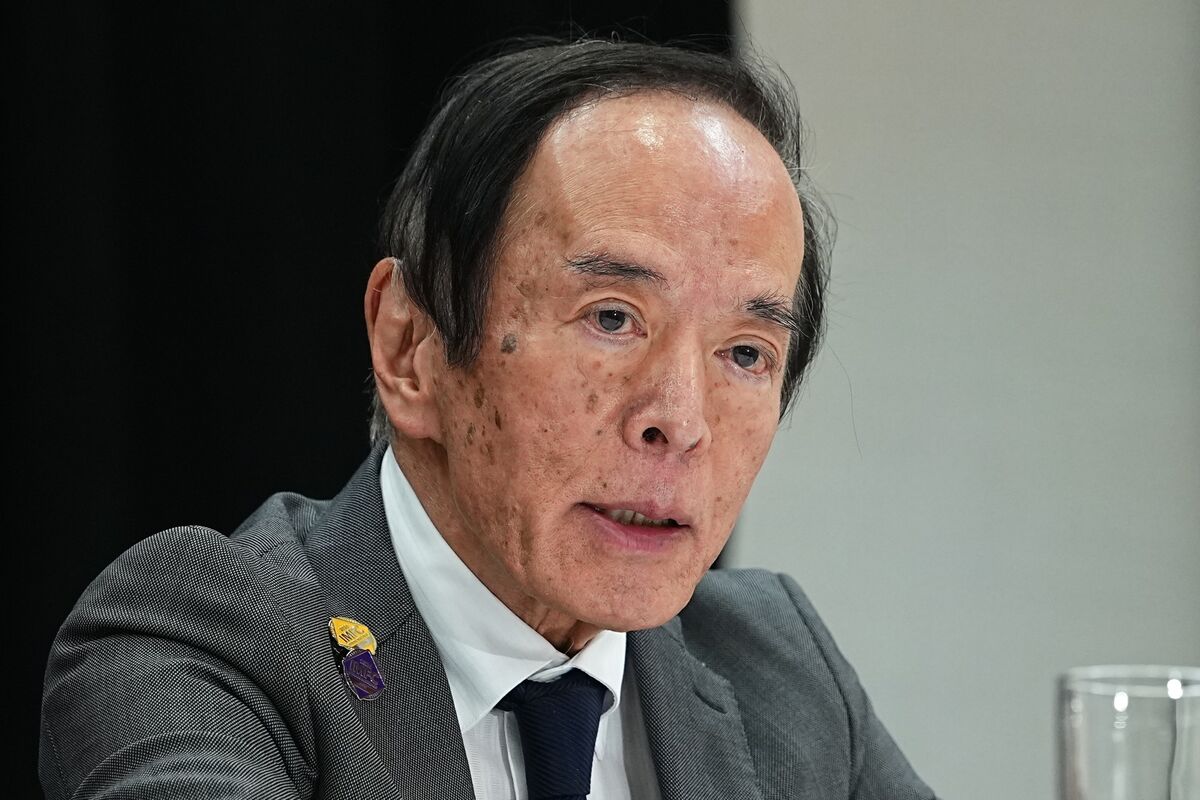
Bank of Japan Governor Kazuo Ueda is expected to miss the June 15-16 policy meeting due to hospitalization, creating uncertainty around the BOJ’s messaging even as investors still expect an interest-rate hike. Ueda will not vote but will issue a statement, while Deputy Governor Ryozo Himino will act as chair and Shinichi Uchida will hold the post-meeting press conference. The event adds a governance and communication risk around a likely policy tightening.
The immediate market risk is not the policy rate decision itself, but the communication gap created by a leadership substitution at a moment when the BOJ is trying to normalize policy without destabilizing JGB markets. When investors believe a hike is coming, the main variable becomes the slope and credibility of the post-meeting guidance; any ambiguity can steepen front-end volatility even if the decision is unchanged. That makes the press conference functionally more important than the vote, because it will determine whether the market interprets the move as a clean step in a tightening cycle or as a one-off delivered under operational strain.
Second-order effects are likely to show up first in the yen and the 2Y-5Y JGB sector, not in equities. A weaker or less authoritative message should cap upside in JPY and reduce the probability of aggressive curve flattening, because dealers will be less willing to price a fast follow-on hike without Ueda’s explicit framing. Conversely, if the acting team sounds disciplined and internally aligned, the market may actually re-price a slightly faster normalization path as proof that policy continuity is intact despite the personnel disruption.
The contrarian angle is that the absence itself may be overstated as a risk premium source. Markets often over-penalize leadership uncertainty when the institutional apparatus is strong and the path of policy is already largely discounted; in that case, the bigger move could be a relief rally in JPY and JGBs if the BOJ delivers a clean, procedural handoff. The real tail risk is a messy communication mismatch: if the statement, acting chair, and press conference diverge even modestly, the market will infer internal disagreement and demand a higher risk premium on Japanese duration for weeks rather than days.
For global portfolios, the most important spillover is FX hedging cost for USD-based investors with Japan exposure. If the BOJ sounds less hawkish than expected, hedged foreign demand for Japanese equities may improve marginally via a softer yen, but the more durable effect would be on financing conditions for carry trades and Asia FX beta. Watch the first 24 hours after the meeting: that is where positioning will tell you whether the market views this as a governance hiccup or a genuine policy signal reset.
AI-powered research, real-time alerts, and portfolio analytics for institutional investors.
Request DemoOverall Sentiment
neutral
Sentiment Score
-0.05
