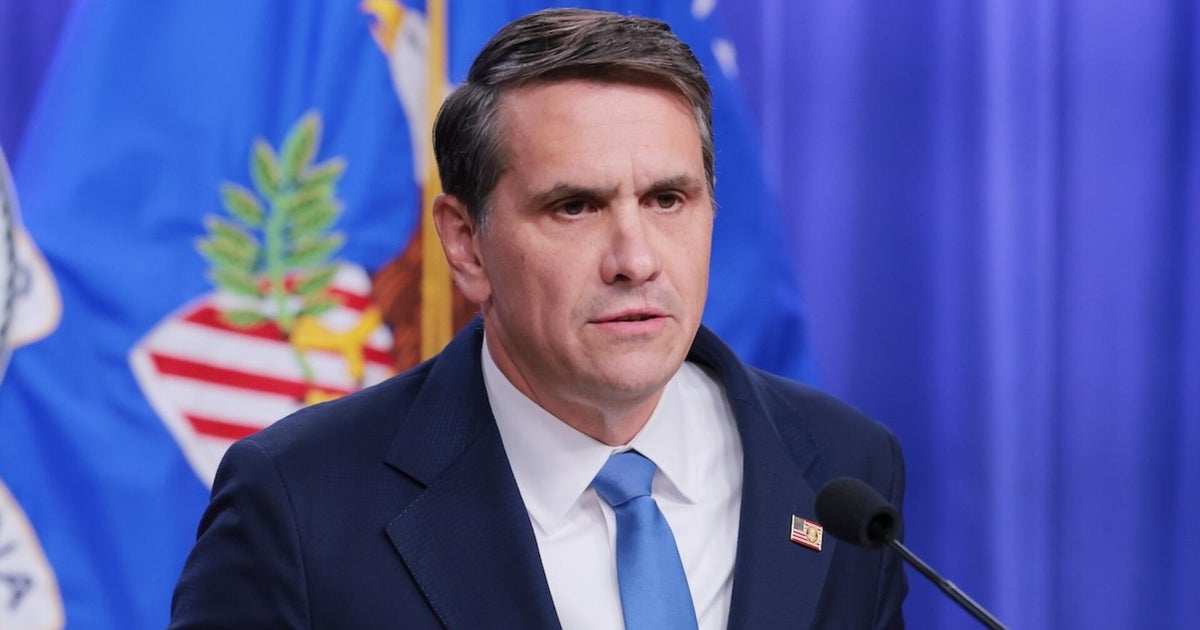
Acting AG Todd Blanche asked a federal judge to lift an injunction blocking above-ground White House ballroom construction, citing the White House Correspondents' Dinner shooting and national security concerns. The dispute centers on the project’s lack of congressional approval and its reported $400 million private financing structure, with an appellate court already allowing construction to continue temporarily. A Senate committee chair also said he plans legislation to permit the ballroom project.
This is less about a ballroom than about precedent risk in federal permitting and the growing monetization of security as a political justification. The administration is trying to convert a discretionary capital project into a national-security necessity, which, if tolerated, lowers the bar for executive bypass of normal oversight in future buildouts. That matters most for contractors and adjacent service providers only if the legal signal shifts from temporary injunction risk to a durable win on deference to executive security claims.
The market-relevant second-order effect is on governance discount, not construction spend. Any company with significant exposure to federal real estate, historic preservation disputes, or public-private financing structures can see a higher probability of delay premiums and litigation-driven repricings if courts or Congress appear willing to re-litigate the boundary between executive necessity and legislative authorization. Conversely, a legislative fix would be a green light for faster federal capex on security-related infrastructure, which benefits specialty contractors, security integrators, and select engineering firms more than traditional building materials names.
The immediate catalyst is procedural, not economic: the appellate court hearing in early June and any indicative ruling create a binary path for the injunction. The downside tail is a court reaffirming the need for congressional approval, which would freeze above-ground work and extend legal uncertainty for months; the upside tail is a fast-track political endorsement that normalizes politically justified construction exceptions. The contrarian read is that the incident being used to justify the project may actually harden judicial skepticism by making the record look opportunistic, increasing the odds of a narrower ruling that preserves the bunker work but constrains everything visible and discretionary.
AI-powered research, real-time alerts, and portfolio analytics for institutional investors.
Request DemoOverall Sentiment
neutral
Sentiment Score
-0.05
