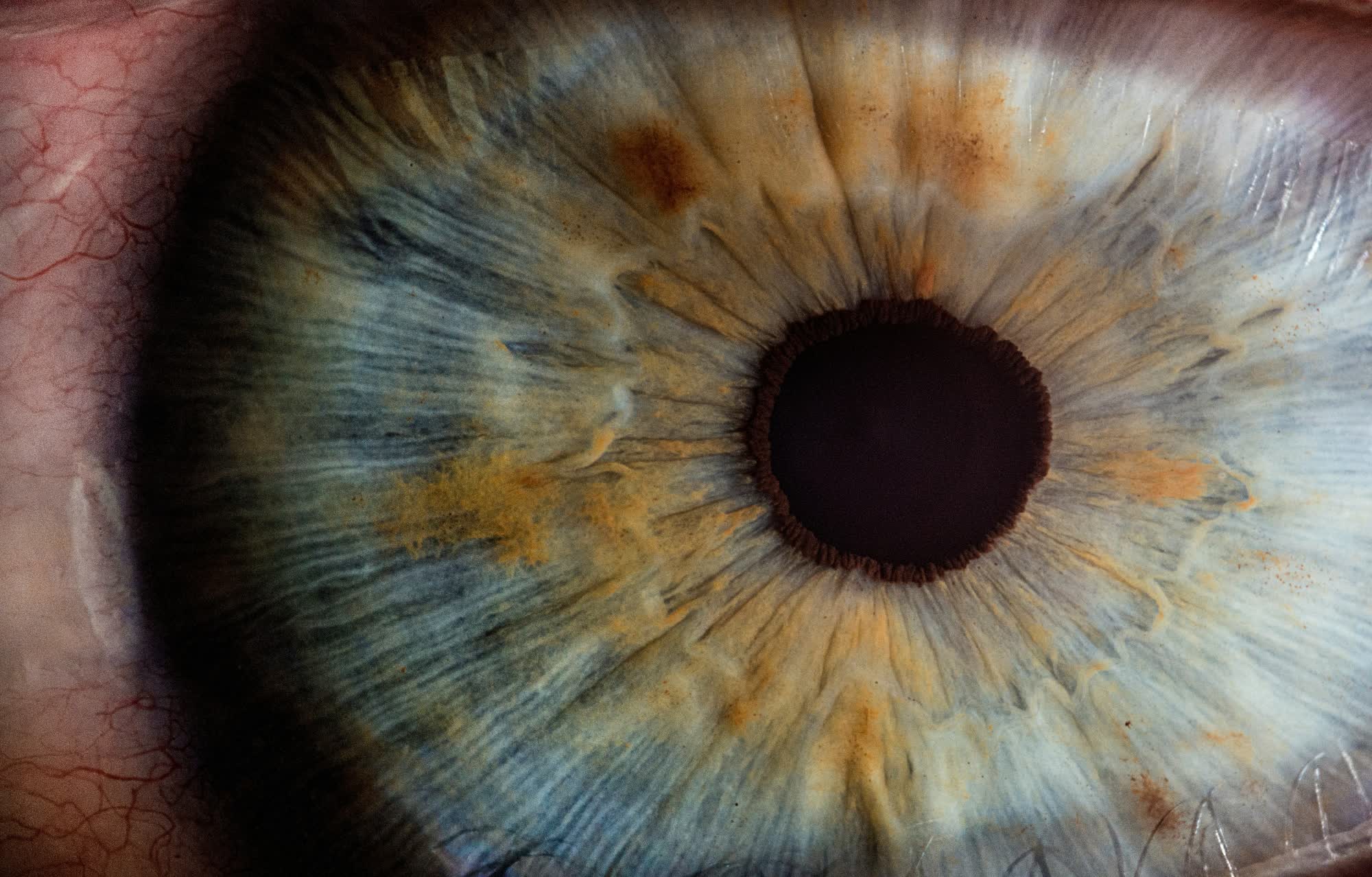
Researchers from Uppsala University and the University of Gothenburg have developed 'retina E-paper,' a new fabrication method utilizing tungsten trioxide nanodisks to create e-ink pixels as small as 560 nanometers, achieving over 25,000 pixels per inch. This advancement significantly addresses the resolution limitations of traditional e-ink, enabling high-resolution, low-energy displays suitable for wearables and potentially 4K screens on contact lens-sized devices, while offering superior sunlight visibility. Although refresh rates are lower than conventional displays, this technology presents a substantial leap for energy-efficient, high-density display applications. Separately, Julius-Maximilians-Universität Würzburg is also pushing OLED pixel density to 55,000 PPI for potential micro-displays, signaling a broader trend towards ultra-high-density, low-power display solutions.
Researchers from Uppsala University and the University of Gothenburg have developed "retina E-paper," a novel fabrication method utilizing tungsten trioxide nanodisks to achieve extreme pixel densities exceeding 25,000 pixels per inch (PPI). This innovation directly addresses the primary resolution limitations of traditional e-ink technology, which typically offers 300 PPI in black and white. The breakthrough enables the deployment of high-resolution displays with significantly reduced energy consumption. The new e-paper offers substantial energy efficiency, drawing approximately 0.5 milliwatts per square centimeter for static images and 1.7 milliwatts per square centimeter for video, considerably less than typical e-ink panels. Its superior contrast and visibility in sunlight, combined with the potential for 4K resolution on contact lens-sized screens, position it as a disruptive technology for wearables and other low-power applications. This contrasts sharply with current smartphone displays like the iPhone's 460 PPI. While retina E-paper supports color and anaglyph 3D, its refresh rate, estimated to exceed 25Hz, remains lower than conventional e-ink (60Hz) and LED displays (hundreds of frames per second). This limitation may restrict its immediate application in dynamic content. Concurrently, separate research from Julius-Maximilians-Universität Würzburg on shrinking OLED pixels to over 55,000 PPI highlights a broader industry trend towards ultra-high-density, low-power micro-displays, despite current color and commercialization challenges.
AI-powered research, real-time alerts, and portfolio analytics for institutional investors.
Request DemoOverall Sentiment
moderately positive
Sentiment Score
0.60
Ticker Sentiment
