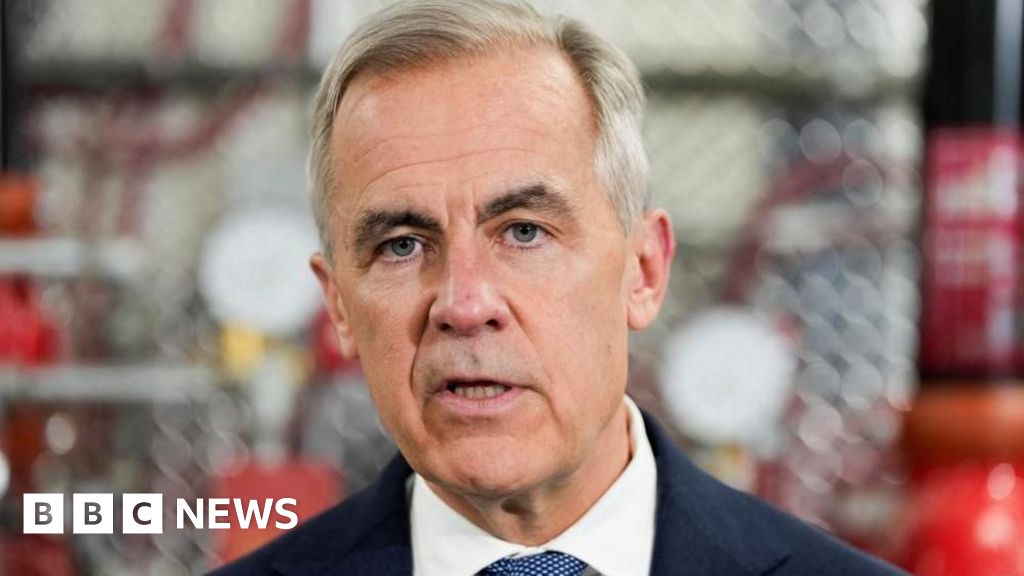
Alberta will hold a 19 October vote on whether to remain in Canada or begin the legal process for a binding independence referendum, after a court ruling paused petition verification over consultation issues with Indigenous groups. Prime Minister Mark Carney called Alberta an essential part of Canada, while Premier Danielle Smith said she will campaign for the pro-Canada side and the province is appealing the ruling. The story is politically significant but has limited immediate market impact unless separatist momentum materially changes policy or investment conditions in the oil-rich province.
The first-order market read is not about immediate break-up risk; it is about a higher probability of prolonged policy paralysis in a province that is central to Canadian resource investment. That matters because capital allocation in energy, pipelines, power, and industrials is extremely sensitive to the perceived durability of federal-provincial rules, and even a low-probability constitutional fight can raise the discount rate on long-dated projects by 50-150 bps. The more important second-order effect is that Ottawa now has stronger incentive to offer Alberta symbolic concessions on permitting, royalties, and infrastructure, which could improve sentiment for Canadian midstream and E&Ps before any legal outcome is resolved.
The legal layer is the real catalyst. The court ruling creates a multi-month path where headlines can repeatedly reprice risk without changing fundamentals, which tends to benefit volatility sellers if they can avoid gap risk. Conversely, the separatist vote itself can serve as a pressure valve: if the pro-remain side wins decisively, the issue may fade for 12-24 months; if the margin is narrow, it will keep alive a persistent risk premium on Alberta-linked assets and on Canadian political stability more broadly.
Consensus likely underestimates how little actual secession probability is needed to change behavior. Even a 20-25% tail can cause corporate boards to defer capex, lenders to tighten terms, and foreign investors to demand a larger country risk premium, especially for assets with export bottlenecks or regulatory dependence. The underappreciated beneficiary is not the separatist movement itself but any federal or provincial incumbents who can extract concessions by credibly threatening disorder, which may ultimately be bullish for domestic infrastructure spend and for firms exposed to a policy compromise rather than a binary outcome.
AI-powered research, real-time alerts, and portfolio analytics for institutional investors.
Request DemoOverall Sentiment
neutral
Sentiment Score
-0.05
