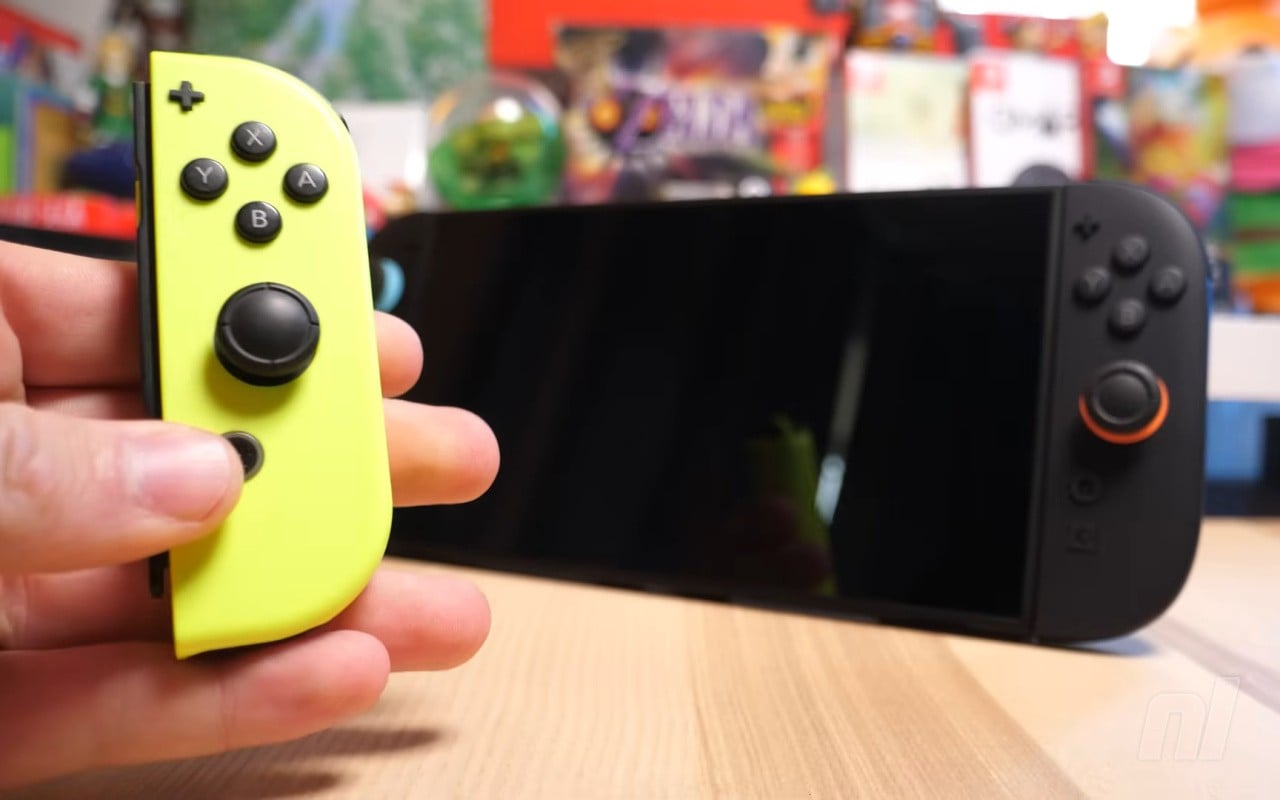
Firmware Version 22.0.0 introduces 'Handheld Mode Boost' on Nintendo Switch 2, forcing compatible Switch titles to run in handheld as if in TV mode (Switch 2 handheld 1080p vs original 720p), potentially improving visuals. Trade-offs include higher power consumption, disabled touchscreen, and Joy‑Con 2 controllers being treated as a Pro Controller; the feature does not affect native Switch 2 software and is exclusive to Switch 2, requiring the 22.0.0 update.
This firmware lever reduces a key migration pressure point for legacy Switch titles, creating a substantive experience arbitrage between native next‑gen ports and legacy builds running on newer hardware. That lowers urgency for third‑party studios to invest engineering cycles in Switch 2‑native upgrades, which will compress incremental software spend on the platform over the next 6–18 months even as user satisfaction metrics tick up short term.
Operationally, pushing higher TV‑mode performance in a handheld envelope materially changes device-level thermal and energy budgets: expect average session lengths and battery replacement/accessory spend to reprice within weeks as users trade performance for endurance. That creates a concentrated, near‑term revenue opportunity for battery and cooling accessory makers and retail channels, and a medium‑term cost/risk vector for Nintendo via higher warranty/RMA rates and potential negative reviews if thermal throttling emerges.
Strategically, the feature is a low‑cost way to extend the commercial tail of the prior gen software library and to blunt competitive comparisons to rival ecosystems on perceived handheld fidelity. But it is a double‑edged sword — by preserving acceptable legacy performance, Nintendo reduces near‑term platform differentiation for developers, which could slow Switch 2 software monetization and franchise relaunch cadence over 12–24 months.
Net, this is a modest positive for consumer sentiment and accessories in the near term, a muted positive for Nintendo’s install base economics, and a latent operational risk that could crystallize into higher support costs or degraded engagement if thermal/battery tradeoffs are widely experienced.
AI-powered research, real-time alerts, and portfolio analytics for institutional investors.
Request DemoOverall Sentiment
mildly positive
Sentiment Score
0.12
