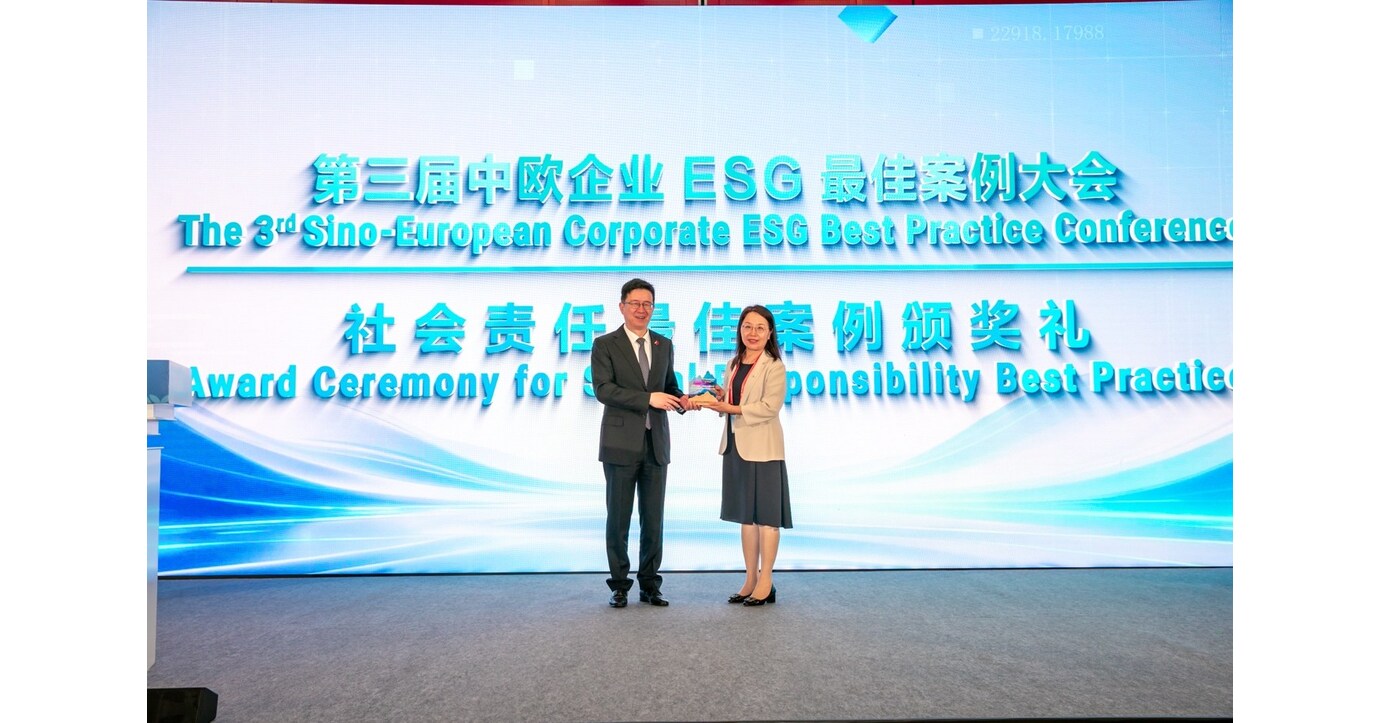
Sinopec recibió el premio “Mejores Prácticas en Responsabilidad Social” por su propuesta sobre “Desarrollo Verde Impulsado por la Innovación…”, destacando un sistema integral de gestión de la huella de carbono en toda la cadena de valor y el reconocimiento mutuo de metodologías con BASF. El artículo resalta la alineación con normas chinas y europeas de contabilidad de carbono y la incorporación de requisitos de bajas emisiones en procesos de adquisición. En términos de mercado, es una noticia de posicionamiento ESG con impacto limitado en precios a corto plazo.
This reads more like an optionality event than a fundamental earnings driver. For Sinopec, the real value is not the award itself but the signal that it is trying to normalize carbon accounting with European counterparties; that can lower transaction friction with multinationals that increasingly need auditable scope-3 data, and it can modestly improve access to western procurement frameworks and green financing. The market should not pay up much on the headline alone, but it is a small positive for the company’s cost of capital and for the probability of winning export-linked chemical volumes over the next 6-18 months.
Second-order, the beneficiaries are larger integrated names that can absorb compliance overhead and provide verified product footprints; smaller refiners and commodity chemical exporters without traceable lifecycle data could get squeezed out of premium European supply chains. BASF is the obvious reference point because interoperability in carbon methodologies reduces friction in bilateral trade and may eventually turn into preferred-supplier advantages for firms that can certify embedded emissions. Conversely, this is mildly negative for purely price-led competitors in Asia that will now have to spend more on data systems, audits, and supplier onboarding just to stay in the pool.
The contrarian take is that the street may be over-indexing on ESG optics while underestimating how slowly this translates into P&L. Unless there is disclosed volume growth, financing spread compression, or procurement wins tied to the carbon framework, the equity impact should remain limited and the news can fade within days. The key falsifier is simple: if no concrete European commercial follow-through appears by the next 1-2 reporting cycles, this is likely just a reputational tailwind, not a rerating catalyst.
AI-powered research, real-time alerts, and portfolio analytics for institutional investors.
Request DemoOverall Sentiment
mildly positive
Sentiment Score
0.25
Ticker Sentiment
