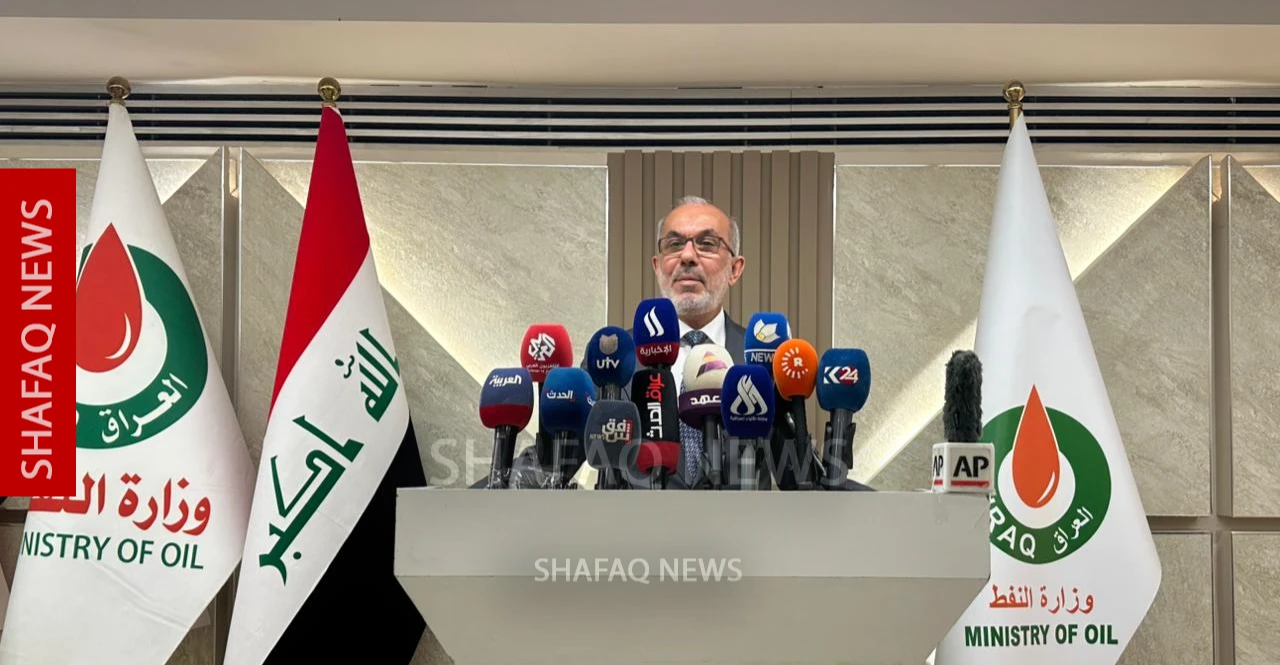
Iraq warned that escalating regional tensions threaten crude flows through the Strait of Hormuz as it seeks to raise exports via Turkiye to 500,000 bpd. Current shipments from Kirkuk through Ceyhan are about 200,000 bpd, while crude production from Basra and Kirkuk is no more than 1.4 million bpd. The article points to ongoing disruption risk, lower export volumes, and uncertainty over Kurdistan operations, all of which are negative for Iraq’s oil outlook.
The market is underestimating how much of this is a logistics and contractuality story, not just a geopolitical headline. If Iraq can reroute meaningful volumes through Ceyhan, the biggest beneficiary is not a generic energy basket but the midstream/shipping stack tied to alternative export corridors: pipeline throughput, terminal utilization, and tanker demand get repriced before upstream barrels do. The first-order bullish impulse for crude is real, but the second-order effect is a wider spread between secure supply routes and exposed grades, which should support differentials for non-Middle East crudes rather than just the flat price.
The real constraint is time. Restoring export capacity through Turkiye depends on political alignment with the Kurdistan Region and the return of operators, which is a months-to-quarters process even under cooperation; that makes this more of a summer/fall risk premium than an immediate volume shock. In the meantime, any sustained friction through Hormuz would force refiners to carry more prompt inventory and widen time spreads, but if the flow disruption is mostly localized to Iraq rather than the Gulf broadly, the market may quickly fade the headline premium.
The contrarian view is that the move may be less bullish for oil than it looks because Iraq is effectively telegraphing a supply-recovery effort. The upside case is a temporary spike in Brent and inland differentials; the downside case for oil bulls is that incremental exports through Turkiye offset some lost Hormuz confidence and cap the duration of the rally. Watch for policy signaling from OPEC and Baghdad: if they succeed in revising quotas or production ceilings, the medium-term effect could be bearish for crude and more bullish for logistics assets than E&Ps.
Best risk/reward is to express the trade through relative value rather than outright oil beta. The cleanest setup is long logistics/transit exposure and short vulnerable refining margins if the market prices a sustained disruption, while keeping crude upside limited with call spreads rather than naked longs. If diplomacy improves or Kurdistan flows normalize, the air pocket in headline-driven oil could unwind fast.
AI-powered research, real-time alerts, and portfolio analytics for institutional investors.
Request DemoOverall Sentiment
mildly negative
Sentiment Score
-0.22
