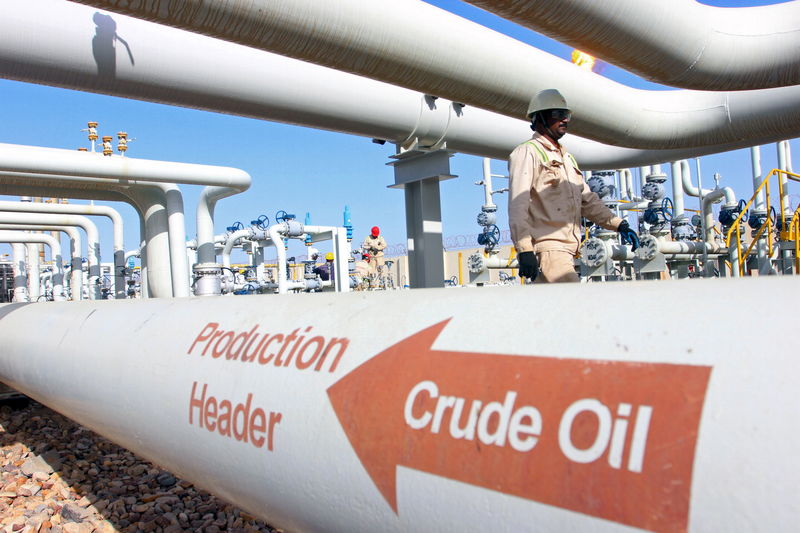
Iran continues to export about 1.5 million barrels per day via the Strait of Hormuz despite reduced tanker traffic after Iranian attacks on commercial vessels, and the U.S. is allowing some Iranian tankers to transit to keep global supply flowing. Treasury Secretary Scott Bessent said shipments to India and some Chinese-linked vessels are moving, that traffic should rise before U.S. and allied escorts begin, and he expects crude prices to fall 'much lower' than $80/bbl after the war ends.
Seaborne flow uncertainty combined with elevated regional security premia creates a bifurcated market: capital-intensive, on-premise/edge hardware vendors with flexible manufacturing and direct enterprise channels (SMCI-style exposure) pick up pricing power and shortened replacement cycles, while demand-sensitive ad/consumer-tech names (APP-style exposure) are more vulnerable to near-term ad pullbacks and CPI-driven user engagement compression. The asymmetric cost shock — small persistent insurance/war-risk surcharges plus intermittent delays — acts like a hidden tax on long, low-margin global supply chains and benefits suppliers who can re-route, stockpile, or localize assembly within allied jurisdictions.
Key near-term catalysts live on two timescales: days–weeks for shipping flows, insurance-rate prints, and charter-rate spikes that immediately widen landed costs; and 3–9 months for corporate capex decisions, inventory rebuilds, and customer procurement cycles that convert those cost signals into order books. Tail risks that would reverse the constructive hardware thesis are clear and binary: a rapid, prolonged chokepoint closure or broad regional escalation that pushes Brent well into triple digits — that would compress discretionary spend and freeze capex simultaneously.
Trade rationale: with energy-price volatility capped but security premia elevated, overweighting infrastructure-exposed names with strong direct enterprise channels is the highest-conviction asymmetric play. Conversely, ad- and consumer-facing growth names have asymmetric downside if macro or sentiment weakens; a dollar-neutral pair (hardware long / ad-tech short) captures that divergence while keeping directionality tied to the duration of the security tax. Monitor shipping insurance (P&I) rate prints, charter indices, and two consecutive quarters of order-book growth as triggers to add or trim exposure.
Contrarian: the market underestimates how a sustained ‘security surcharge’ permanently raises the marginal cost of cross-ocean supply, incentivizing onshore assembly and larger, more frequent enterprise refreshes — a structural tailwind for US-based server suppliers that can service customers without long maritime legs. The crowd’s focus on headline oil price misses this persistent margin transfer from logistics to domestic hardware vendors.
AI-powered research, real-time alerts, and portfolio analytics for institutional investors.
Request DemoOverall Sentiment
neutral
Sentiment Score
0.00
Ticker Sentiment
