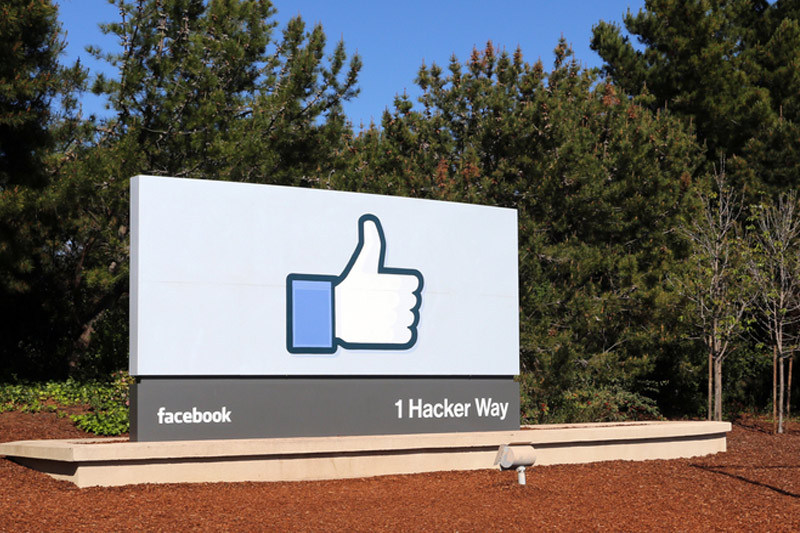
Citizens reiterated a Market Outperform rating with a $900 price target on Meta; the company reported 22% revenue growth and strong engagement (global time spent +17% YoY, U.S. time spent +13% YoY) which has led 5 analysts to raise earnings estimates. Erste upgraded Meta from Hold to Buy on AI investments and valuation, and Meta signed a multiyear AI content licensing deal with News Corp potentially worth up to $50M annually. Moody’s affirmed Meta’s Aa3 rating and expects revenue growth of >20% in 2026 and 18% in 2027; management is planning substantial capex increases to support AI by 2026.
Meta’s AI-driven engagement improvements create a two-front dynamic: advertisers will bid more aggressively for attention (raising price per ad impression), while the marginal cost base shifts materially higher because training and inference scale both capex (datacenters, accelerators) and opex (power, licensed content). That implies winners are not only the platform but also suppliers of GPUs, colo, and wholesale power where contract terms allow pass-throughs; losers are mid-tier ad platforms and publishers whose bargaining leverage weakens as one dominant buyer centralizes AI-enhanced inventory.
Time horizons matter. Over the next 2–6 quarters, the key margin swing will be driven by how quickly incremental ad pricing converts into gross profit after absorbing increased AI operating costs; by 12–24 months, the balance sheet impact of elevated multi-year capex and multi-year content licensing commitments becomes visible in cash flow and free cash flow conversion. Regulatory and licensing friction (content licensors pushing for higher per-token fees or usage restrictions) is a 12–36 month tail risk that can compress incremental monetization dramatically.
A pragmatic implementation view: treat Meta as a growth compounder with concentrated infrastructure exposure — if NVDA/TSMC supply remains tight, AI scale will become a supply-side limiter that increases effective marginal costs, not just revenue. Monitor three metrics closely each quarter: ad price per ENGAGED-minute, incremental gross margin on AI-driven ad revenue, and power/capacity utilization across leased colo vs owned DC footprints.
Contrarian angle — the market may be pricing perpetual operating leverage from engagement gains while underestimating structural margin leakages (content licensing, PPA inflation, chip scarcity). If licensors extract escalating royalties or if power contracts roll at higher rates, forward FCF could undershoot consensus by 20–30% over 2 years; conversely, early contract wins on fixed-price PPAs or custom silicon could re-lever FCF materially, making timing and setup of exposure critical.
AI-powered research, real-time alerts, and portfolio analytics for institutional investors.
Request DemoOverall Sentiment
strongly positive
Sentiment Score
0.60
Ticker Sentiment
