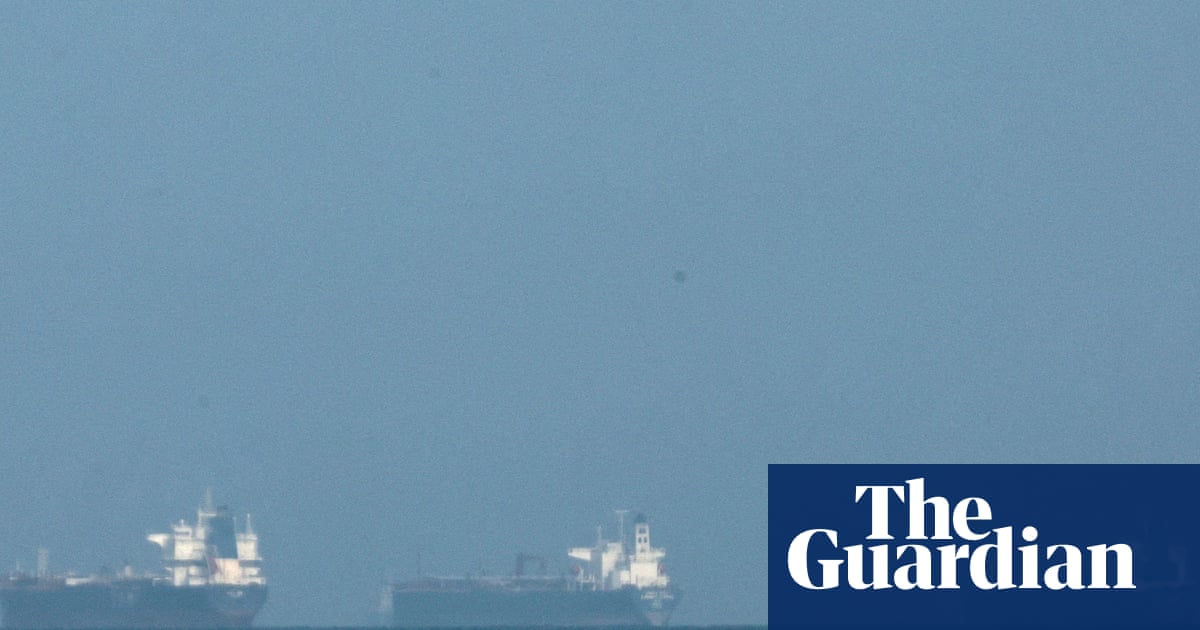
The US announced a $20bn reinsurance scheme to revive shipping through the Strait of Hormuz after Iran attacked at least 10 vessels and effectively shut the strait, cutting traffic from ~100 vessels/day to only a handful (only two non-Iran/Russia vessels crossed over the weekend). Oil spiked to $119/bbl (highest since 2022) before easing below $90 following calming rhetoric, while insurers and shippers report elevated risk (transponders turned off, sanctions-linked vessels dominating flows). Expect sustained volatility and elevated shipping/insurance premia until a diplomatic resolution (weeks) or longer if Iran adopts decentralized tactics, posing a material supply shock to global energy markets.
Global energy and shipping markets are bifurcating into a high-risk, high-premium corridor and a capital-safe corridor; owners with state backing, opaque registries or insurance captives will capture a disproportionate share of any marginal flows while truly commercial owners sit idle due to asymmetric tail risk. Rerouting around southern Africa or relying on ship-to-ship transfers materially lengthens voyage times (adding low-margin bunker burn and delay costs) and engineers a structural widening between spot freight and charter-in rates that will depress spot owner returns once voluntary transits resume.
Policy interventions that address downside liability (government-backed guarantees) create moral hazard: they lower owners’ downside but do not reduce the technical attack risk, meaning the first vessels to transit will be those least sensitive to reputational or secondary-sanctions exposure, not the marginal commercial crude cargo. The key catalysts are diplomatic engagement led by major Asian buyers (weeks if earnest, months if fragmented) versus a move to decentralized asymmetric attacks that raise persistent insurance “war risk” premia for quarters.
This sets up two trades: a volatility/sectoral dispersion trade (buy durable cash-flow energy exportors and defense primes; hedge shipping equities exposed to spot rates) and a mean-reversion squeeze if guarantees plus escorts briefly restore passage — that would crush freight vol within days. Position sizing should be asymmetric: allocate capital to convex option-like exposures to policy outcomes while keeping outright ownership of vulnerable tanker equities short-biased until visible normalization (clear naval & diplomatic coordination) occurs.
AI-powered research, real-time alerts, and portfolio analytics for institutional investors.
Request DemoOverall Sentiment
strongly negative
Sentiment Score
-0.65
