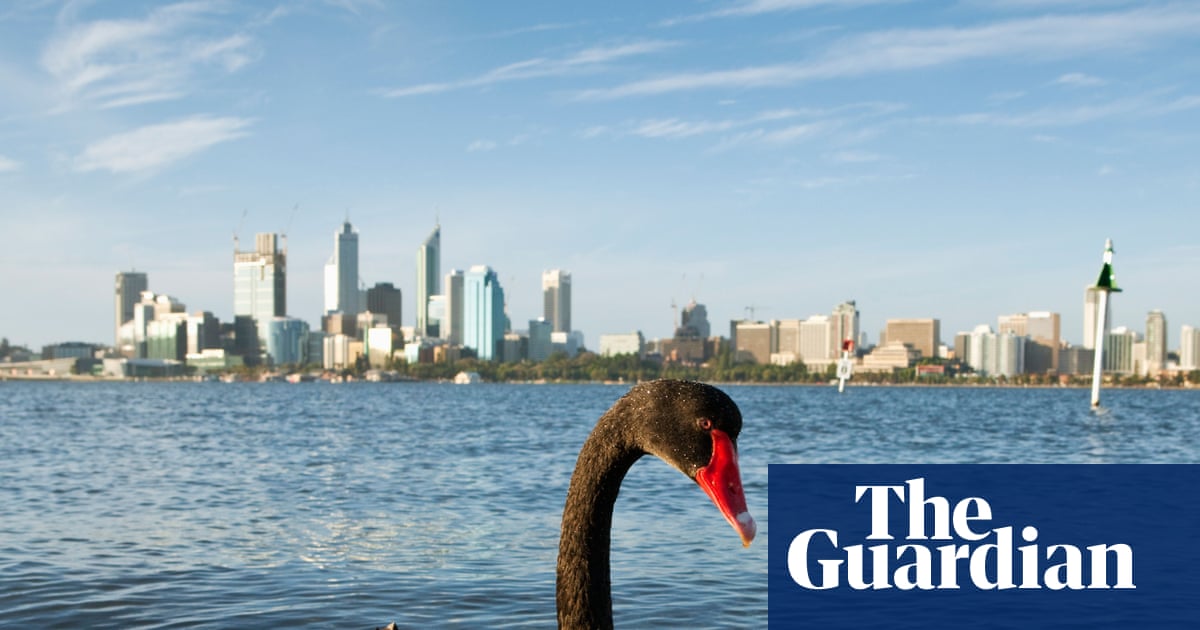
More than 150 of Australia’s native bird species and over 10 mammal species are assessed as very high risk if H5N1 bird flu spreads, with Western Australia’s black swans highlighted as especially vulnerable. Authorities confirmed the first detections in a brown skua and giant petrel near Esperance, but no further spread has been found so far. The article signals elevated biosecurity risk for wildlife and potentially sensitive regional ecosystems, though the direct market impact is mainly indirect.
The market implication is not a direct single-name trade but a regional biosafety shock with asymmetric second-order effects. Australia’s endemic wildlife exposure creates a non-linear liability for sectors tied to eco-tourism, coastal recreation, wetland access, and any business whose brand equity depends on the country’s “clean nature” premium; those cash flows are fragile because the damage can hit fast, while remediation and visitor recovery usually lag by quarters. The most immediate economic feedback loop is likely into local government spending, quarantine/logistics vendors, and agriculture-adjacent monitoring services rather than broad national equities.
The bigger investing signal is policy optionality. Once H5N1 becomes established in wild populations, the response curve shifts from containment to chronic management: more surveillance, movement restrictions, habitat interventions, and compensation programs. That tends to be margin-negative for small agribusiness and outdoor-recreation operators, but potentially supportive for diagnostics, biosecurity equipment, animal-health products, and environmental consulting. The highest-risk window is the next 1-6 months, when confirmation of sustained spread would trigger precautionary closures and media amplification; the multi-year risk is reputational erosion in tourism if Australia is perceived as losing a unique biodiversity advantage.
A contrarian point: consensus may be overemphasizing extinction headlines and underpricing localized economic disruption. Many endemic species are not investable assets, but the fear response can still hit regional visitation, port-side leisure, and public-sector budgets well before any nationwide animal-health crisis matters. On the other hand, if the current cases remain isolated, the trade should mean-revert quickly because the market will have paid up for a worst-case scenario that never becomes systemic. The key catalyst is not just new cases, but evidence of transmission in dense waterbird colonies, which would materially raise the probability of ongoing restrictions and a sustained biosurveillance capex cycle.
AI-powered research, real-time alerts, and portfolio analytics for institutional investors.
Request DemoOverall Sentiment
strongly negative
Sentiment Score
-0.55
