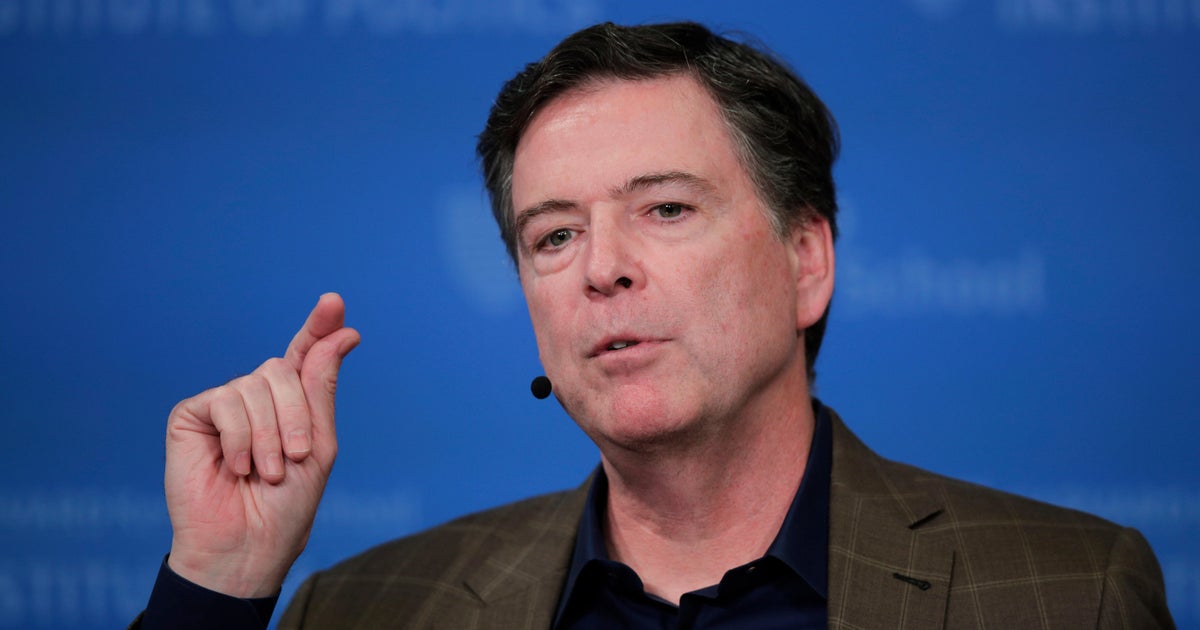
The DOJ’s lead prosecutor on the James Comey case has been removed from the docket, with Assistant U.S. Attorney Matthew Petracca replaced by Timothy Severo. The case, which centers on a May 2025 Instagram post showing seashells arranged as "86 47," is scheduled for October trial and has drawn criticism over selective and vindictive prosecution claims. The development adds uncertainty to an already controversial political-legal fight, but it is unlikely to have broad market impact.
This is less a market event than a signal that the administration’s litigation posture remains internally unstable, which modestly raises the probability of procedural error and dismissal risk in any politically charged DOJ case. The practical takeaway is that headline-driven prosecutions with weak evidentiary underpinnings tend to become duration assets for defendants: the longer they survive pretrial motions, the more they can be reframed as abusive process rather than substance, which erodes prosecutorial leverage over weeks and months.
The second-order effect is on institutional trust, not direct cash flows. If the case is perceived as selective enforcement, it marginally increases legal-risk premia for media, tech, and platform-adjacent names that host political speech, because the boundary between protected speech and actionable threat becomes more contested in future disputes. That usually benefits large, well-capitalized incumbents with stronger compliance and litigation reserves while hurting smaller political-content businesses and any intermediary that depends on clear safe-harbor rules.
Catalyst-wise, the near-term risk is a motion-to-dismiss cycle and further personnel churn at DOJ over the next 1-3 months; the medium-term catalyst is whether the judge narrows or tosses the case, which would damage the credibility of any parallel politically fraught prosecutions. The contrarian angle is that the market may be overestimating the chance of a clean legal reset: even if the indictment fails, the broader policy signal is that enforcement in politically salient speech cases will stay noisy and asymmetric, which can keep legal uncertainty elevated into the 2026 election window.
AI-powered research, real-time alerts, and portfolio analytics for institutional investors.
Request TrialOverall Sentiment
mildly negative
Sentiment Score
-0.15
