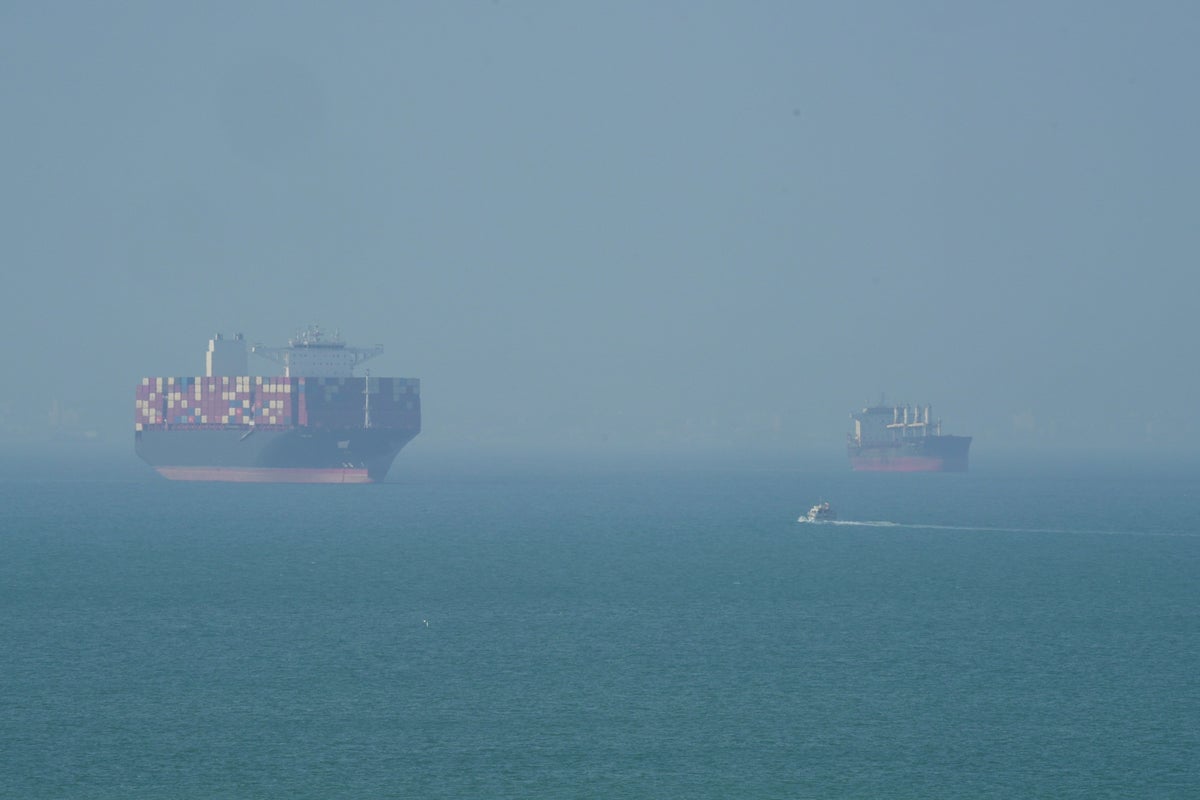
Trump has directed his team to prepare an extended blockade of Iran as talks remain deadlocked, signaling a further escalation in the Middle East conflict. The World Bank warned energy prices could surge 24% in 2026 if the most acute disruptions from the war end in May, highlighting a material inflation and growth risk. The article also notes criticism over the Pentagon’s silence on the deadly Minab school strike and Trump’s assertion that Iran must never obtain a nuclear weapon.
The market is underpricing how quickly a protracted Iran blockade can migrate from a geopolitical headline into a cross-asset inflation shock. The first-order move is obvious: higher crude and refined-product volatility. The second-order effect is that energy becomes a tax on every non-energy cyclical, with the largest margin compression likely in chemicals, airlines, trucking, industrials, and European manufacturers that rely on imported feedstock and freight stability.
The bigger macro risk is that this becomes a policy trap for central banks. If energy re-prices stay elevated into the next few print cycles, breakevens can widen while growth expectations soften, creating a stagflationary mix that hurts duration-sensitive equities and credit. The timing matters: a days-to-weeks escalation is mostly about headline vol, but a months-long blockade would force earnings revisions through input costs, consumer demand, and capex deferrals.
The most interesting second-order winner is domestic North American energy infrastructure and midstream, not just upstream producers. If Middle East flows become structurally less reliable, the market may revalue secure transport, storage, LNG, and export optionality as quasi-strategic assets. That benefit can persist longer than the geopolitical premium in spot oil because it reflects a willingness to pay for supply certainty.
Consensus may be too focused on an oil spike and not enough on the probability of a reversal mechanism. If the blockade meaningfully damages global growth, the response function shifts toward diplomacy, SPR releases, or sanctions carve-outs, which would cap the upside after the initial move. In other words, the cleanest trade is not a blind energy long; it is owning volatility and relative winners with limited bleed if the situation de-escalates.
AI-powered research, real-time alerts, and portfolio analytics for institutional investors.
Request DemoOverall Sentiment
strongly negative
Sentiment Score
-0.62
