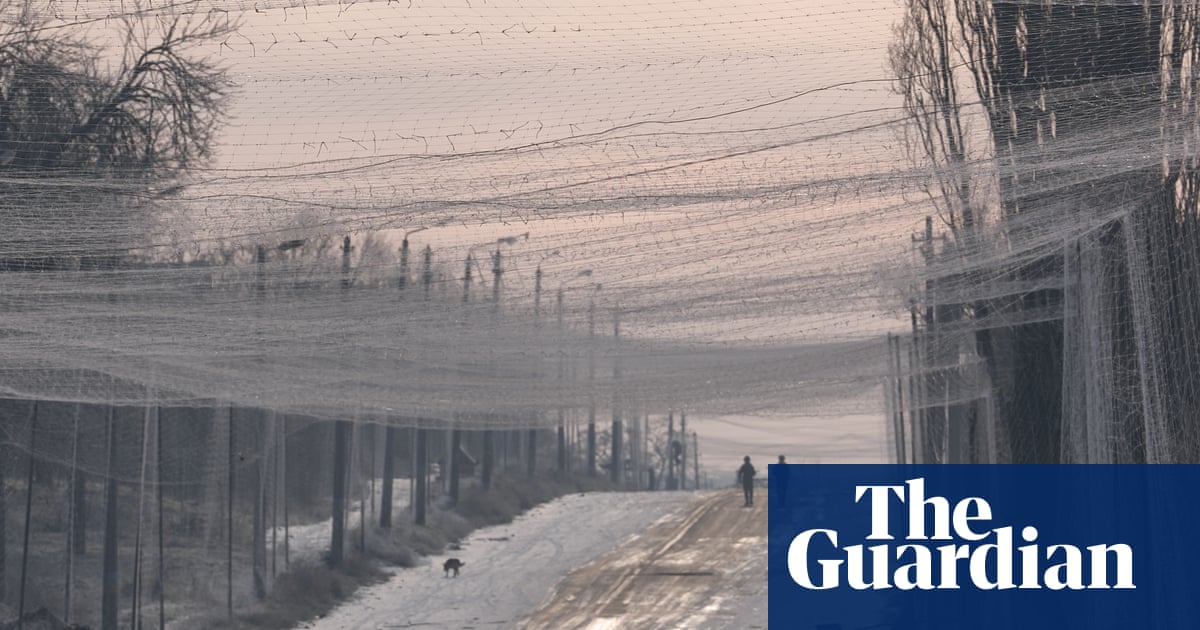
Russian forces are reported to be inching within about 1 kilometre of Kostiantynivka in Ukraine’s Donetsk region, intensifying pressure on the fortress belt in the east. Separately, Russian drone and air strikes killed two people and wounded at least 13 in Kherson and Sumy, while a strike also damaged port infrastructure in Odesa. The report also notes a planned drawdown of 5,000 US troops from Germany and North Korea’s continued political mobilization tied to support for Russia’s war effort.
The market implication is less about the immediate battlefield line and more about the widening probability distribution for European security spending. A slow, grinding advance toward a fortified eastern corridor tends to extend the war rather than resolve it, which is bearish for European industrial production, capex confidence, and cross-border logistics, while keeping defense budgets sticky at elevated levels for multiple fiscal cycles. The strongest second-order effect is that every incremental escalation makes “temporary” NATO burden-sharing look more permanent, supporting defense primes, munitions suppliers, and command-and-control vendors over the next 12-36 months.
For the supply chain, the civilian strike pattern matters because it increases the odds of localized port and road disruptions without necessarily changing the broader war map. That creates a premium for firms with exposure to Baltic, Black Sea, and Central European rerouting, but a discount for shippers, insurers, and commodity handlers with Ukraine-adjacent operational footprints. If attacks intensify around ports, the near-term winner is alternative routing and inland logistics; the loser is any asset base that depends on stable Black Sea throughput, especially in grain, metals, and containerized trade.
The US troop redeployment headline is a subtle negative for Germany but a positive for European defense allocators and US strategic munitions names. The message is that Washington is not reducing its military commitment to Europe, only changing the mix; that should keep the demand floor intact for long-range strike, air defense, and hardened communications. The North Korea linkage is a reminder that the conflict is still a labor-and-ammunition war, so any additional external manpower or shells extends duration and raises the expected value of stockpiled munitions capacity.
Consensus may be underpricing duration risk: markets often fade war headlines once front lines move slowly, but slow movement is exactly what maximizes cumulative attrition and budget leakage. The cleaner trade is not a broad macro risk-off, but selective exposure to defense, cyber, and logistics rerouting while avoiding assets that need a near-term ceasefire to re-rate. If this drifts into another quarter of incremental escalation, the lagged winners should keep outperforming even if headline intensity temporarily cools.
AI-powered research, real-time alerts, and portfolio analytics for institutional investors.
Request DemoOverall Sentiment
strongly negative
Sentiment Score
-0.60
