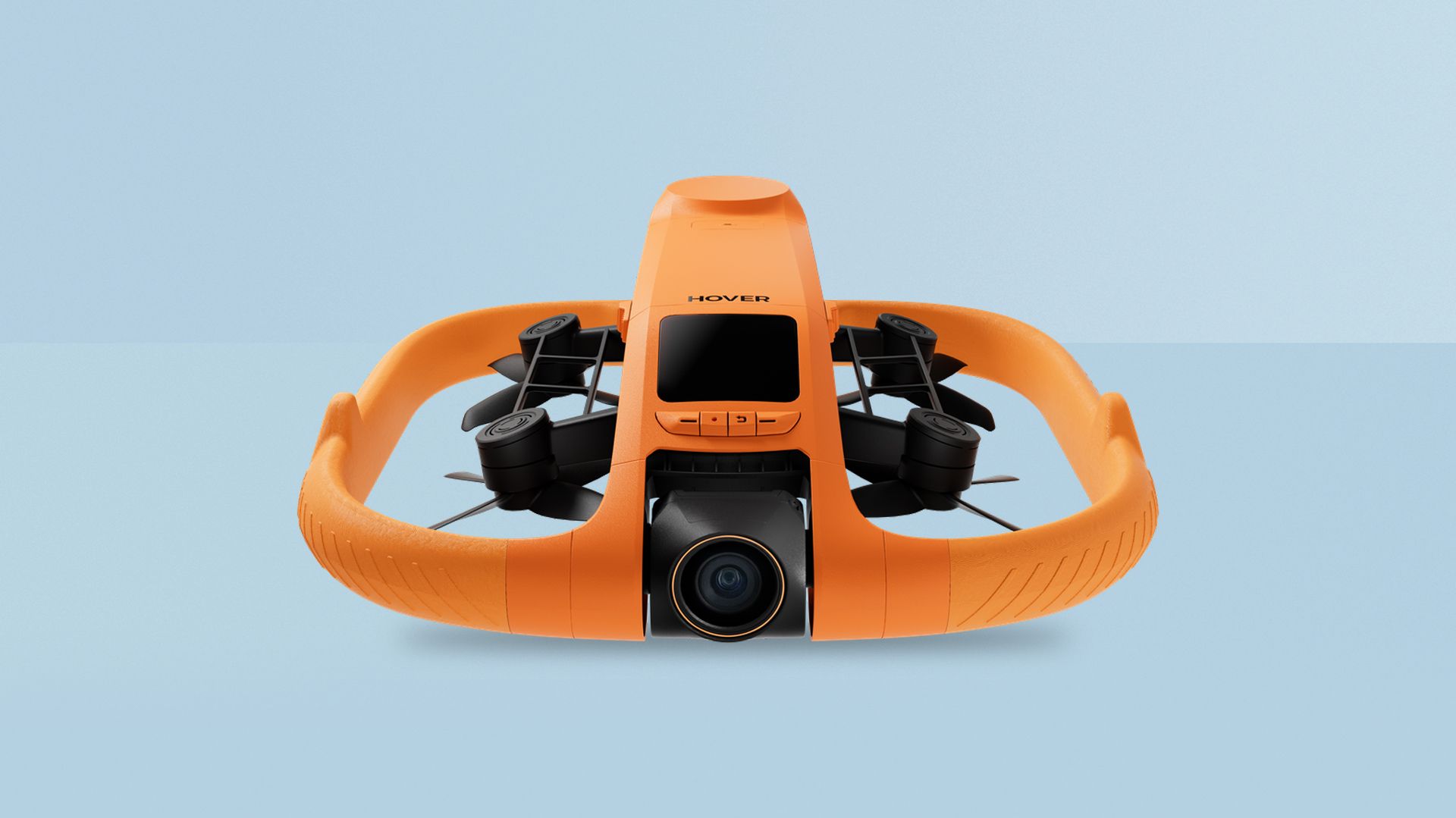
HoverAir's Aqua waterproof self-flying camera is now available in more than 50 countries, with pricing starting at £1,129 for the Standard Combo and £1,299 for the Fly More Combo. The drone can take off from water, float after a crash, and relaunch, while offering autonomous tracking up to 55km/h and 4K video at up to 100 fps. The launch is positive for HoverAir's niche consumer drone offering, though the US remains unavailable due to administrative and regulatory complexities.
This is less a drone story than a category-creation attempt in outdoor content capture. The real economic prize is not unit volume in consumer drones, but a premium niche where users are willing to pay for “zero-fuss” capture and where the value proposition is tied to participation, not piloting; that expands the addressable market beyond hobbyists into watersports, tourism, and creator-led commerce. If the product works reliably, it pressures incumbents to add waterproofing and autonomous follow modes faster than their roadmap cadence typically allows, while also forcing action-camera brands to defend against a device that can replace a human cameraman in motion-heavy use cases.
The second-order winner may be accessory and channel ecosystems rather than the drone brand itself. Waterproof, corrosion-resistant, and wearable-control features create pull-through demand for mounts, spare batteries, storage, and service plans, but also increase return-risk if durability claims don’t hold in saltwater environments; that makes post-launch review velocity the key near-term catalyst over the next 4-8 weeks. The U.S. delay is strategically important: it may cap near-term revenue but also creates a free option on regulatory resolution, while giving the company time to build social proof in Europe before confronting the largest single market.
Contrarianly, the market may be overestimating how quickly this becomes a mainstream consumer win. The hard part is not waterproofing; it is autonomy in cluttered, reflective, high-wind marine environments where edge-case failures are expensive and highly visible, so even a small failure rate can suppress conversion and inflate support costs. If this launches successfully, the competitive response is likely to come from larger incumbents bundling similar features into adjacent platforms, which could compress pricing and limit the upside to a short-lived first-mover premium.
AI-powered research, real-time alerts, and portfolio analytics for institutional investors.
Request TrialOverall Sentiment
mildly positive
Sentiment Score
0.35
