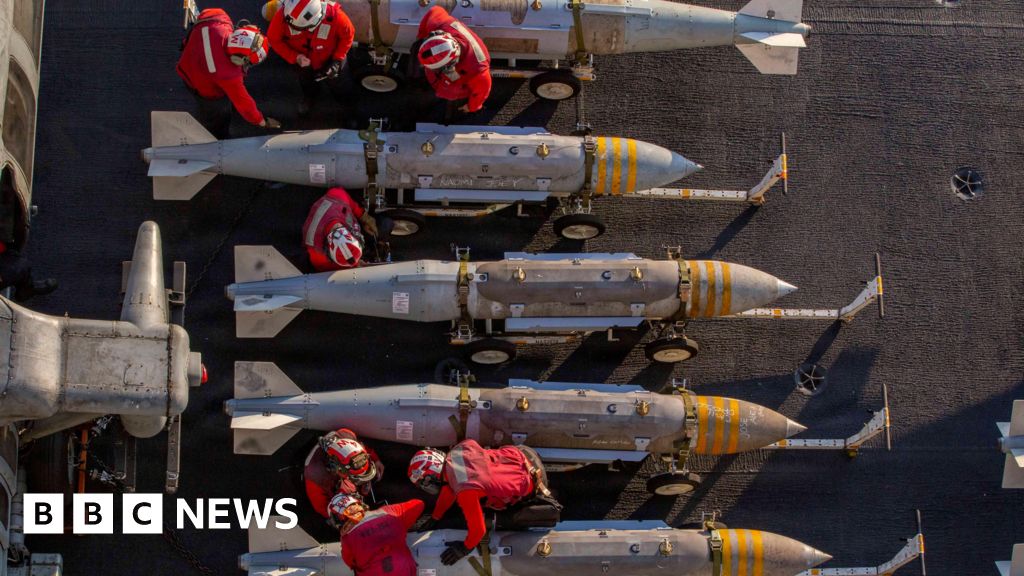
Sustained high-tempo strikes have rapidly drawn down munitions on both sides: the INSS estimates the US and Israel have conducted >2,000 strikes while Iran has launched 571 missiles and 1,391 drones, and US Centcom reports Iranian ballistic launches down 86% and drone launches down 73% since day one. The US has shifted from long‑range stand-off weapons to cheaper JDAMs, but air-defence interceptors (Patriot interceptors cost >$4m each, ~700 produced annually; CSIS estimates ~1,600 in US stockpiles) and precision munitions face depletion, prompting a White House meeting with defence contractors and implying higher defence spending, supply‑chain pressure and elevated geopolitical risk premia for markets.
Market structure: Producers of precision munitions, air-defence interceptors and sustainment (RTX, LMT, NOC, LHX) are clear near-term winners as demand outstrips production capacity (Patriot interceptors ~1,600 stockpiled, ~700/yr build rate). Commercial aviation, leisure travel, and Israel/region-facing cyclicals (AAL, UAL, DAL, MAR) are losers due to route closures and insurance spikes; energy exporters and commodity producers gain pricing power. Supply/demand imbalance will be acute for interceptors and specialised guidance kits (JDAM demand shifts from Tomahawk to cheaper stand-in munitions), raising ASPs and margins for primes over 3–12 months.
Risk assessment: Tail risks include escalation to strikes on Gulf oil infrastructure (oil +$20/barrel shock), wider regional war drawing in US forces, or sanctions disrupting defense supply chains (months). Immediate (days): safe-haven flows (gold, USD, Treasuries); short-term (weeks–months): defense contractors re-rate if order flow materialises; long-term (quarters–years): higher baseline defense spending but stretched production capacity. Hidden dependency: munitions rely on specialised sub-suppliers (electro-optics, RF semiconductors) where single-node failures can bottleneck fulfillment.
Trade implications: Favoured tactical plays: buy 2–3% exposure in RTX and LMT equities and 1% of portfolio in 9–12 month LEAP calls (25–35% OTM) to lever upside if procurement spikes; buy XAR ETF (1–2%) to capture smaller primes. Hedge with short airline ETF JETS (1–2%) and buy GLD (1–2%) or 3–6 month out-of-the-money oil call spreads (WTI $5–10 wide strikes) sized 1% risk. Use pairs: long RTX vs short AAL to isolate defense vs commercial aerospace.
Contrarian angles: Consensus underestimates production lead times and supply-chain bottlenecks, so early rallies in primes can be reversed if order delivery misses quarterly targets; that makes options asymmetry attractive. Historical parallels: 1990s Gulf spikes produced multi-year defense budget tailwinds, not permanent commercial airline collapses; unintended consequence: aggressive Patriot draws could create Pacific readiness gaps — political risk that could force accelerated procurement and further lift primes' backlog over 12–36 months.
AI-powered research, real-time alerts, and portfolio analytics for institutional investors.
Request TrialOverall Sentiment
moderately negative
Sentiment Score
-0.35
