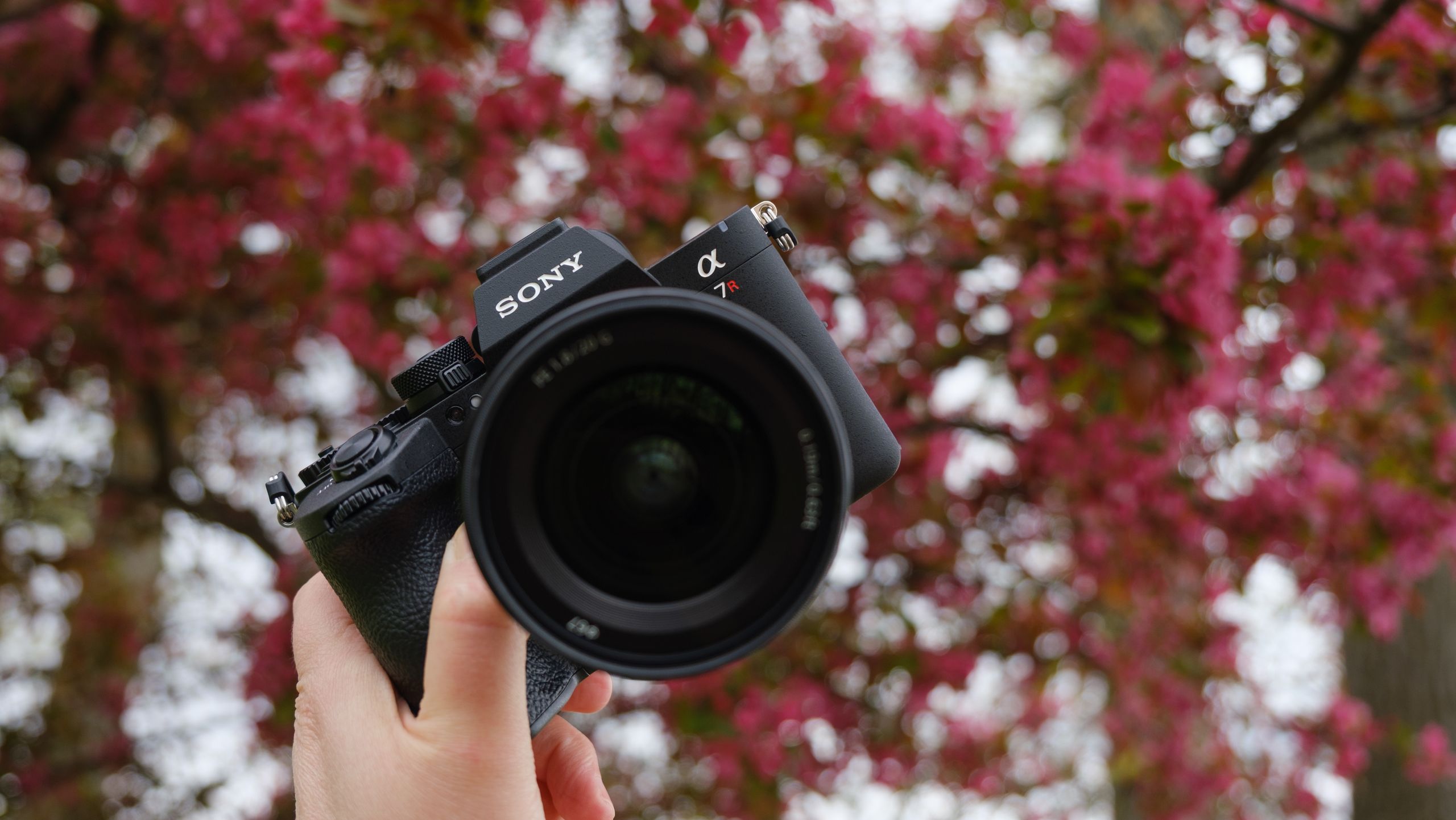
Sony launched the A7R VI with a new 67MP fully stacked full-frame sensor, 30fps burst shooting, and 8K30p video, representing a significant upgrade in both resolution and speed versus the A7R V's 10fps. The camera also adds AI-assisted autofocus and white balance, improved stabilization to 8.5 stops, and a brighter EVF. While the announcement is product-positive for Sony's imaging lineup, the market impact is likely limited to the camera and lens segment rather than broader equities.
SONY is using the high-end stills segment to showcase a broader operating-system advantage: sensor readout, AI-assisted AF, and power/thermal management are converging fast enough that the historical tradeoff between resolution and speed is breaking down. That matters because it extends the premium upgrade cycle beyond image quality into workflow efficiency; once a pro can shoot high-res bursts without compromising hit rate, the justification for a body replacement becomes much stronger and less price-sensitive.
The second-order winner is not just Sony imaging, but the adjacent ecosystem: lenses, storage, batteries, grips, and editing hardware all see higher attach rates when frame counts and file sizes rise. Competitors with slower product cadence or weaker computational imaging stacks will be forced into either spec-sheet matching or price discounting, both of which compress margin. The risk is that this becomes a halo product with limited unit volume; if launch inventory is constrained or the premium is too steep, the demand signal may disappoint even if the product is technically best-in-class.
The main catalyst over the next 1-2 quarters is whether this drives measurable share gains in the sub-$4k to $6k enthusiast/pro market and pulls forward lens upgrades. A failure mode is that 30fps sounds compelling but only a subset of buyers actually needs it, so the uplift in bodies may be offset by mix pressure or cannibalization of lower-margin models. Another watchpoint is whether rivals respond with aggressive rebates on existing high-res bodies, which could blunt ASP upside before Sony can harvest the halo.
The contrarian view is that the market may overestimate how much AI and burst speed matter versus sensor quality and lens ecosystem lock-in; if so, the stock reaction could fade after the launch window. Still, the more important implication is strategic: Sony is defending premium share by making the camera more like a computational device, which raises switching costs and deepens platform stickiness beyond a single product cycle.
AI-powered research, real-time alerts, and portfolio analytics for institutional investors.
Request DemoOverall Sentiment
moderately positive
Sentiment Score
0.45
Ticker Sentiment
