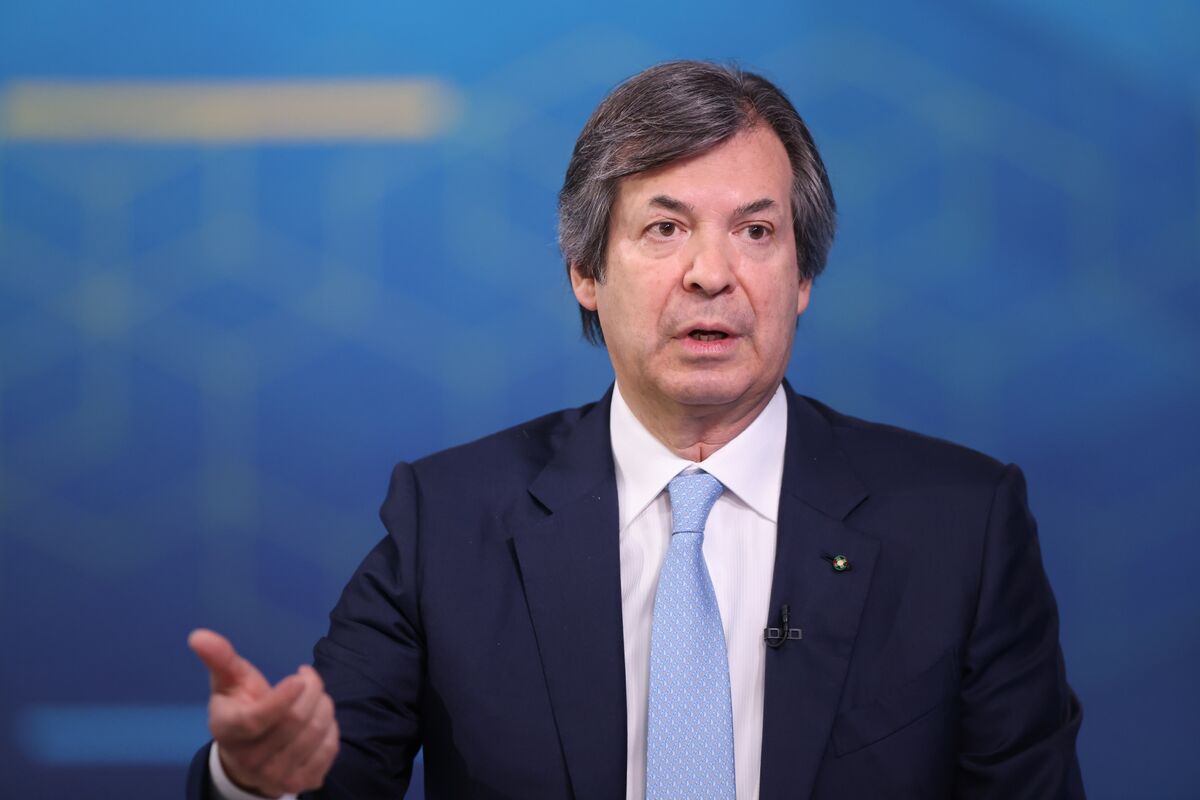
Intesa Sanpaolo values Banca Monte dei Paschi di Siena at more than €30 billion and says it is prepared for counterbids, implying the deal could become a bidding war. CEO Carlo Messina said the outcome will be determined by price, signaling competitive tension rather than a finalized transaction. The news is constructive for deal optionality but remains early-stage and primarily affects the two banks involved.
The real market signal is not the bid itself, but that management is effectively inviting a price auction. In European bank M&A, the first offer often becomes a coordination device for regulators and rival boards: once a public number is printed, the bar for “strategic necessity” rises and any counterparty must justify not just economics but political optics. That increases the probability of a short, noisy process rather than a clean takeover, which tends to compress volatility in the target only after the market has priced in a decent completion premium.
Second-order, the winner is likely the institution with the cleanest capital narrative rather than the highest nominal bid. A bidder that needs heavier integration, more restructuring, or a tougher regulatory path will face a higher effective purchase price because the market will discount delayed synergies and future capital calls. That dynamic should pressure weaker regional lenders with merger optionality: they lose the ability to be seen as standalone consolidators and instead become potential targets if they cannot prove scale and funding resilience.
The key tail risk is an escalation from “strategic competition” into political interference, especially if the process starts to look like a national champion contest rather than a normal valuation exercise. On a months-long horizon, the biggest reversal catalyst is a regulator forcing concessions on branch closures, employment, or market share, which can wipe out 10-20% of expected synergies and turn a premium bid into an earnings diluter. In the next several days, headline risk is symmetric: any rumor of a higher counteroffer can re-rate the target, but any sign of bid discipline from the buyer can quickly unwind that move.
Contrarian view: the market may be overestimating how much optionality a public counterbid war creates. In European banks, financing capacity is not the binding constraint; execution and political acceptability are. That means the “winner” may simply be the party that avoids overpaying, and the best trade is often to fade the most crowded takeover premium rather than chase it.
AI-powered research, real-time alerts, and portfolio analytics for institutional investors.
Request DemoOverall Sentiment
neutral
Sentiment Score
0.15
