
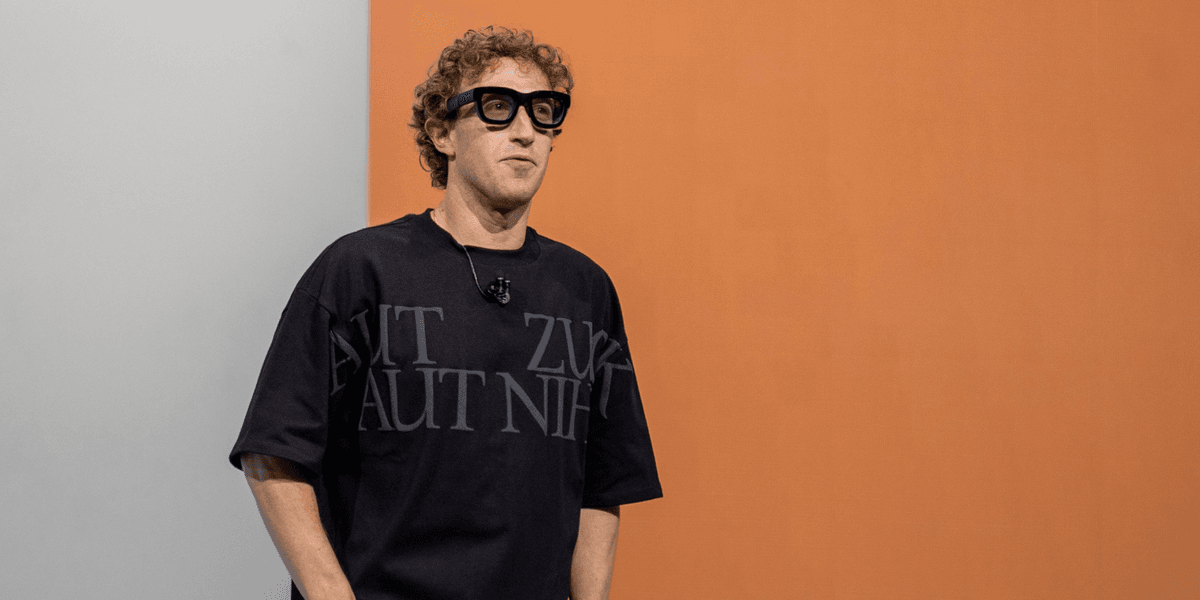
The ACLU and 75+ rights groups warned Meta to abandon reported plans to add facial recognition to its AI-powered Ray-Ban and Oakley glasses, calling the technology an invasive privacy and surveillance risk. The letter demands Meta halt deployment plans, disclose any prior stalking/harassment incidents, and reveal discussions with law enforcement, including ICE. The issue is negative for Meta’s product and governance optics, but likely a limited near-term stock catalyst.
This is not a near-term revenue event; it is a brand-and-regulatory optionality reset for META’s wearables strategy. The market will likely underprice the asymmetry because the direct financial exposure is small, but the second-order risk is that consumer glasses become a compliance battleground that slows adoption, raises product liability, and increases friction with app-store/platform partners and advertisers. Even a modest delay in scaling the category matters because the bull case for Meta’s hardware ecosystem depends on habit formation and low-friction mainstream trust, not just unit shipments.
The bigger overhang is that this invites a broader policy stack: privacy groups push, lawmakers echo, state AGs probe, and then Meta has to spend months defending product design choices instead of monetizing engagement. That can create a drag on management bandwidth and increase the probability of feature gating, region-specific restrictions, or opt-in defaults that reduce the utility of the product. The most important second-order effect is that any perception of “always-on identification” could spill into other consumer AI hardware names, especially those reliant on cameras/mics and cloud inference.
Contrarian view: the headline risk may be larger than the economic risk. Consumers may actually reward clear safety controls, and a hard “no facial recognition by default” stance could become a competitive moat versus less trusted device makers. If Meta quickly formalizes guardrails and frames this as privacy-preserving AI, the controversy could convert into a differentiator rather than a demand destroyer. The key catalyst window is days to weeks for sentiment, but the real risk/reward lives over 3-12 months as product policy and regulatory precedent get set.
AI-powered research, real-time alerts, and portfolio analytics for institutional investors.
Request TrialOverall Sentiment
moderately negative
Sentiment Score
-0.45
Ticker Sentiment
