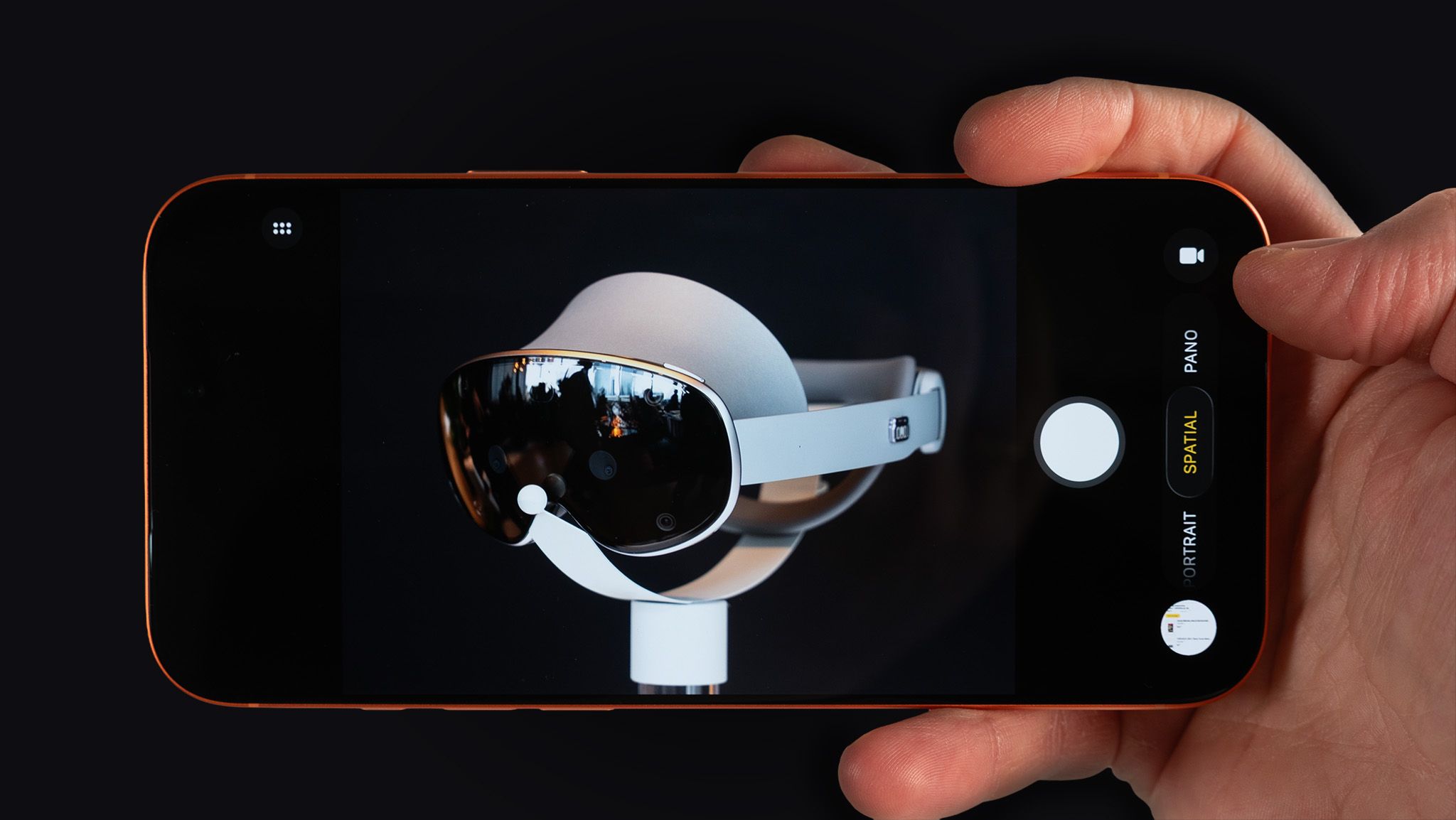
Google and Samsung have launched the Android XR operating system and the Galaxy XR headset, positioning it as a robust platform capable of running all Android apps in VR. However, the new ecosystem's potential, particularly for delivering immersive spatial (3D) content, is significantly hampered by the lack of native spatial photo and video capture capabilities on modern Android smartphones, a feature seamlessly integrated into Apple's recent iPhone models. While Samsung's Galaxy S25 Ultra possesses superior 4K spatial video capture technology, its current implementation as a hidden feature rather than a standard offering creates a competitive disadvantage for the Android XR platform in providing a cohesive and user-friendly content creation experience compared to Apple's integrated approach.
Google and Samsung have jointly launched the Android XR operating system and the Galaxy XR headset, positioning it as a significant contender in the VR market. The new OS is notable for its ability to run all Android applications in a virtual reality environment, a feature highlighted as outpacing both Meta and Apple in this specific metric. The Galaxy XR is touted as an "entertainment powerhouse," with a key pillar being the viewing of spatial (3D) photos and videos. Despite the platform's potential, a significant limitation is the absence of native spatial photo and video capture capabilities on modern Android smartphones. This contrasts sharply with Apple's recent iPhone models (15, 16, 17 Pro Max), which seamlessly integrate spatial content capture. Android users currently rely on secondary devices like the Xreal Beam Pro or AI-driven 2D-to-3D conversion, which the article notes as inferior to native capture. Intriguingly, Samsung's Galaxy S25 Ultra possesses a hidden feature enabling 4K spatial video capture, surpassing the iPhone 17 Pro Max's 1080p capability. However, this feature is not standard or easily accessible, creating a fragmented and "second-rate experience" for Android users when attempting to import content into platforms like Meta Horizon. This lack of a unified spatial capture standard across Android devices undermines the Galaxy XR's entertainment potential and presents a competitive disadvantage against Apple's integrated ecosystem.
AI-powered research, real-time alerts, and portfolio analytics for institutional investors.
Request DemoOverall Sentiment
moderately negative
Sentiment Score
-0.50
Ticker Sentiment
