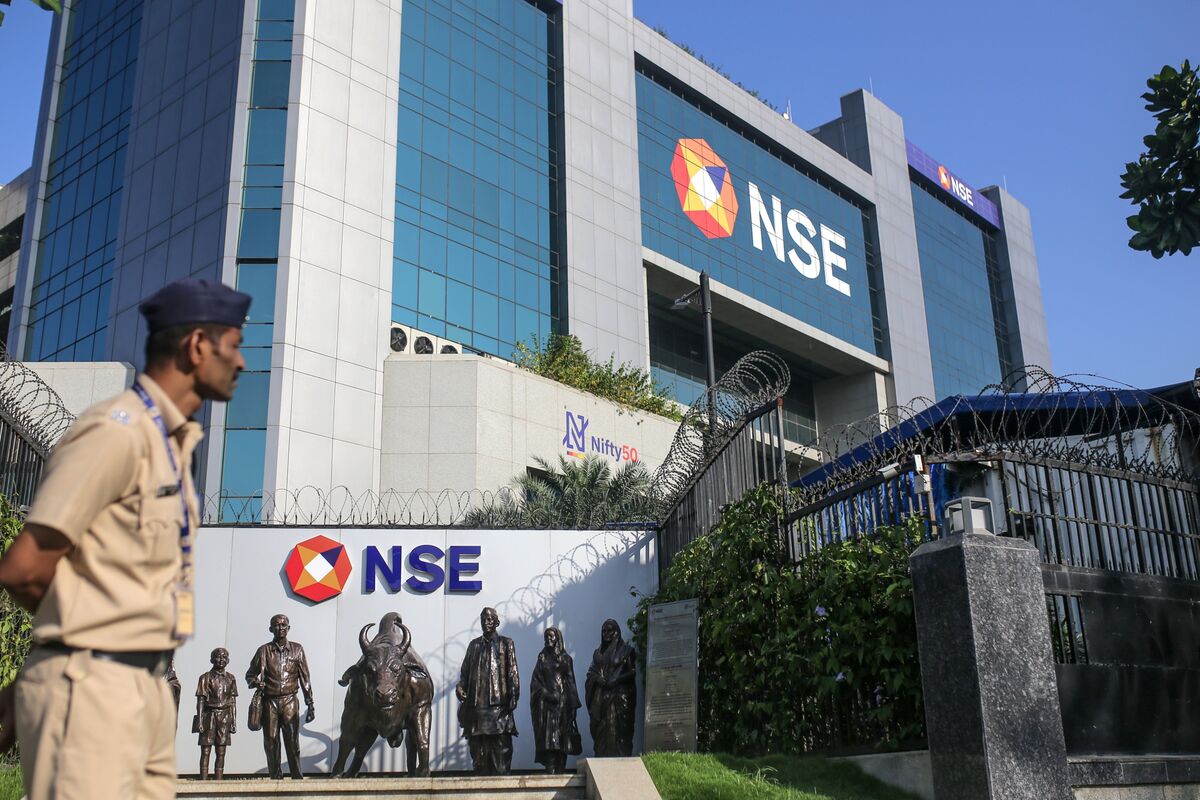
NSE’s planned IPO is set to unlock massive gains for early backers, with State Bank of India expected to realize about 50 billion rupees ($529 million) from selling 24.75 million shares at an implied gray-market price of 2,055 rupees each. SBI’s investment made between 1993 and 1999 is up nearly 2,568-fold, excluding the value of its remaining stake. The story highlights the value creation from one of India’s most significant listings, though it is mainly a pre-IPO valuation update rather than a market-moving event.
The real signal here is not the one-time monetization event, but the validation of India’s private-market liquidity stack. A marquee exchange monetization at a rich implied clearing price should tighten the pricing gap between listed India financials and their unlisted counterparts, especially for institutions that have been using the gray market as a proxy for strategic value. That can pull fresh capital toward pre-IPO financial infrastructure names and exchanges, while also encouraging other long-dated strategic holders to test supply into any strength.
The second-order effect is on flow, not fundamentals: if this deal clears near the top of the unlisted range, it creates a reference point that could catalyze a broader re-rating of Indian market-structure assets over the next 1-3 months. That is supportive for global EM allocators looking for durable fee pools and recurring transaction activity, but it also raises the bar for follow-on offerings elsewhere in India — more supply can arrive quickly if the market perceives a receptive tape, which can cap near-term upside.
The main risk is that the gray-market price is a poor anchor once real float hits the market. If primary issuance is paired with secondary selling from early holders, the first 2-6 weeks can see a classic supply overhang: strong headline demand, softer aftermarket performance, and a reversal in unlisted valuations if the deal prices aggressively. A broader risk-off move in EM or a domestic liquidity squeeze would hit the most levered beneficiaries first because the trade is currently more about sentiment and scarcity value than immediate earnings accretion.
From a contrarian lens, the consensus may be overestimating how much this monetization benefits the banks and underestimating how much it benefits the ecosystem of intermediaries, custodians, and domestic brokers that facilitate the whole pipeline. The incremental winner is likely the set of firms with the highest exposure to recurring capital-market activity rather than one-off ownership stakes. If the IPO succeeds, expect a second-order uplift in pipeline confidence and a faster cadence of listings, but not necessarily a durable rerating unless volumes hold post-listing.
AI-powered research, real-time alerts, and portfolio analytics for institutional investors.
Request DemoOverall Sentiment
moderately positive
Sentiment Score
0.55
Ticker Sentiment
