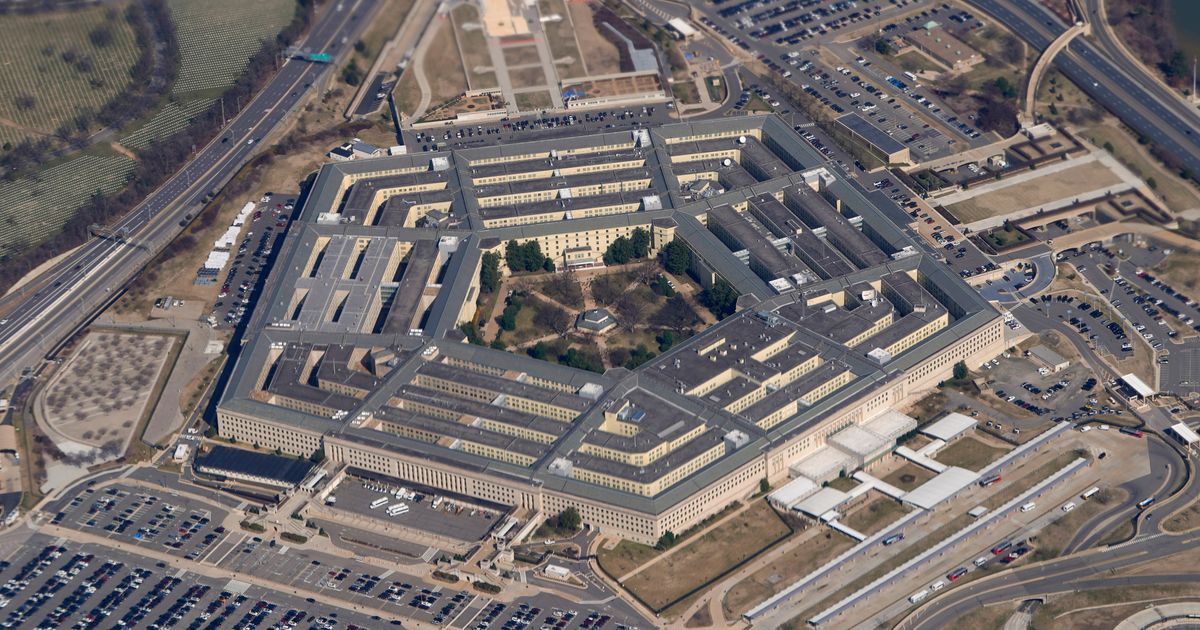
The Pentagon said it has partnered with seven tech companies — including Google, Microsoft, Amazon Web Services, Nvidia, OpenAI, Reflection and SpaceX — to integrate AI into classified military systems and improve warfighter decision-making. The announcement underscores accelerating U.S. defense adoption of AI, while also highlighting ongoing legal and policy tensions over guardrails, autonomy, and surveillance. The development is strategically significant for the defense and AI sectors, but it is primarily a government procurement and capability update rather than a broad market catalyst.
This is less a headline about AI adoption than about procurement standardization inside the Pentagon. Once a handful of vendors are embedded in classified workflows, switching costs compound through model fine-tuning, security accreditation, and integration into mission systems, creating a durable annuity layer for the winners even if near-term revenue is small. The bigger second-order effect is that defense becomes a credibility signal for regulated enterprise buyers: “approved for classified use” will become a shorthand for security, governance, and uptime, widening the moat for the incumbents that clear the bar.
The competitive read is that Microsoft and Google gain the most strategically because defense adoption reinforces their broader cloud distribution, while Nvidia benefits from the hardware pull-through that comes with more inference and secure on-prem deployments. OpenAI’s win is more binary: it strengthens its position as the default model layer in sensitive environments, but also increases dependence on policy tolerances and contract language that can be revisited if autonomous-use concerns resurface. The overlooked loser is any AI vendor that is strong on safety branding but lacks willingness to accept permissive end-use terms; their addressable market may shrink faster than expected in government and adjacent sectors.
The main risk is not demand evaporation but political and legal re-rating. Any incident involving autonomous targeting, surveillance, or model misuse could trigger a procurement pause, not just for one vendor but for the whole category, and that risk sits on a 3-12 month horizon rather than days. Near term, the more likely catalyst is incremental budget allocation and broader deployment through existing platforms, which should help the theme grind higher even without a single large contract announcement.
Consensus may be underestimating the margin impact for the hardware layer versus the model layer. Defense workloads skew toward secure, high-availability, often non-commodity deployments, which tends to favor the chip and infrastructure stack over API-only economics; that makes NVDA’s defense exposure more levered than it appears. The contrarian trade is that the legal overhang could keep some software names cheap while the infrastructure beneficiaries re-rate quietly in the background.
AI-powered research, real-time alerts, and portfolio analytics for institutional investors.
Request DemoOverall Sentiment
neutral
Sentiment Score
0.15
Ticker Sentiment
