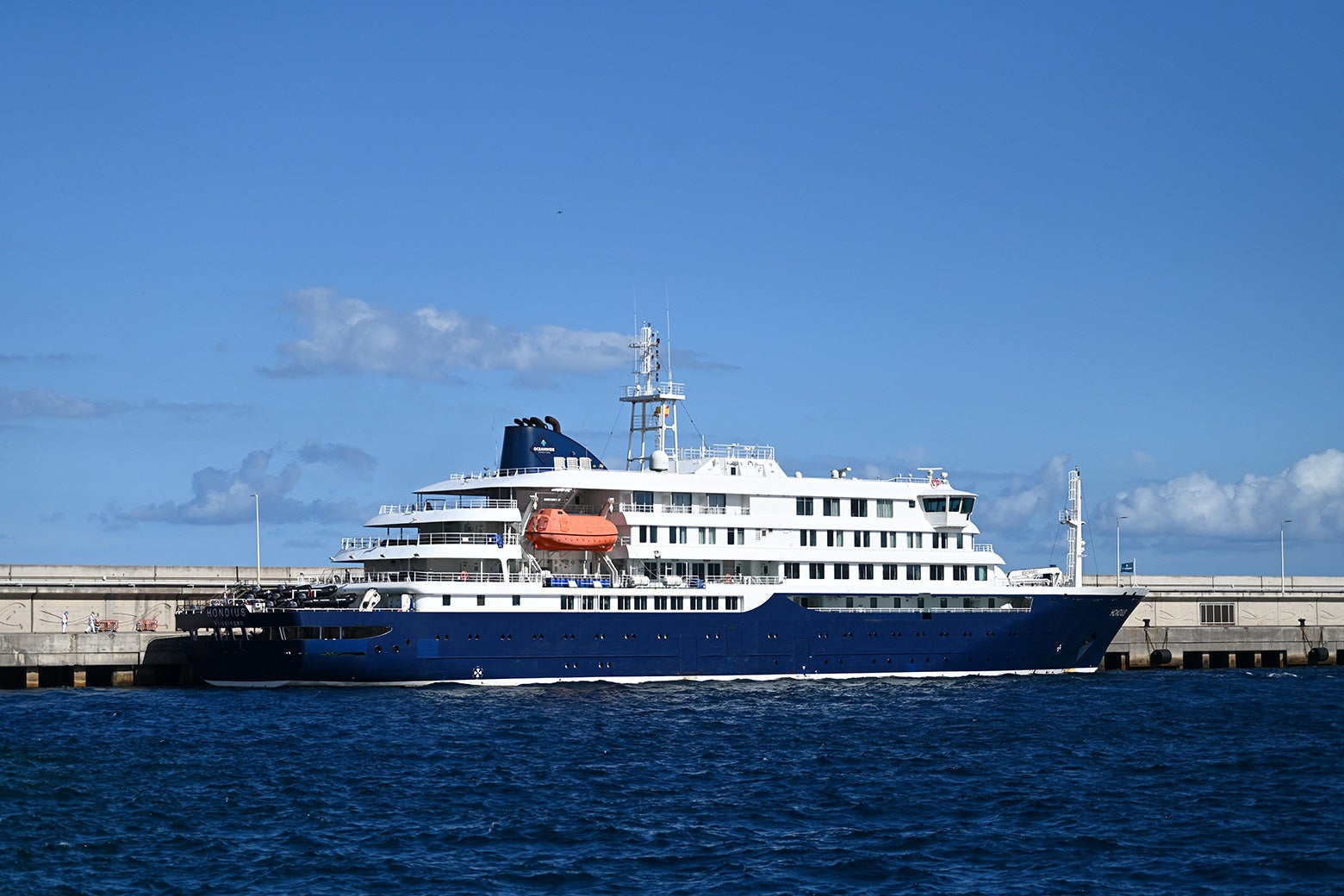
Cruises are presented as meaningfully higher-risk environments for infectious disease, with examples including the Diamond Princess, MV Hondius hantavirus cases, and a norovirus outbreak on Ambition. The article cites a 2022 contact-tracing study showing the average cruise passenger had 20 unique close contacts per day, while one 105-day around-the-world cruise saw about 20% of passengers visit the ship doctor for infections. The overall message is cautionary but balanced, noting practical mitigation steps rather than issuing a blanket warning against cruising.
The market implication is not simply “cruise lines are risky”; it is that the sector’s demand elasticity is more sensitive to a visible outbreak than to the underlying baseline infection rate. That creates a lumpy reputation discount: one headline can suppress booking conversion for weeks, while the actual earnings hit is usually delayed into future sailings via softer pricing and higher promotions rather than immediate cancellation shocks. The secondary beneficiaries are alternative leisure and short-haul travel formats that are less contagion-prone and less operationally rigid, because travelers seeking family convenience will reallocate to land-based all-inclusives before they fully abandon discretionary travel.
The key second-order risk for cruise operators is that public-health events raise both direct costs and hidden friction costs. Directly, you get on-board medical spend, itinerary disruptions, and cabin-isolation operational drag; indirectly, you get more conservative booking behavior from older travelers and families, which pressures premium cabins where margin contribution is highest. In contrast, the economic damage is usually not permanent unless outbreaks become frequent enough to trigger regulatory tightening, higher insurance costs, or materially more cautious underwriting by port authorities over the next 6-18 months.
What the consensus may be missing is that cruise resilience is stronger than the headlines suggest because the customer is buying convenience and bundle value, not just transportation. That means the industry can often offset scare cycles with pricing discipline if macro leisure demand remains intact; the real vulnerability is not occupancy, but yield mix. The tradeable edge is to fade knee-jerk fear when the event is isolated and operationally contained, but to lean short when multiple incidents cluster and start affecting booking windows rather than just near-term occupancy.
AI-powered research, real-time alerts, and portfolio analytics for institutional investors.
Request DemoOverall Sentiment
mildly negative
Sentiment Score
-0.15
