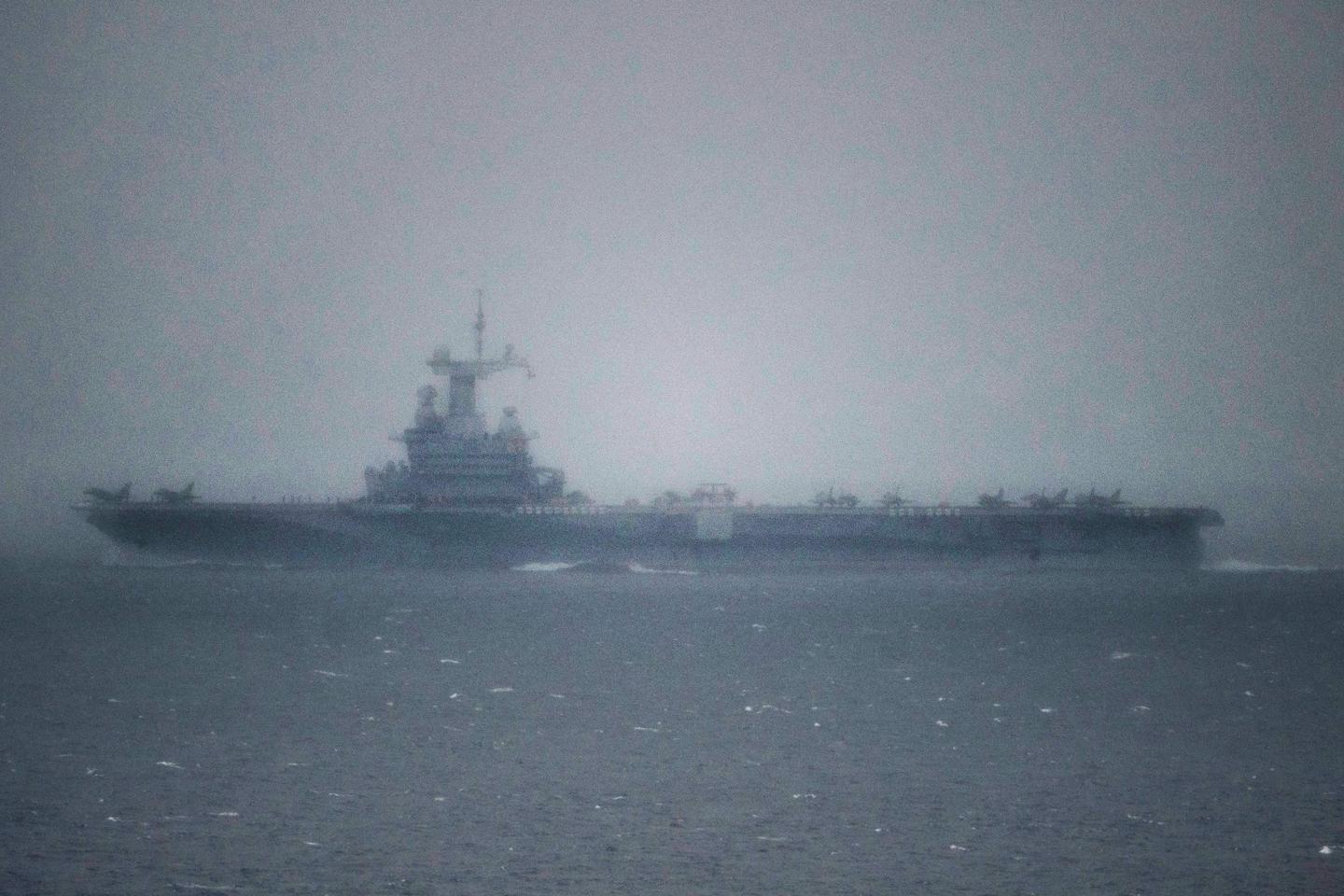
Key event: Iran has closed the Strait of Hormuz and President Trump urged allies to intervene militarily; France declined to lead a military opening, offering only potential naval escorts once the current intense phase ends. Major European partners (Spain, UK, Germany, EU) have publicly refused to be drawn into the conflict, reducing the likelihood of a broad coalition but leaving elevated risks of shipping and energy disruptions that could trigger risk‑off moves across markets.
Closure of a major choke point is a classic supply-chain shock with front-loaded winners (midstream shipping owners, spot tanker rates, P&I insurers) and lagged losers (energy‑intensive transport, just‑in‑time retailers). Expect voyage distances and bunker consumption to rise ~10–30% on affected Persian‑Gulf–to‑Europe/Asia routes, which historically translates into 2–5x spikes in spot VLCC/Suezmax time‑charter equivalents (TCEs) over days–weeks while the market rebalances.
Energy markets will see volatility on two horizons: immediate price spikes in crude and refined products that trade within hours to weeks, and a broader pass‑through into European inflation over 1–3 quarters as higher shipping/insurance costs compound already tight refining and storage dynamics. Mitigants — floating storage, tactical SPR releases, and rapid charter market response — cap the upside in oil but do little to stop persistent transport‑cost inflation that weighs on margins for goods with long supply chains.
Geopolitically, Europe's reluctance to entangle militarily increases the probability that security responses become procurement and capability stories rather than expeditionary operations. That shifts returns from short‑term defense contractors (naval escorts, ASW, ISR payloads) and shipbuilders to multi‑year procurement cycles: expect budget re‑prioritization and multi‑year contracting windows opening in 6–24 months.
Key catalysts to watch: an attack on neutral commercial shipping (days–weeks) which would send freight and insurance rates parabolic; coordinated SPR releases or diplomatic de‑escalation (2–8 weeks) which would materially soften oil spikes; formal EU procurement commitments (3–12 months) that would re‑rate European defense suppliers.
AI-powered research, real-time alerts, and portfolio analytics for institutional investors.
Request DemoOverall Sentiment
mildly negative
Sentiment Score
-0.35
