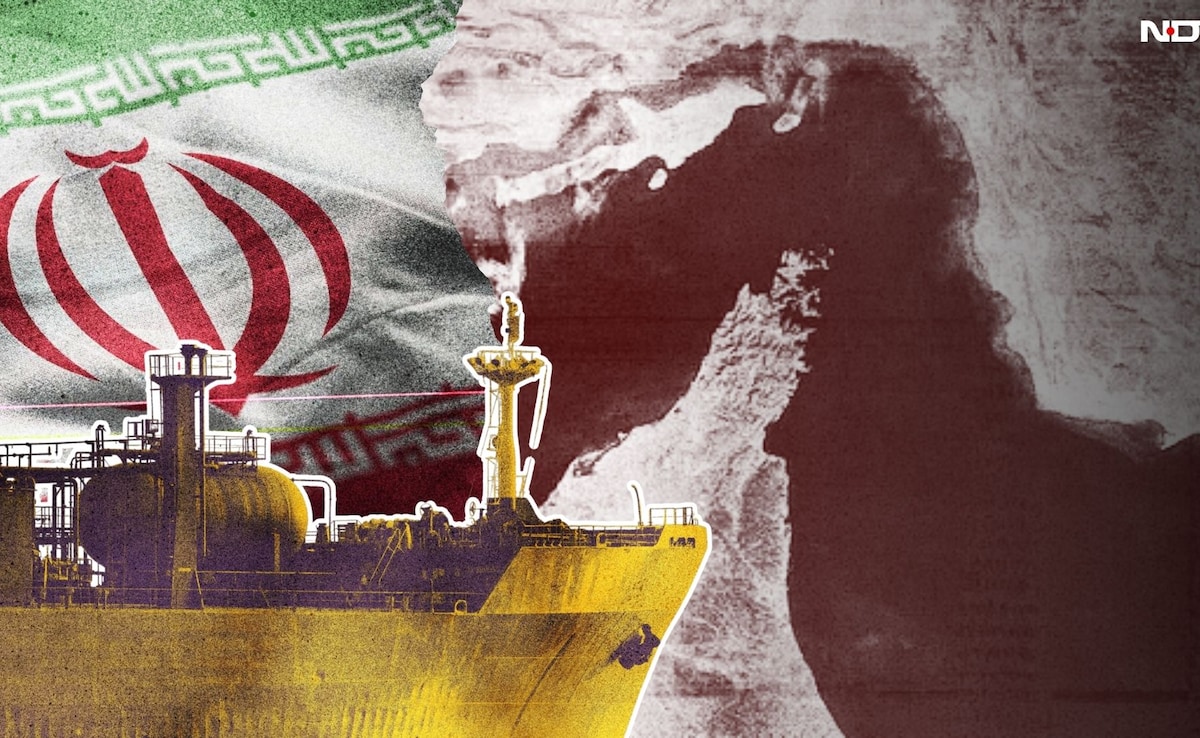
At least two ships transited the Strait of Hormuz on Monday despite a US military blockade that took effect at 1400 GMT, underscoring heightened geopolitical risk around one of the world's most important shipping chokepoints. The events included the Liberian bulk carrier Christianna, the Comoros tanker Elpis carrying 31,000 tonnes of methanol, and a Chinese tanker with 31,500 tonnes of methanol bound for Oman. The blockade and threat of force against vessels entering or leaving Iranian ports could disrupt energy and commodity flows and raise shipping risk premiums.
The market is underpricing the difference between a symbolic blockade and a fully enforceable one. Even partial passage through the strait tells you enforcement will be uneven at first, which means the immediate shock is more about insurance, freight, and schedule reliability than outright lost barrels or cargoes. That tends to hit physical traders, refiners with narrow inventory buffers, and shipping companies with Gulf exposure before it shows up in headline energy prices.
Second-order winners are the assets that monetize dislocation rather than direction: crude and product storage, tanker bottlenecks outside the Gulf, and alternative routing through longer-haul lanes. A sustained risk premium would also widen cracks for non-Middle East refiners with secure feedstock, while penalizing petrochemical and methanol buyers that depend on just-in-time imports. The most vulnerable names are firms with thin working capital and high exposure to spot freight, not necessarily upstream producers.
The key catalyst window is days, not months: the next 1-2 weeks will reveal whether this is a hard stop or a negotiated corridor. If traffic normalizes, the trade is mostly volatility compression and a fade in freight and oil; if there is even one interdiction or casualty, the repricing can be fast and nonlinear because insurers and charterers will pull back before governments do. The bigger medium-term risk is that market participants treat the corridor as functionally open until a sudden enforcement escalation forces a jump in rates and inventories.
Consensus may be too focused on crude up and shipping down. In practice, the first P&L impact is likely to land in marine insurance, tanker utilization outside the Gulf, and regional industrials with imported feedstock exposure, while upstream oil may lag if traders assume diplomacy will restore flow. That makes this a better relative-value event than a pure directional oil call at current levels.
AI-powered research, real-time alerts, and portfolio analytics for institutional investors.
Request TrialOverall Sentiment
strongly negative
Sentiment Score
-0.70
