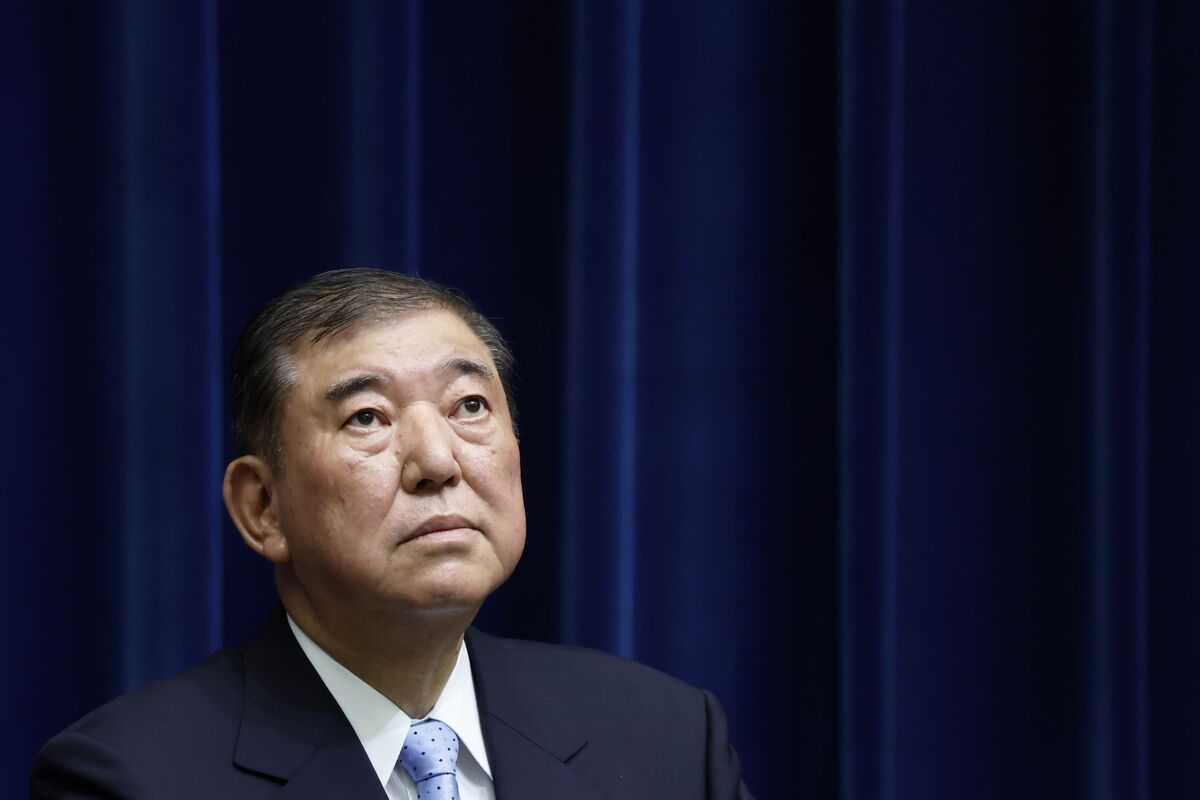
Japanese Prime Minister Shigeru Ishiba asserted that US-Japan trade negotiations are progressing "steadily but undoubtedly" across a wide range of issues, including non-tariff barriers, despite market doubts. His remarks come as a deadline for a potential 24% tariff looms, underscoring the ongoing efforts to secure a comprehensive trade agreement.
Japanese Prime Minister Shigeru Ishiba has issued a deliberately optimistic statement to counter market concerns over the perceived lack of progress in trade negotiations with the United States. His assertion that talks are "steadily but undoubtedly moving forward" across a range of issues, including non-tariff barriers, is a direct attempt to manage sentiment ahead of a looming deadline for a potential 24% across-the-board tariff. While the tone is positive, the situation carries significant binary risk. The market's reaction, reflected in a moderate impact score, suggests investors acknowledge the Prime Minister's comments but remain cautious, weighing the optimistic political rhetoric against the substantial economic threat posed by the tariffs should a deal not materialize. The focus on non-tariff barriers indicates the complexity and breadth of the negotiations, which could prolong uncertainty.
AI-powered research, real-time alerts, and portfolio analytics for institutional investors.
Request DemoOverall Sentiment
mildly positive
Sentiment Score
0.15
