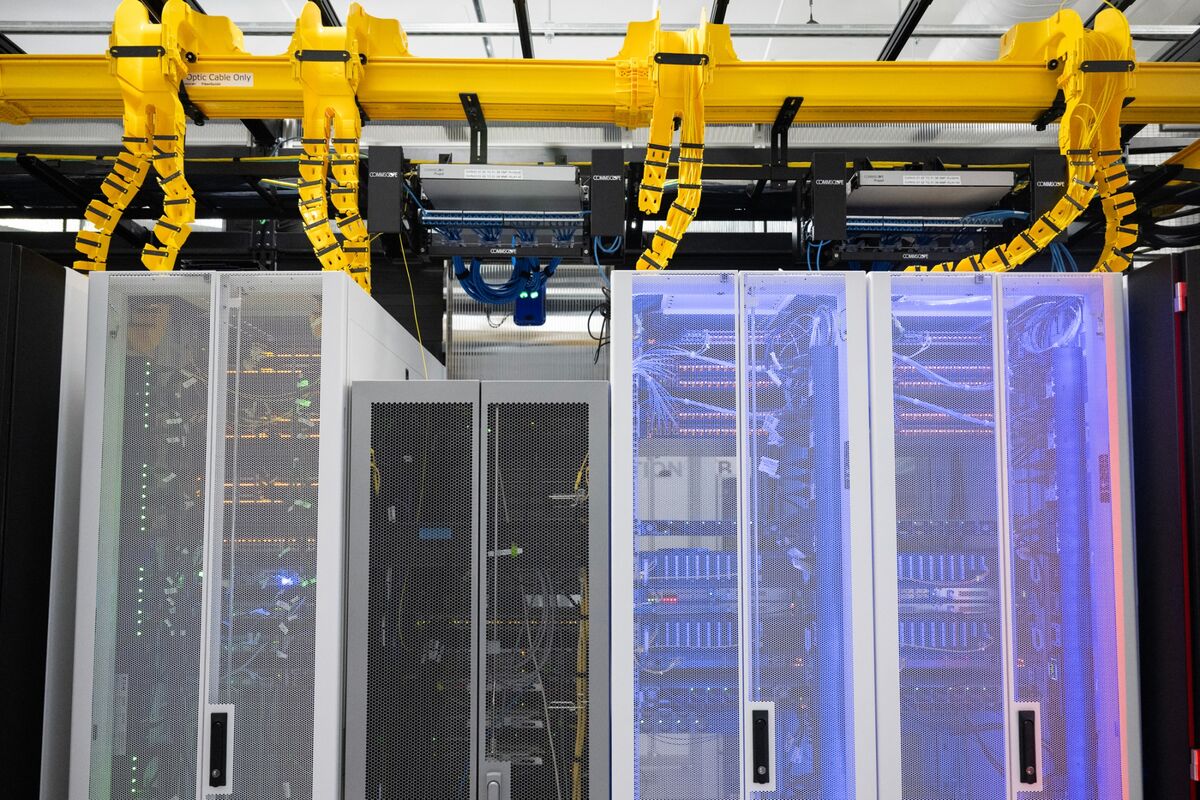
Princeton says adoption of flexible power solutions is accelerating data‑center projects by reducing reliance on lengthy grid upgrades, shortening build timelines and lowering upfront infrastructure requirements. That dynamic can unlock faster capex deployment for hyperscalers and colocation providers, relieve power constraints in tight markets and shift procurement toward modular and renewable-backed generation — a development utilities, energy suppliers and infrastructure investors should monitor for potential project timing and contracting implications.
Market structure: Flexible power enabling faster data‑center builds disproportionately helps data‑center REITs and hyperscalers (Digital Realty DLR, Equinix EQIX, AMZN/MSFT) and the fast‑build stack — battery/inverter integrators (AES, ENPH) and battery‑metal miners (ALB, LAC). Incumbent baseload and peaker generators (small thermal generators, coal miners) lose utilization and pricing power as marginal capacity becomes more flexible; expect upward pressure on lithium/copper prices and higher capex needs for new projects.
Risk assessment: Tail risks include FERC/ISO interconnection reforms, local permitting pushback and battery supply shortages that could raise capex 10–30% and delay projects 6–18 months. Timewise, expect immediate market re‑rating in small caps (days–weeks), contract rollouts and supplier order flow changes in months, and wholesale price/capacity impacts over 2–5 years. Hidden dependencies: skilled installers, transformer capacity and interconnection queue rules; catalysts that accelerate adoption include corporate PPA announcements and new tax incentives within 90–180 days.
Trade implications: Tactical longs: overweight DLR/EQIX (data‑center IRR uplift), AES/ENPH (storage/inverter demand) and ALB/FCX (materials) using 6–12 month call spreads to limit cash; tactical shorts: selective natural‑gas E&P/peaker exposure (EQT) via 9–12 month puts if Henry Hub weakens < $3.00/MMBtu. Rotate into infrastructure/tech infra and away from thermal generation; size initial positions 1–3% of portfolio and stagger entries over 4–8 weeks.
Contrarian angles: Consensus underestimates interconnection bottlenecks and the likelihood that rising material costs will compress returns — meaning storage vendors may suffer margin squeeze even as volumes rise. Historical parallel: rooftop solar adoption triggered utility rate fights and clawbacks; an analogous regulatory or tariff response could cap upside for REITs and suppliers. Set hard stop losses (≈15%) and re‑assess if lithium/copper prices rise >25% faster than project timelines.
AI-powered research, real-time alerts, and portfolio analytics for institutional investors.
Request DemoOverall Sentiment
mildly positive
Sentiment Score
0.28
