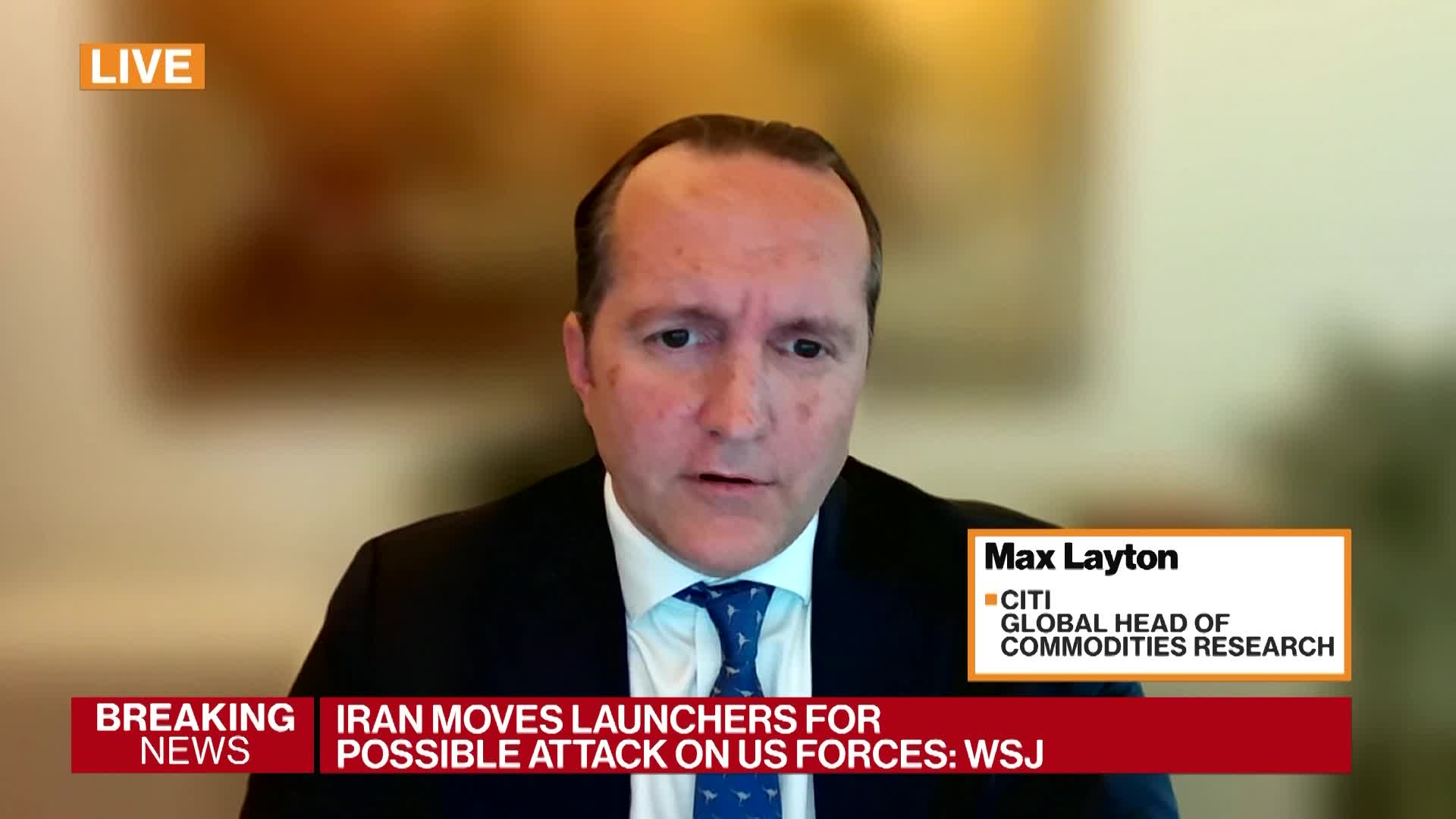
Energy markets are closely monitoring Iran's threats to close a critical waterway, which could significantly impact oil prices. However, Citi Global Head of Commodities Research Max Layton believes any resulting market disruption will be short-lived, as stated on Bloomberg Markets.
Energy markets are currently pricing in heightened geopolitical risk as Iran threatens to close a critical waterway, a move that would directly impact oil supply and likely trigger a price surge. However, the prevailing institutional view, as articulated by Citigroup's Global Head of Commodities Research, Max Layton, is that any such disruption will be 'short lived'. This specific forecast, highlighted on Bloomberg, introduces a counter-narrative to a purely bearish supply shock scenario. The market's 'mildly positive' sentiment signal (0.2) appears to be influenced by this optimistic take from a major research house, suggesting that while a near-term price spike is a distinct possibility, investors are weighing the probability of a swift resolution or limited impact, preventing a more severe market reaction.
AI-powered research, real-time alerts, and portfolio analytics for institutional investors.
Request DemoOverall Sentiment
mildly positive
Sentiment Score
0.20
Ticker Sentiment
