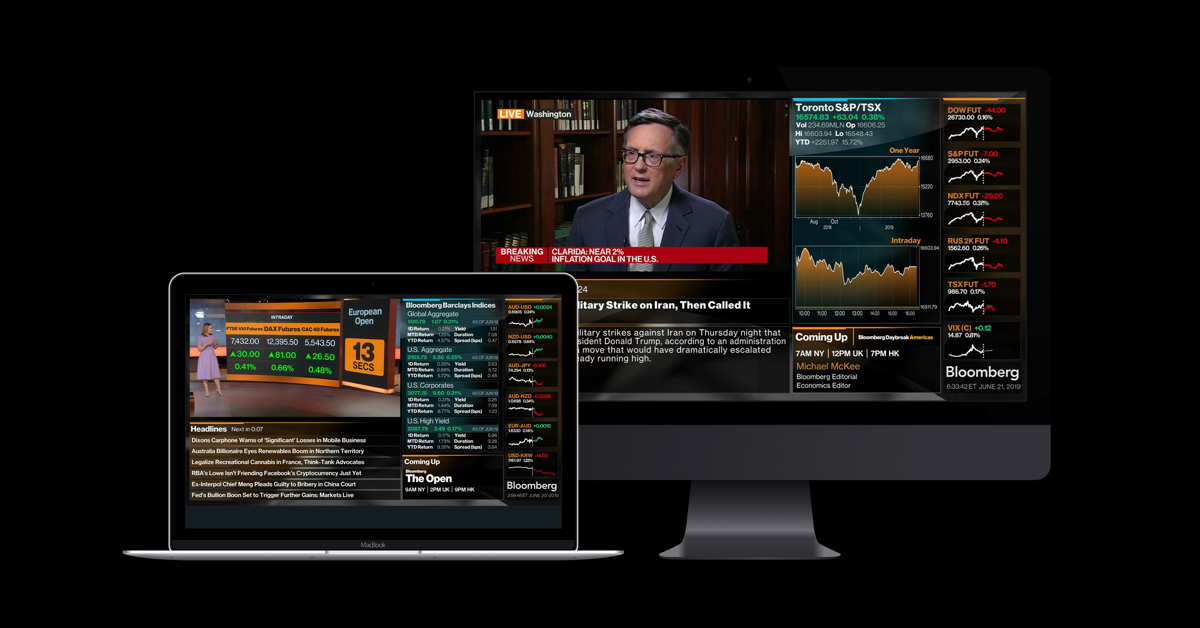
Bloomberg reports that U.S. consumer sentiment unexpectedly fell in May, according to the University of Michigan's survey, dropping to 67.4 from April's 77.2 and missing expectations of 76, signaling potential concerns about the economic outlook. The decline, driven by worries about inflation and the labor market, could impact consumer spending and corporate earnings in the coming months, warranting close monitoring by investors.
U.S. consumer sentiment experienced an unexpected and significant decline in May, with the University of Michigan's survey indicating a drop to 67.4 from April's 77.2, substantially missing the consensus expectation of 76. This marked deterioration in sentiment is attributed to heightened worries among consumers regarding inflation and the state of the labor market. Such a sharp fall in a key leading indicator like consumer sentiment is noteworthy as it signals potential headwinds for future consumer spending, which is a primary driver of U.S. economic activity. A sustained period of depressed consumer confidence could translate into reduced discretionary expenditures, thereby posing a risk to corporate revenues and earnings, particularly for businesses in consumer-facing sectors, and warrants close observation in the upcoming months.
AI-powered research, real-time alerts, and portfolio analytics for institutional investors.
Request DemoOverall Sentiment
neutral
Sentiment Score
0.00
