
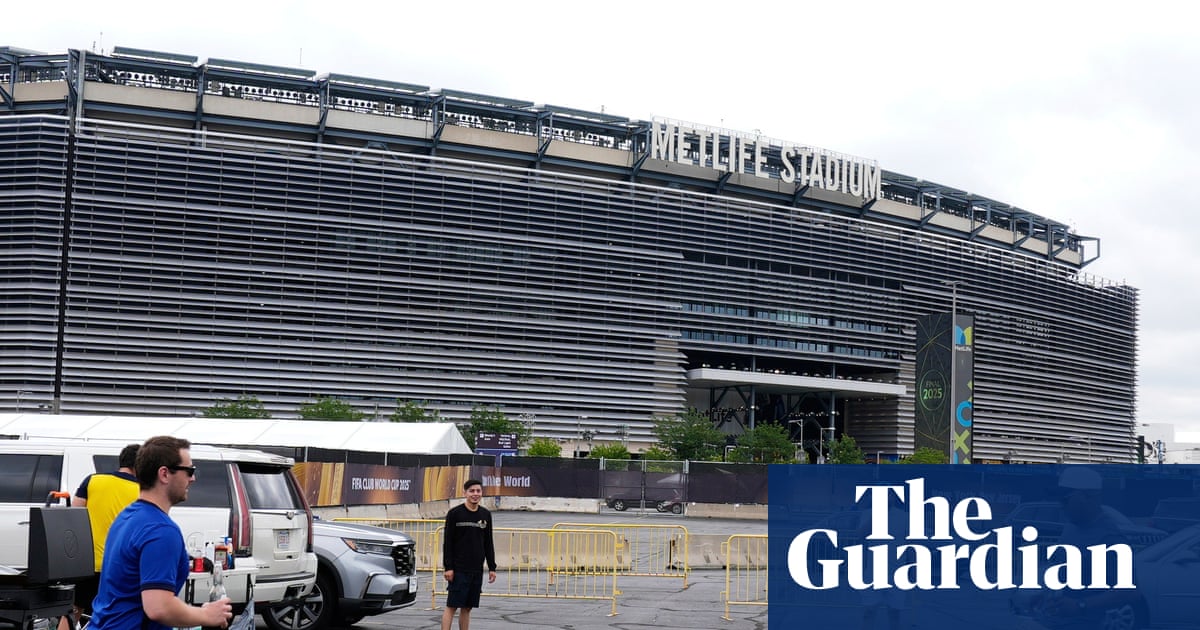
NJ Transit will charge $150 for a round-trip World Cup ticket from Penn Station to MetLife Stadium, up from the typical $12.90 fare, while limited premium parking is priced at $225 and bus service at $80. The plan is designed to cover an estimated $48m transportation cost for about 40,000 fans per match, but it has sparked criticism over affordability and commuter disruption. Regular riders will get free PATH and bus alternatives on affected days, limiting broader market impact.
The key market read-through is not the headline fare increase itself, but the optics of demand elasticity colliding with a captive-venue model. When access costs approach a meaningful fraction of event tickets, organizers will keep pushing the burden onto attendees rather than the transit system, and that creates a repeatable template for future large-scale events: monetize friction where the user has no substitute. For PATH, the secondary effect is potentially positive if riders substitute away from NJ Transit on match days, but that benefit is capped because the route restrictions and security controls make the entire corridor less commuter-friendly in the near term.
The bigger risk is operational spillover into weekdays. Four weekday matches means the system is not just handling a one-off leisure surge; it is forced to carve out capacity from a normal commuter asset, which can create a short-lived but visible service-quality hit for regular riders. That is the kind of local political externality that can reprice public transit equities indirectly: if reliability suffers, policymakers are more likely to push subsidies or service guarantees later, while management may face pressure to absorb costs rather than preserve pricing discipline.
From a second-order perspective, the move reinforces that major-event transportation is now being priced like premium logistics, not public infrastructure. That is supportive for assets that control last-mile access, shuttle/bus operators, and parking-adjacent real estate, while it is negative for discretionary attendance and any sponsor activation tied to foot traffic. The consensus may be underestimating how much this suppresses late-ticket demand at the margin, especially for lower-value attendees and families, which could feed back into weaker secondary-market liquidity and lower local spend than hosts initially modeled.
AI-powered research, real-time alerts, and portfolio analytics for institutional investors.
Request TrialOverall Sentiment
mildly negative
Sentiment Score
-0.25
Ticker Sentiment
