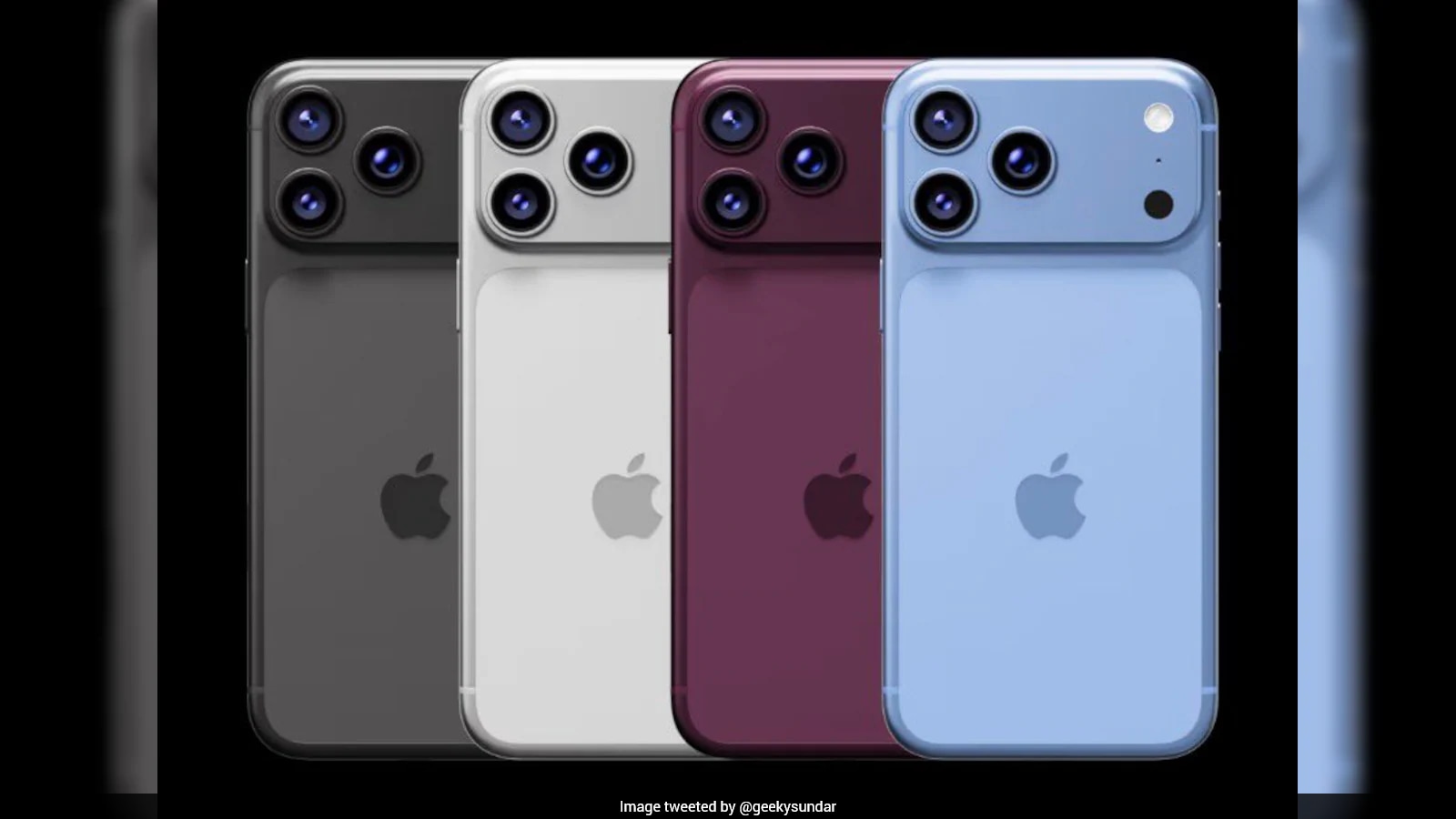
Apple’s iPhone 18 Pro lineup is reportedly set for a September 2026 launch with new color options led by Dark Cherry, alongside Light Blue, Dark Gray and Silver. Leaks also point to subtle design tweaks, a smaller Dynamic Island, a 48MP front camera, and an A20 Pro chip on a 2nm process, but authenticity remains unverified. The article is mostly speculative and unlikely to move markets meaningfully on its own.
This reads less like a product-cycle surprise and more like Apple trying to reassert pricing power through segmentation. A new premium colorway plus small industrial refinements matter because they help sustain upgrade intent even when functional spec deltas are incremental; that supports mix, not just unit volume. The key second-order effect is on ASP resilience: if Apple can make the Pro tier feel meaningfully distinct, it can defend premium attach rates without needing a breakout hardware leap.
The likely winners are suppliers tied to enclosures, coatings, display cover materials, and camera modules rather than chip vendors. Any shift toward darker, richer finishes and tighter tolerances tends to favor higher-spec finishing processes and tighter quality control, which can lift content per device for a small subset of the supply chain. The loser is the broader Android premium cohort: Apple’s ability to manufacture “generation-specific desirability” keeps the top end of the market psychologically anchored to the iPhone, making it harder for competitors to win share purely on specs.
The contrarian view is that this is more defensive than bullish. A two-year absence of a true black option suggests Apple is prioritizing differentiation over broadest-possible appeal, which can sharpen upgrade urgency among enthusiasts but risks narrowing the addressable premium buyer set if consumers perceive colors as gimmicky. For the stock, the catalyst path is more gradual: any real re-acceleration would show up over the September launch window and into holiday mix, not on leak headlines. Near term, the setup is better for suppliers and accessory players than for outright AAPL upside.
Tail risk is that the market has already priced a premium-refresh cycle, leaving little room for disappointment if hardware changes land as mere iteration. A leak-driven run-up can reverse quickly if final launch units look underwhelming or if channel checks suggest weaker preorders versus the prior cycle. Over a 3-6 month horizon, the bigger question is whether this cycle lifts mix enough to offset maturing upgrade rates; if not, the color strategy becomes noise rather than a durable growth lever.
AI-powered research, real-time alerts, and portfolio analytics for institutional investors.
Request DemoOverall Sentiment
neutral
Sentiment Score
0.10
Ticker Sentiment
