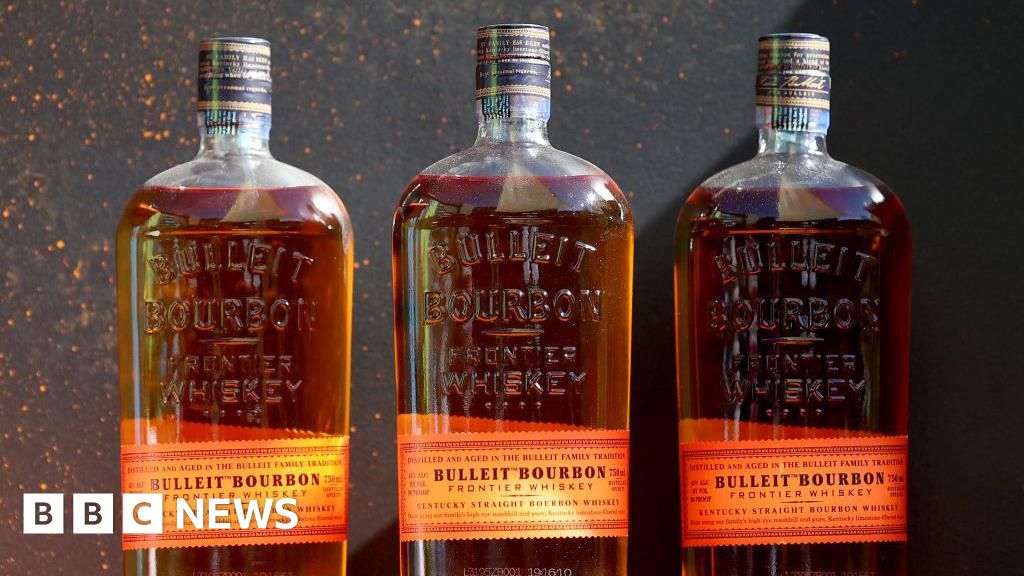
Kentucky bourbon, which experienced a significant boom with 7% sales growth from 2011-2020 driven by post-recession rediscovery and a collectible market, is now facing a sharp downturn. Sales growth has slowed dramatically to 2% (2021-2024) due to a confluence of factors including pandemic-induced bar closures, inflation shifting consumer preferences, and declining consumption among younger generations. Crucially, retaliatory tariffs from the EU and Canada's cessation of imports, impacting 10% of Kentucky's $9 billion whiskey business, are exacerbating pressures, leading to notable sales declines for major brands (e.g., Bulleit -7.3%, Wild Turkey -8.1%), bankruptcies, and anticipated market consolidation as the industry grapples with oversupply and economic headwinds.
The Kentucky bourbon industry is undergoing a significant downturn, transitioning from a robust 7% worldwide sales growth period between 2011-2020 to a sharp deceleration with only 2% growth from 2021-2024. This slowdown is driven by a confluence of negative factors, including shifting consumer behavior post-pandemic, inflationary pressures redirecting discretionary spending, and lower alcohol consumption among younger demographics. Compounding these demand-side issues are severe trade headwinds; retaliatory tariffs from the EU are a looming threat, while the cessation of imports by Canadian provinces directly removes 10% of the industry's $9 billion market. The impact is already evident in corporate performance, with Diageo's Bulleit sales declining 7.3% and Campari's Wild Turkey down 8.1%. The distress is also manifesting in industry restructuring, evidenced by bankruptcies such as LMD Holdings and Garrard County Distilling, and facility closures like a Jack Daniel's barrel plant. The market is further burdened by an oversupply, a consequence of production decisions made during the boom years, which is now exacerbating price pressure. Expert consensus suggests this correction is not over, with expectations of further bankruptcies and consolidation.
AI-powered research, real-time alerts, and portfolio analytics for institutional investors.
Overall Sentiment
strongly negative
Sentiment Score
-0.70
Ticker Sentiment
