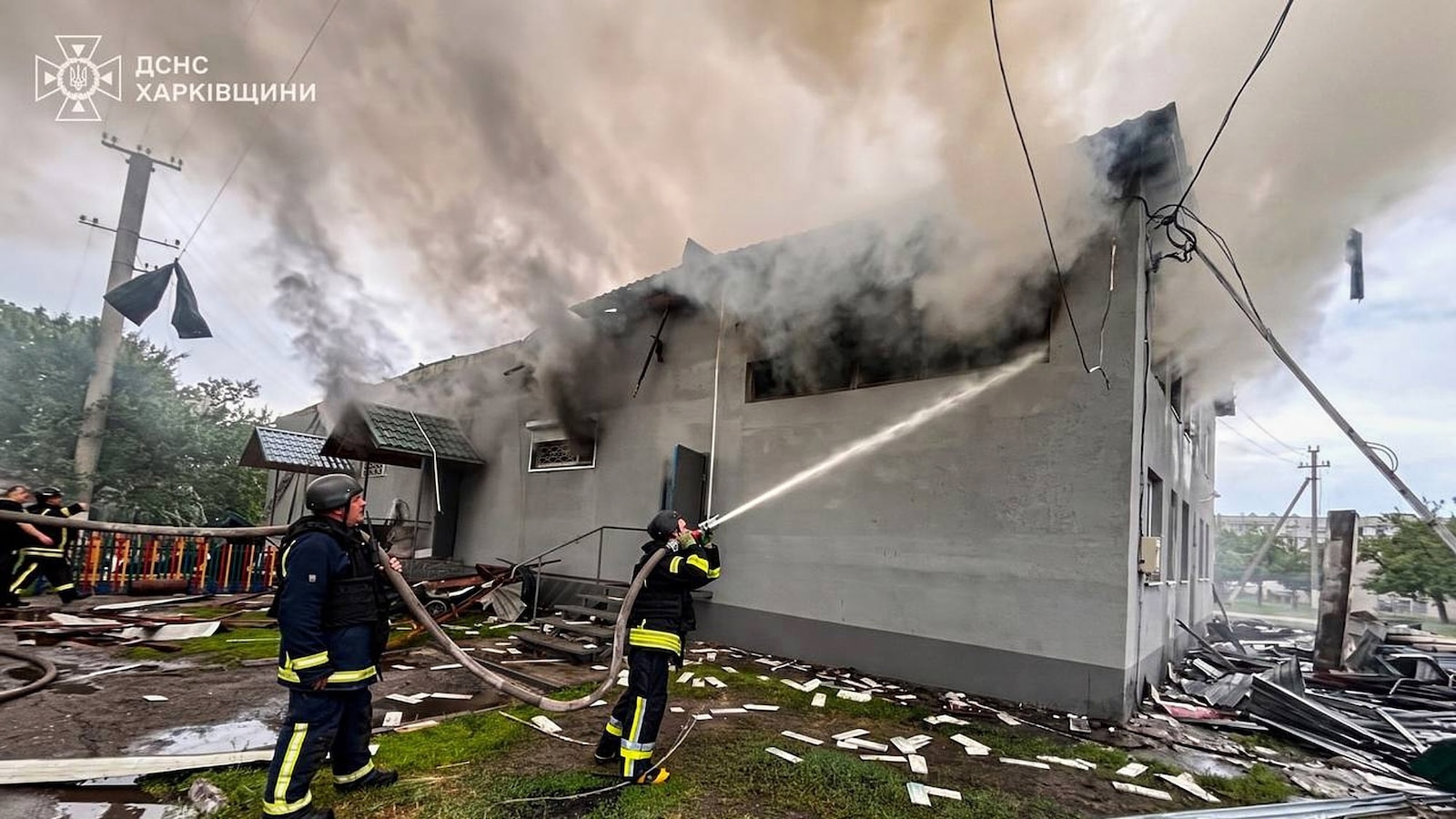
Ukraine said it is verifying intelligence from the U.S. and European partners that Russia may be preparing to use an Oreshnik hypersonic ballistic missile, after the U.S. Embassy in Kyiv warned of a potentially significant air attack within 24 hours. The report points to an elevated risk of escalation in the Russia-Ukraine war and renewed pressure on regional defense and risk assets. Ukraine says it is bolstering air defenses and will respond to any Russian strike.
This is a near-term volatility catalyst more than a regime change, but it matters because hypersonic or quasi-hypersonic use in theater raises the perceived ceiling on escalation while doing little to improve Russia’s underlying force economics. The market implication is a short-lived lift in risk aversion across European cyclicals, Eastern Europe-sensitive assets, and any shipping/industrial exposures tied to Black Sea or regional logistics, with the highest sensitivity over the next 24-72 hours as headline risk peaks.
The second-order effect is on defense procurement urgency, not just Ukraine support. Any demonstration that existing air defenses are structurally mismatched against faster glide or ballistic profiles should tighten the political case for layered interception systems, counter-drone EW, and stockpiling of interceptors, which benefits U.S. and European prime contractors with missile-defense exposure more than platform-only names. The constraint is production capacity: firms with bottlenecks in seekers, solid rocket motors, and advanced guidance could see duration of demand extend into 2026-27.
A useful contrarian view is that markets may overread every escalation headline as immediately investable, when in reality the main earnings impact is deferred into backlog and appropriations. The better trade is not broad defense beta, but a basket centered on munitions, air/missile defense, and battlefield sensing where each incremental escalation improves order visibility and pricing power. If there is a de-escalatory diplomatic response or a demonstrably ineffective strike, the headline premium can fade quickly, but procurement momentum should remain intact for months.
AI-powered research, real-time alerts, and portfolio analytics for institutional investors.
Request DemoOverall Sentiment
strongly negative
Sentiment Score
-0.65
