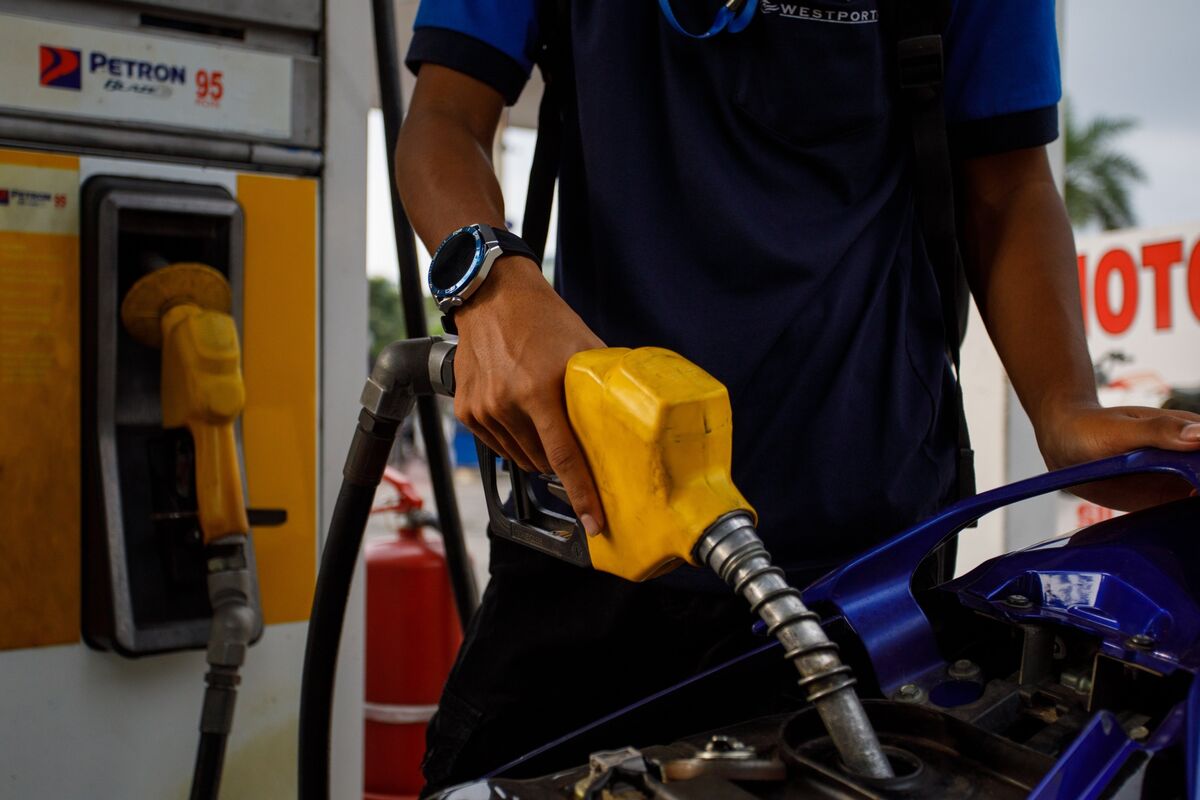
Malaysia will implement targeted petrol subsidies for its popular RON95 fuel by end-September, effective September 30, as part of efforts to narrow its budget deficit. Under the new policy, foreigners will pay 2.60 ringgit per liter, while Malaysians will see their price reduced to 1.99 ringgit per liter, marking a significant fiscal reform with differentiated pricing for consumers.
Malaysia is undertaking a notable fiscal reform by restructuring its RON95 petrol subsidies, effective September 30, a move explicitly designed to narrow the national budget deficit. The new policy introduces a dual-pricing mechanism, where foreigners will be charged 2.60 ringgit per liter, while Malaysian citizens will benefit from a slightly reduced subsidized price of 1.99 ringgit, down from 2.05 ringgit. This targeted approach represents a critical step towards fiscal consolidation, reducing government expenditure by eliminating subsidies for non-citizens. The reform is structured to be politically palatable domestically while signaling a commitment to fiscal discipline to international markets, a key consideration for investors in emerging market sovereign assets, as reflected by the moderately positive sentiment and market impact score.
AI-powered research, real-time alerts, and portfolio analytics for institutional investors.
Request DemoOverall Sentiment
moderately positive
Sentiment Score
0.50
